
Guides & Resources
Trust Tax Changes in Australia: What Small Business Owners Need to Know
Learn how Australia's proposed 30% trust tax from 2028
Could affect small businesses, distributions, structures and future tax planning.

Discretionary trusts have long been used by Australian business owners and investors for legitimate reasons such as flexibility, succession planning and asset protection. However, proposed changes to Australia’s tax system could significantly change how some discretionary trusts are taxed from 1 July 2028.
The Australian Government has proposed introducing a 30% minimum tax on discretionary trusts, with the trustee responsible for paying the tax. The Government says the reform is intended to bring the tax treatment of trust income more closely into line with the tax rates paid by workers and families earning income from employment.
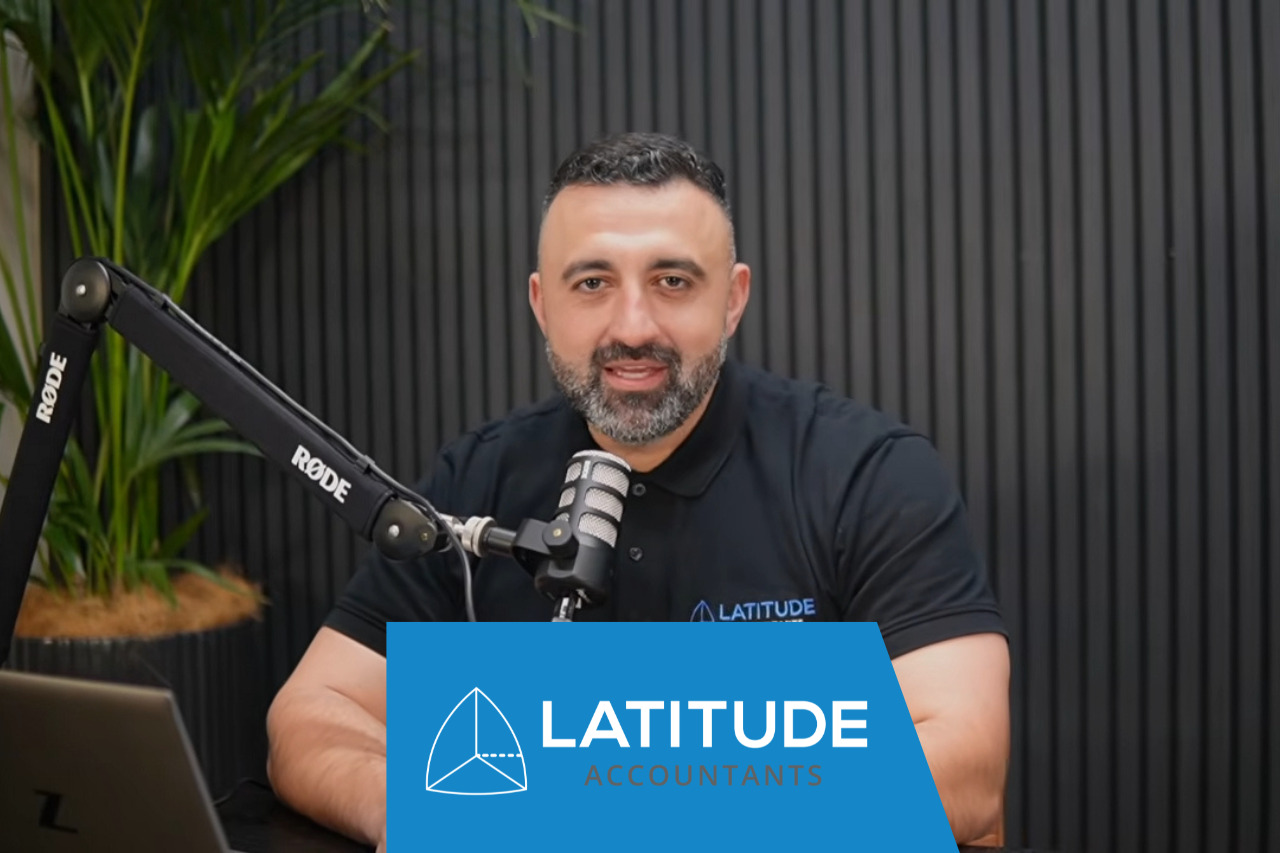
The issue was also discussed by Latitude Accountants CEO John Saade in The CEO Breakdown. John highlighted the potential impact on small businesses operating through trusts and the difficult decision some owners may face if they consider moving to another business structure.
For business owners, the important point is that a trust structure should not simply be changed because of a headline tax announcement. The potential tax, CGT, stamp duty and commercial consequences need to be considered first.
What Is the Proposed 30% Trust Tax?
Under the proposed reforms, a minimum tax rate of 30% would apply to taxable income of discretionary trusts from 1 July 2028, subject to specified exceptions. The trustee would pay the tax because the trustee controls the distributions made by the trust.
Beneficiaries would still need to declare their trust distributions. Under the proposed design, beneficiaries other than corporate beneficiaries would receive non-refundable credits for tax paid by the trustee.
The Government’s stated objective is to make the tax system more consistent by reducing opportunities for discretionary trust income to be taxed at rates below those that would generally apply to wage and salary income.
However, this does not mean that every Australian business using a trust will automatically pay more tax.
Treasury estimates that more than 90% of Australia’s 2.7 million active businesses are not expected to be affected by the minimum tax in any given year.

Why Are Small Business Owners Concerned?
The proposed changes could be particularly relevant to business owners who have historically relied on the flexibility of discretionary trusts when distributing income among beneficiaries.
A discretionary trust may allow income to be distributed between eligible beneficiaries in different proportions, depending on the circumstances and the trust deed.
For a small business owner, the structure may also have been established for reasons beyond tax, including:
- Asset protection
- Succession planning
- Family wealth management
- Business ownership
- Flexibility in distributing income
- Long-term estate planning
The proposed reforms do not remove the ability to use discretionary trusts for legitimate purposes. However, they could change the tax consequences associated with distributing income through those structures.
That is why business owners should consider the overall purpose of their structure rather than looking only at the tax rate.
When Will the Trust Tax Changes Start?
The proposed minimum tax is scheduled to begin on 1 July 2028.
This gives affected businesses time to understand the proposed rules and assess whether their existing structure remains appropriate.
The Government is also proposing expanded rollover relief for three tax years from 1 July 2027 to support businesses and individuals who decide to restructure out of discretionary trusts.
This transition period could be important for small business owners who determine that another structure better suits their circumstances.
However, restructuring is not necessarily straightforward.
Could Moving Out of a Trust Create Other Tax Costs?
Yes.
This is one of the major issues John Saade raises in the CEO Breakdown discussion.
Changing a business structure can involve transferring assets from one entity or structure to another. Depending on what the business owns and where it operates, that transfer may create tax and transaction costs.
Potential issues can include:
- Capital Gains Tax
- Stamp duty
- Legal costs
- Accounting costs
- Asset-transfer costs
- Financing implications
- Changes to asset protection
- Changes to succession arrangements
The Federal Government has proposed rollover relief to help businesses restructure in response to the reforms. However, state-based taxes such as stamp duty are a separate consideration and may not automatically receive equivalent relief.
Recent reporting has highlighted the potential for significant state-based stamp duty costs when businesses transfer assets out of discretionary trusts.
This is why restructuring should not be treated as simply changing the name on a business structure.
Should Your Business Move From a Trust to a Company?
For some businesses, a company may become an attractive alternative.
A company structure can provide different tax and commercial characteristics, including a separate legal entity and potentially different tax treatment.
But there is no universal answer.
Before moving from a trust to a company, business owners should consider:
Tax Implications
Compare the expected tax outcome under the existing trust structure with the potential tax treatment under a company.
Capital Gains Tax
Transferring an existing business or investment assets can have CGT implications, depending on the circumstances and whether relevant rollover relief applies.
Stamp Duty
If land or other dutiable property is transferred, state or territory stamp duty may become a significant consideration.
Asset Protection
The existing structure may have been established partly for asset-protection purposes. Changing it could alter those protections.
Succession Planning
A restructure may also affect how ownership and control are transferred to the next generation.
The cheapest structure from a tax perspective is not necessarily the best structure for the business.
What Types of Trusts Are Exempt?
The proposed 30% minimum tax is specifically targeted at discretionary trusts, with a number of exceptions.
Treasury states that other types of trusts, including fixed trusts, are excluded. Primary production income is also exempt under the proposed framework.
The Government has also announced exclusions for certain other arrangements, including genuine testamentary trusts and certain exempt entities.
Because the rules are still being implemented and consulted on, business owners should avoid assuming that a particular trust is either affected or exempt without having the structure reviewed.
What Should Small Business Owners Do Now?
The proposed start date is still some time away, giving business owners an opportunity to prepare rather than react.
1. Understand Why Your Trust Exists
Start by identifying the original reasons the trust was established.
Was it primarily for:
- Business ownership?
- Asset protection?
- Income distribution?
- Succession planning?
- Investment ownership?
- Family wealth management?
Understanding the original purpose makes it easier to determine whether the structure remains appropriate.
2. Review Your Trust’s Distributions
Look at how the trust has distributed income in previous years.
Consider whether the proposed minimum tax could materially change your future tax position.
3. Identify the Assets Held by the Trust
Create a complete list of trust assets, including:
- Business interests
- Property
- Investments
- Cash
- Other significant assets
This becomes particularly important if restructuring is being considered.
4. Model Different Structures
Rather than immediately moving to a company, compare the potential outcomes of different structures.
Depending on the circumstances, alternatives could include:
- Continuing with the discretionary trust
- Restructuring to a company
- Considering a fixed trust
- Reviewing other appropriate ownership structures
Each option needs to be assessed individually.
5. Consider State-Based Costs
If the trust owns property or other dutiable assets, obtain advice about the potential stamp duty consequences before transferring anything.
A restructure that appears attractive from a federal income-tax perspective could become significantly more expensive once state taxes and transaction costs are included.
Why You Shouldn’t Restructure Too Quickly
The proposed trust tax rules are still being implemented.
Treasury released a consultation paper in July 2026 seeking feedback on the implementation of the minimum tax, including the treatment of distributions, rollover relief and other technical matters.
That means business owners should be careful about making major structural decisions based solely on early announcements.
Instead, use this period to:
- Understand the proposed rules
- Review your current structure
- Calculate potential outcomes
- Identify assets that could create transfer costs
- Discuss alternatives with your accountant
- Monitor the final legislation
Good tax planning is not necessarily about acting first. Sometimes it is about having the information necessary to act at the right time.
How Latitude Accountants Can Help
The proposed trust tax changes demonstrate why business structure should be reviewed periodically.
At Latitude Accountants, the focus is not simply on preparing tax returns. The Latitude Way is built around proactive advice, practical outcomes and helping business owners make informed decisions throughout the year.
For businesses operating through discretionary trusts, a review can help identify:
- How the proposed 30% minimum tax could affect the business
- Whether the existing structure remains appropriate
- Potential restructuring options
- Potential CGT consequences
- Potential stamp duty considerations
- Longer-term succession and asset-protection implications
The goal is not to automatically move every business out of a trust. It is to determine what structure makes the most sense for your individual circumstances.

Frequently Asked Questions About Trust Tax Changes in Australia
When does the proposed 30% trust tax start?
The proposed minimum tax on discretionary trusts is scheduled to apply from 1 July 2028.
Will every trust be subject to the 30% minimum tax?
No. The proposal specifically targets discretionary trusts and includes exemptions for certain other trust types and income. Fixed trusts and primary production income are among the stated exclusions.
Does the proposed change mean I should move my business out of a trust?
Not necessarily. The right structure depends on your business, assets, tax position, succession objectives and other circumstances. Restructuring can also create CGT, stamp duty and other costs.
Can I restructure my business before the new rules begin?
The Government has proposed expanded rollover relief for three tax years beginning 1 July 2027 to support businesses and individuals who choose to restructure out of discretionary trusts.
Could stamp duty apply if I move assets out of my trust?
Potentially. Stamp duty is imposed under state and territory laws, so the consequences depend on the assets being transferred and the relevant jurisdiction. The Federal Government’s proposed rollover relief does not automatically mean state stamp duty will be eliminated.
Should I wait before making changes to my trust?
For many business owners, it may be sensible to understand the proposed rules and model the options before making major structural changes. The legislation and implementation details should be monitored as they develop.

Talk to Latitude Accountants About Your Business Structure
The proposed 30% minimum tax on discretionary trusts could change the tax-planning considerations for some Australian small businesses from 1 July 2028.
If your business operates through a discretionary trust, now is a good time to understand your options rather than waiting until the changes take effect.
Latitude Accountants
📍 Sydney Olympic Park | Marrickville | Melbourne | Loxton
📞 1300 706 597
📧 info@latitudeaccountants.com.au
Monday to Friday: 9:00 am – 5:30 pm
Disclaimer
This article provides general information only and does not constitute financial, tax, legal or accounting advice. The 30% minimum tax on discretionary trusts is a proposed tax reform, and its final operation may change following consultation and the legislative process. Business owners should obtain professional advice based on their individual circumstances before restructuring a business, transferring assets or making tax-related decisions.
Free Consultation
Got questions after reading this?
Book a call with our team. We'll walk through your situation and help you understand your options — no obligation.
Book Your Free Consultation*Free for all ABN holders · Limited spots available
Call 1300 706 597What We Do
Chartered accountants who work proactively
Not just at tax time — all year round.
Before You Make a Move
Six times you should call us first
Most costly mistakes happen before the paperwork is signed.
Buying a vehicle
Structure, FBT, and depreciation all need to be right before you sign.
Taking money out
Wages, dividends, or drawings each carry different tax consequences.
Buying property
Who buys it changes your GST, land tax, and CGT position entirely.
Hiring your first employee
Payroll, super, and STP obligations kick in from day one.
Buying or selling a business
You can inherit someone else's tax debt. Know what you're buying first.
Taking on a partner
Equity splits need proper structure upfront. A handshake deal costs more to unwind.
Get In Touch
Stop Guessing. Start Making Better Decisions.
Get clarity on your numbers, your structure, and your next move. Speak directly with our team and walk away knowing exactly where you stand.