
Guides & Resources
What Happens When a Business Cannot Pay Its ATO Debt?
Learn what happens when an Australian business cannot pay its ATO debt,
Including payment plans, interest, director penalties and recovery action.

For an Australian business, tax debt can quickly become a serious cash-flow problem. A business may be profitable on paper but still struggle to pay its GST, PAYG withholding, income tax or other ATO obligations when they fall due.
When a business cannot pay the Australian Taxation Office on time, ignoring the debt generally makes the situation more difficult. Interest can continue to accumulate, payment arrangements may be required and, depending on the type of debt and business structure, directors can potentially face personal liability.
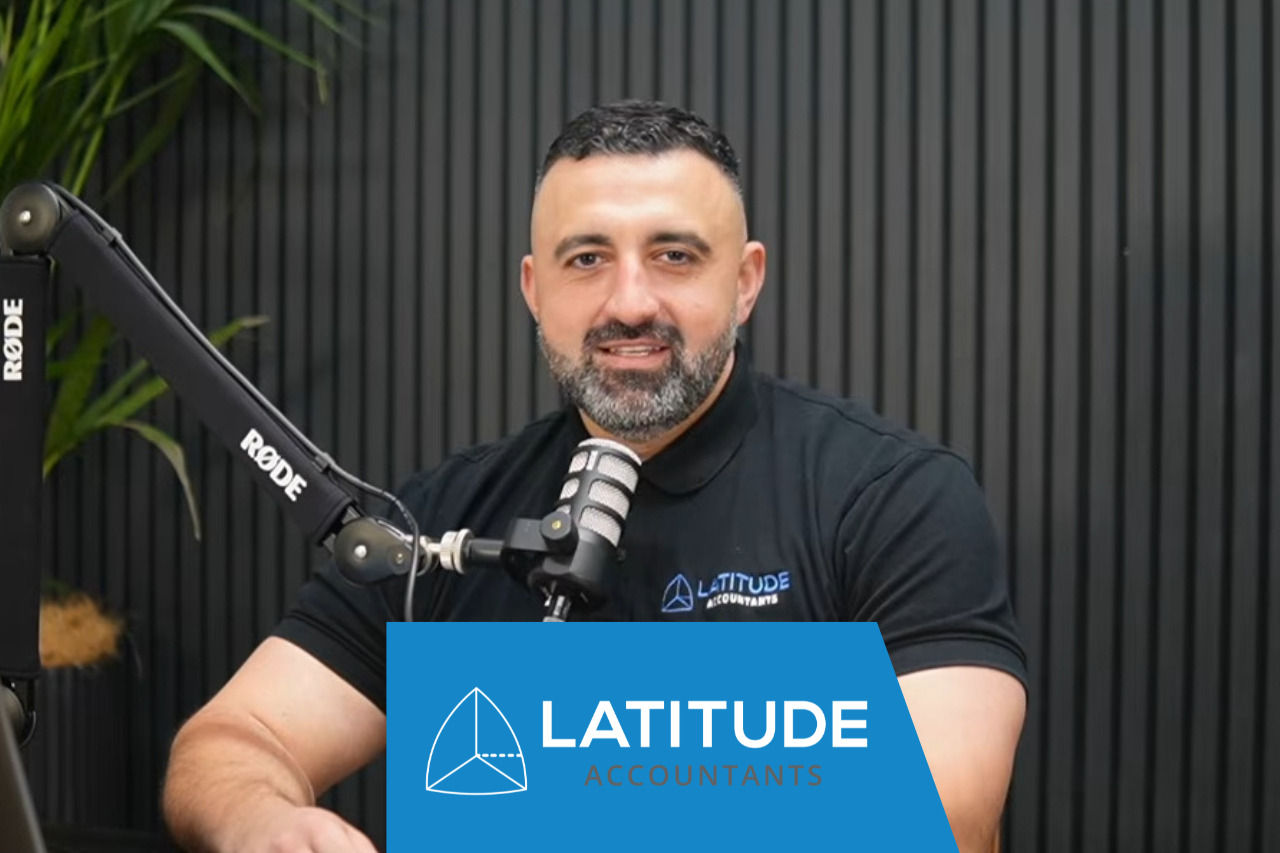
In this episode of The CEO Breakdown, John Saade discusses the significant ATO debt associated with the collapse of property developer Bathla and the broader risks that can arise when businesses struggle to meet their tax obligations.
For Australian business owners, the important lesson is simple: ATO debt should be addressed early rather than allowed to become a larger cash-flow and compliance problem.
What Happens When a Business Cannot Pay the ATO?
If a business cannot pay its tax debt by the due date, the debt does not simply disappear.
The ATO can apply a General Interest Charge (GIC) to unpaid amounts. The ATO states that GIC is automatically added when tax is not paid on time and the debt can continue to grow while it remains unpaid.
Depending on the circumstances, the business may be able to:
- Pay the debt in full.
- Enter into a payment plan.
- Discuss alternative arrangements with the ATO.
- Seek professional advice about its financial position.
- Consider formal restructuring or insolvency options where appropriate.
The appropriate response depends on the size and nature of the debt and the business’s overall financial position.

What Types of ATO Debt Can a Business Owe?
Businesses can accumulate different types of tax and superannuation-related liabilities.
These may include:
- GST
- PAYG withholding
- Company income tax
- PAYG instalments
- Fringe benefits tax
- Superannuation guarantee liabilities
- Other tax-related obligations
A business may also owe several types of debt at the same time.
This is why business owners should regularly review their ATO account rather than focusing only on the amount shown on their latest tax return.
Does ATO Debt Continue to Grow?
Yes.
Unpaid tax debt can attract GIC, which means the cost of carrying the debt can increase over time.
There has also been an important change to the tax treatment of GIC. For interest incurred in income years starting on or after 1 July 2025, GIC is no longer tax deductible. The ATO says this increases the cost of carrying an unpaid tax debt.
This makes it even more important for businesses to consider the cost of leaving tax debt unresolved.
A payment plan may provide breathing room, but it does not stop interest from accruing.
Can a Business Set Up an ATO Payment Plan?
In many cases, yes.
Eligible businesses can arrange a payment plan with the ATO to pay their debt by instalments.
The ATO states that businesses owing $200,000 or less may be able to establish a payment plan through Online Services for Business, through a registered tax or BAS agent, or through the ATO’s automated service. Businesses owing more than $200,000 can contact the ATO to discuss their options.
However, entering a payment plan does not mean the debt becomes interest-free.
GIC continues to accrue on unpaid amounts, so businesses should consider how quickly they can realistically clear the debt.
What Happens If a Business Defaults on a Payment Plan?
A payment plan is not a substitute for ongoing tax compliance.
Businesses generally need to:
- Make scheduled instalments.
- Continue lodging required tax and activity statements.
- Meet new tax obligations by their due dates.
- Maintain sufficient cash flow to meet the agreed arrangement.
If a business misses an instalment or fails to meet another tax obligation, the payment plan can move into arrears and may eventually default. The ATO can provide an opportunity to catch up in some circumstances.
This is why a payment plan should be based on an amount the business can actually afford.
Can Directors Become Personally Liable for ATO Debt?
This is one of the most important issues for company directors.
Certain tax and superannuation liabilities can result in director penalties.
The ATO can issue a Director Penalty Notice (DPN) in relation to eligible debts. If the required action is not taken within the applicable timeframe, the ATO can recover the penalty from the director personally.
This means company directors should not assume that all ATO debt remains solely a company problem.
The rules around director penalties are complex and depend on the type of liability, when it was incurred, whether it was reported on time and other circumstances.
Professional advice should be obtained as soon as director-level exposure becomes a concern.
What About GST and PAYG Withholding?
GST and PAYG withholding require particular attention because businesses may collect or withhold money that ultimately needs to be paid to the ATO.
For example, GST collected from customers is not simply additional business income that can be freely used for other expenses.
Similarly, PAYG withholding amounts deducted from employees’ wages need to be accounted for appropriately.
A business that uses these funds to cover operating expenses can quickly build a significant tax liability.
The ATO specifically recommends setting aside GST, PAYG withholding and superannuation from business cash flow so the funds are available when payment obligations arise.
Why ATO Debt Can Become a Cash-Flow Trap
One of the biggest dangers of tax debt is that it can create a cycle.
For example:
- The business has a cash-flow shortage.
- Tax obligations are not paid on time.
- ATO debt accumulates.
- GIC increases the amount owed.
- The business enters a payment plan.
- New tax obligations become due.
- The business struggles to meet both the payment plan and current obligations.
If the underlying cash-flow problem is not addressed, simply extending the repayment period may not solve the problem.
The business needs to understand why the debt occurred in the first place.
What Should a Business Owner Do If They Cannot Pay?
The worst response is often to ignore the problem.
Instead, business owners should establish exactly how much is owed and why.
Start by reviewing:
- ATO account balances
- Outstanding BAS statements
- Income tax liabilities
- PAYG withholding
- Superannuation obligations
- Existing payment arrangements
- Current business cash flow
- Upcoming tax obligations
- Available cash reserves
Once the full position is understood, the business can determine what options may be available.
Can Business Financing Be Used to Pay ATO Debt?
In some circumstances, businesses may consider external finance to clear tax debt.
However, this decision should not be made simply because another lender is willing to provide funding.
Business owners should compare:
- Interest rates
- Fees
- Repayment terms
- Security requirements
- Cash-flow impact
- Total cost of borrowing
The ATO itself recommends discussing the financial position with an accountant or finance provider to determine whether alternative funding could be appropriate and whether it would carry a lower cost than the ATO debt.
The right solution depends on the business’s overall financial position.
What If the Business Cannot Afford Any Payment Plan?
If the business cannot afford a realistic payment arrangement, this may indicate a deeper financial problem.
At that point, the business owner may need to consider whether the business is experiencing temporary cash-flow pressure or whether it is facing a more serious solvency issue.
Possible professional advice may involve:
- Cash-flow restructuring
- Debt restructuring
- Business restructuring
- Formal insolvency advice
- Negotiations with creditors
- Reviewing the business model
- Assessing whether the business can continue trading
Small business restructuring can provide eligible companies with a formal mechanism for dealing with financial difficulties. The ATO continues to participate in these restructuring processes.
The earlier professional advice is obtained, the more options may be available.
How Can Businesses Prevent Large ATO Debts?
Prevention is generally easier than dealing with a large accumulated tax liability.
Businesses can improve tax cash-flow management by:
- Setting aside GST and PAYG amounts.
- Reviewing cash flow regularly.
- Keeping bookkeeping up to date.
- Lodging BAS and tax returns on time.
- Monitoring ATO account balances.
- Forecasting upcoming tax obligations.
- Avoiding using tax money to fund unrelated expenses.
- Speaking with an accountant before a cash-flow problem becomes critical.
The ATO is also developing changes to PAYG instalments that are intended to help businesses adjust instalments more closely to current business conditions. Proposed changes are aimed at taking effect from July 2027, subject to implementation and consultation.
The Bottom Line
An ATO debt does not automatically mean a business is failing.
Many businesses experience temporary cash-flow difficulties and may be able to manage their tax debt through an appropriate payment arrangement.
However, ignoring the debt can make the situation worse.
Interest can continue to accumulate, payment arrangements can default and certain tax liabilities can expose company directors to personal penalties.
The key is to act early.
Business owners should understand exactly what they owe, maintain their ongoing tax obligations, and seek professional advice if they cannot meet their commitments.
Managing ATO debt is not just about paying yesterday’s tax bill. It is about making sure the business can continue meeting tomorrow’s obligations as well.

Frequently Asked Questions About ATO Debt for Businesses
What happens if my business cannot pay the ATO?
The ATO may charge GIC on the outstanding debt and can take recovery action. Depending on eligibility, the business may be able to establish a payment plan or discuss other options with the ATO.
Can a business get an ATO payment plan?
Yes. Eligible businesses can arrange payment plans with the ATO. Businesses owing $200,000 or less may be able to set one up through Online Services for Business or with assistance from their registered tax or BAS agent.
Does interest continue during an ATO payment plan?
Yes. GIC continues to accrue on unpaid debt while it is being paid through a payment plan.
Can an ATO debt become a director’s personal debt?
Certain tax and superannuation liabilities can result in director penalties. The ATO can issue a Director Penalty Notice and, in applicable circumstances, recover the penalty from the director personally.
What if my business cannot afford its ATO payment plan?
If the business cannot afford a realistic payment arrangement, it should seek professional advice promptly. The issue may require broader cash-flow restructuring or, in serious cases, formal restructuring or insolvency advice.
Should I ignore an ATO debt if I cannot pay it?
No. Ignoring the debt can allow interest and recovery action to continue. Contacting your accountant or the ATO early can help establish what options are available.
How can a business avoid building a large ATO debt?
Businesses should set aside GST, PAYG withholding and superannuation amounts, maintain accurate bookkeeping, monitor cash flow and plan for upcoming tax obligations rather than treating tax payments as an unexpected expense.

Speak With Latitude Accountants
ATO debt can quickly become a major business issue when cash flow is already under pressure.
At Latitude Accountants, we help Australian business owners understand their tax position, manage their obligations and make better-informed decisions about cash flow, tax planning and business finances.
Stop Guessing. Start Making Better Decisions.
Contact Latitude Accountants for a consultation:
P📍 Sydney Olympic Park | Marrickville | Melbourne | Loxton
📞 1300 706 597
📧 info@latitudeaccountants.com.au
Disclaimer
The information provided in this article is general information only and does not constitute financial, legal, tax, property, mortgage, investment or business advice. Every individual and business has different circumstances. You should speak with a qualified professional adviser before making financial or business decisions.
Free Consultation
Got questions after reading this?
Book a call with our team. We'll walk through your situation and help you understand your options — no obligation.
Book Your Free Consultation*Free for all ABN holders · Limited spots available
Call 1300 706 597What We Do
Chartered accountants who work proactively
Not just at tax time — all year round.
Before You Make a Move
Six times you should call us first
Most costly mistakes happen before the paperwork is signed.
Buying a vehicle
Structure, FBT, and depreciation all need to be right before you sign.
Taking money out
Wages, dividends, or drawings each carry different tax consequences.
Buying property
Who buys it changes your GST, land tax, and CGT position entirely.
Hiring your first employee
Payroll, super, and STP obligations kick in from day one.
Buying or selling a business
You can inherit someone else's tax debt. Know what you're buying first.
Taking on a partner
Equity splits need proper structure upfront. A handshake deal costs more to unwind.
Get In Touch
Stop Guessing. Start Making Better Decisions.
Get clarity on your numbers, your structure, and your next move. Speak directly with our team and walk away knowing exactly where you stand.