
Guides & Resources
How Rising Interest Rates Affect Small Businesses
Learn how rising interest rates can affect small businesses through higher loan repayments,
Weaker cash flow, lower demand and reduced investment.


Interest rates can have a significant impact on small businesses, even when a business does not operate in the property or finance sectors.
When interest rates rise, the immediate concern is often higher loan repayments. However, the effects can extend much further. Businesses may face higher financing costs, weaker consumer demand, reduced investment and additional pressure on cash flow.
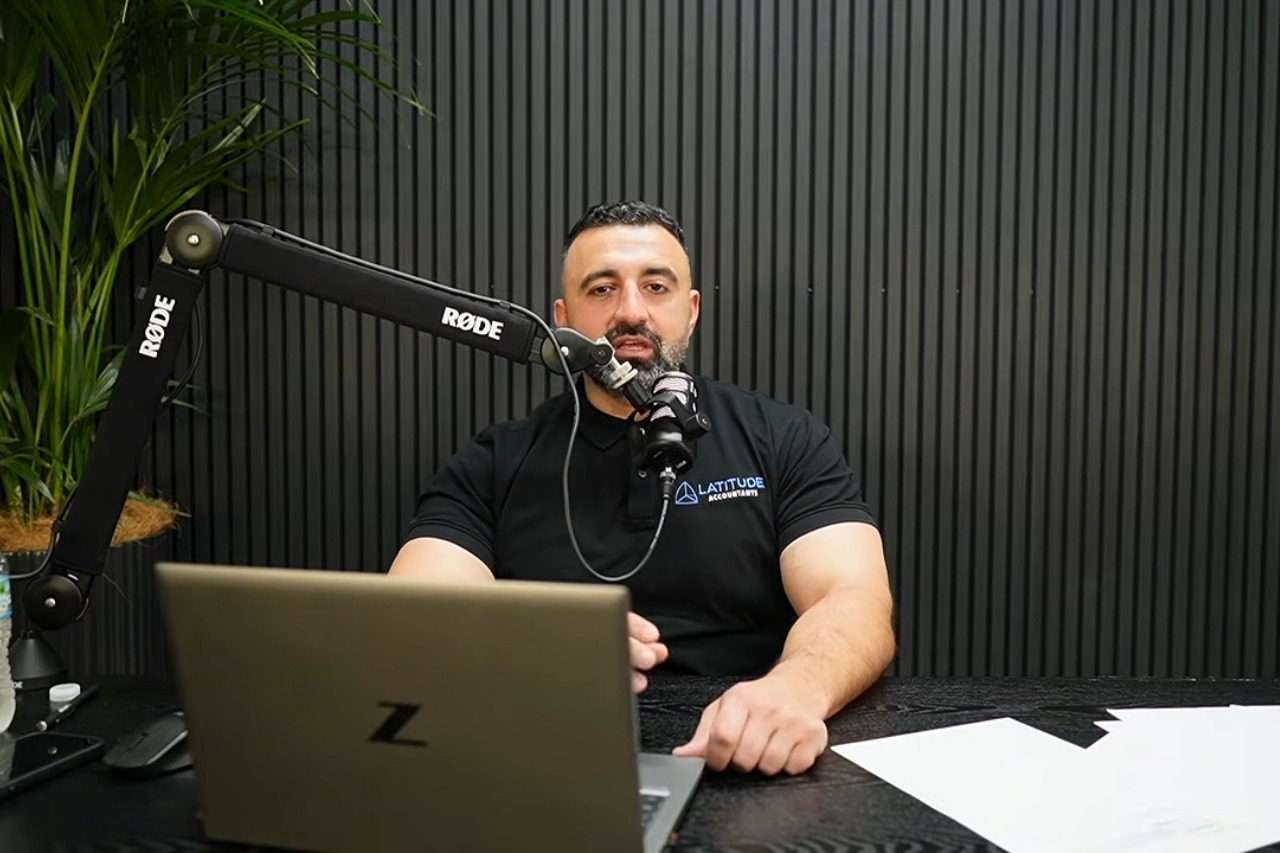
In the CEO Breakdown episode, John Saade discusses the possibility of further interest rate increases and how higher borrowing costs could add pressure to an already challenging Australian economic environment.
For small business owners, understanding how interest rates affect the business can help them prepare for changes rather than simply react when repayments increase.
Why Do Interest Rates Matter to Small Businesses?
Interest rates influence the cost of borrowing money.
When rates rise, businesses with variable-rate loans or other forms of borrowing may pay more interest.
This can affect businesses that use finance for:
- Equipment.
- Commercial property.
- Vehicles.
- Inventory.
- Business expansion.
- Working capital.
- Business acquisitions.
- Other investments.
Even businesses without significant debt can feel the effects indirectly as customers and other businesses adjust their spending.
How Higher Interest Rates Increase Business Costs
The most direct impact is often higher financing costs.
For example, a business with a variable-rate loan may see its interest expense increase when its lender raises the applicable rate.
That means more of the business’s cash flow is directed towards debt servicing.
The money that previously could have been used for:
- Hiring.
- Marketing.
- Equipment.
- Expansion.
- Cash reserves.
- Owner distributions.
may instead be required to cover additional interest.
For businesses already operating on narrow margins, this can create meaningful financial pressure.
Higher Interest Rates Can Put Pressure on Cash Flow
Cash flow is particularly important when borrowing costs increase.
A business may have budgeted for a certain level of monthly repayments. If interest rates rise, those repayments or interest expenses may increase.
The business then needs to find additional cash without necessarily generating additional revenue.
This can be challenging if the business is already experiencing:
- Slow customer payments.
- Rising supplier costs.
- Higher wages.
- Increased rent.
- Lower sales.
- Higher operating expenses.
A business that has limited cash reserves may have less flexibility to absorb these changes.
Interest Rates Can Affect Consumer Spending
The impact of interest rates does not stop at business loans.
Higher rates can also affect households.
If mortgage repayments and other borrowing costs increase, consumers may have less disposable income available for discretionary spending.
That can affect businesses such as:
- Retailers.
- Restaurants.
- Hospitality businesses.
- Trades.
- Entertainment businesses.
- Service providers.
When customers become more cautious with their spending, businesses may experience weaker demand.
This can create a second layer of pressure:
Higher interest costs + lower customer demand = greater pressure on business cash flow.
Businesses May Delay Expansion
Higher interest rates can change the economics of expansion.
A business considering a new location, equipment purchase or major investment may reassess the decision if financing becomes more expensive.
For example, an investment that appeared attractive when borrowing costs were low may produce a smaller return when interest expenses increase.
Business owners may therefore decide to:
- Delay expansion.
- Reduce capital expenditure.
- Use existing equipment for longer.
- Build cash reserves.
- Reduce borrowing.
- Reassess projected returns.
This does not necessarily mean businesses stop investing altogether.
It means investment decisions may require greater scrutiny.
Higher Rates Can Affect Business Profitability
Interest is a business expense.
When interest costs increase, the business may see its profit decline even if revenue remains unchanged.
Consider a simplified example.
A business generates $1 million in annual revenue and has $150,000 available after its operating expenses before interest.
If its annual interest expense increases from $40,000 to $60,000, the business has $20,000 less available before considering other factors.
The business has not necessarily become less efficient.
Its financing costs have simply increased.
This demonstrates why business owners should monitor interest expenses alongside revenue and operating costs.
Which Businesses May Be More Exposed?
The impact varies significantly between businesses.
Businesses with the greatest exposure may include those with:
- Large variable-rate loans.
- Significant commercial property debt.
- High equipment finance.
- Large working-capital facilities.
- High levels of leverage.
- Thin profit margins.
- Unpredictable revenue.
- Significant expansion commitments.
A business with little debt and strong cash reserves may be better positioned to absorb rising rates.
Fixed-Rate and Variable-Rate Borrowing
The type of borrowing can also affect how quickly a business feels an increase in rates.
Variable-Rate Debt
Variable-rate borrowing can become more expensive as interest rates increase.
The impact may therefore appear relatively quickly through higher interest costs or repayments.
Fixed-Rate Debt
Fixed-rate borrowing may provide greater certainty during the fixed period because the interest rate does not immediately change with market rates.
However, businesses should still consider what happens when the fixed period ends and the loan is refinanced or repriced.
Understanding the structure and terms of business finance is therefore important regardless of the interest-rate environment.
Rising Rates Can Expose Overleveraged Businesses
Low interest rates can make borrowing appear relatively affordable.
This can encourage businesses to take on debt to accelerate growth.
But when rates rise, the cost of servicing that debt increases.
Businesses that borrowed aggressively may suddenly find that a larger portion of their cash flow is being consumed by repayments and interest.
This is one of the broader financial lessons highlighted by John Saade in the episode.
Borrowing is not necessarily the problem.
The question is whether the business has sufficient financial capacity to manage its commitments when conditions change.
How Rising Interest Rates Can Affect Construction Businesses
Construction businesses can be particularly sensitive to financing conditions because projects can require substantial working capital.
A builder or developer may need to fund:
- Materials.
- Labour.
- Subcontractors.
- Equipment.
- Site costs.
- Financing.
- Other project expenses.
If borrowing costs increase while construction costs remain elevated and demand weakens, project margins can become increasingly difficult to maintain.
This makes accurate pricing, cash-flow forecasting and financial monitoring particularly important.
How Business Owners Can Prepare for Higher Interest Rates
Business owners cannot control the Reserve Bank’s decisions.
However, they can review their own financial position and prepare for different scenarios.
Review Existing Debt
Make a list of all business borrowing and identify:
- Outstanding balances.
- Interest rates.
- Repayment amounts.
- Fixed or variable rates.
- Loan terms.
- Refinancing dates.
Understanding the complete debt position is the first step.
Stress-Test Your Cash Flow
Consider what would happen if interest rates increased further.
Could the business still comfortably meet its repayments?
Also consider what happens if higher rates are accompanied by lower revenue.
Stress-testing can help identify potential vulnerabilities before they become urgent.
Build a Cash Buffer
Maintaining an appropriate cash reserve can provide additional flexibility when costs rise or revenue falls.
The appropriate amount will depend on the business, industry and level of financial commitments.
Review Expenses
Higher interest costs may make it more important to understand where business cash is being spent.
Review recurring expenses and determine whether each cost continues to provide sufficient value.
Reassess Major Investments
Before taking on new debt for expansion, equipment or property, consider how the investment performs under different interest-rate scenarios.
An investment should not rely entirely on the assumption that borrowing costs will remain low.
Improve Cash Collection
Businesses can also reduce pressure by managing accounts receivable effectively.
Issuing invoices promptly and following up overdue accounts can help improve the timing of cash inflows.
Should a Business Avoid Borrowing When Rates Are High?
Not necessarily.
The right decision depends on the purpose of the borrowing and the financial position of the business.
A loan that funds a productive investment may still make sense if the expected benefits justify the cost.
The important question is whether the business can comfortably service the borrowing under realistic conditions.
Business owners should avoid making decisions based solely on whether interest rates are currently high or low.
Instead, consider the full financial picture.
What Business Owners Should Monitor
During a period of rising interest rates, business owners should regularly review:
- Loan balances.
- Interest expenses.
- Monthly repayments.
- Cash flow.
- Profit margins.
- Customer demand.
- Accounts receivable.
- Supplier costs.
- Cash reserves.
- Upcoming refinancing requirements.
Monitoring these areas can help identify changes before they become major problems.
Interest Rates Are Only One Part of the Picture
Rising interest rates can create financial pressure, but they rarely operate in isolation.
Businesses may simultaneously experience:
- Higher wages.
- Increasing material costs.
- Higher energy expenses.
- Weaker consumer confidence.
- Changes in government policy.
- Increased competition.
- Slower customer payments.
This is why business owners should avoid looking at interest rates as a standalone issue.
The more important question is how the entire business responds to changing economic conditions.
Strong Financial Management Becomes More Important When Rates Rise
Businesses cannot control the economy, but they can control how closely they monitor their finances.
A business with accurate financial reporting, realistic cash-flow forecasts and manageable debt is generally in a better position to make informed decisions when conditions change.
The objective should not necessarily be to eliminate borrowing or stop investing.
It is to ensure that financial commitments remain sustainable.
Higher interest rates can expose weaknesses that were less obvious when borrowing was cheaper.
For business owners, that makes financial visibility even more important.

Frequently Asked Questions About Rising Interest Rates and Small Businesses
How do rising interest rates affect small businesses?
They can increase loan and financing costs, reduce cash flow, affect profitability, discourage investment and indirectly reduce customer spending.
Do interest rate rises affect businesses without debt?
Yes. Businesses without significant debt can still be affected if customers reduce spending or if suppliers and other businesses face higher financing costs.
Which businesses are most vulnerable to rising interest rates?
Businesses with high debt, significant variable-rate borrowing, thin profit margins, large expansion commitments or unpredictable cash flow may be more exposed.
Should businesses refinance when interest rates rise?
It depends on the individual circumstances. Refinancing may sometimes improve the structure or terms of existing debt, but businesses should consider all associated costs and conditions before making a decision.
How can an accountant help during rising interest rates?
An accountant can help a business review its financial position, analyse cash flow, assess profitability, prepare forecasts and understand how changes in financing costs may affect future decisions.

Need Help Preparing Your Business for Higher Interest Rates?
Economic conditions can change quickly, but business owners can take steps to understand and manage their financial exposure.
Latitude Accountants provides accounting, taxation and business advisory services to Australian businesses, helping owners understand their numbers, manage cash flow and make informed financial decisions.
If rising interest rates are affecting your business or you want to understand how future rate changes could affect your cash flow and borrowing, speaking with an experienced adviser can help you plan ahead.
Contact Latitude Accountants:
📍 Sydney Olympic Park | Marrickville | Melbourne | Loxton
📞 1300 706 597
📧 info@latitudeaccountants.com.au
Disclaimer
This article is for general information only and does not constitute financial, accounting, legal or business advice. Seek professional advice for your circumstances.
Free Consultation
Got questions after reading this?
Book a call with our team. We'll walk through your situation and help you understand your options — no obligation.
Book Your Free Consultation*Free for all ABN holders · Limited spots available
Call 1300 706 597What We Do
Chartered accountants who work proactively
Not just at tax time — all year round.
Before You Make a Move
Six times you should call us first
Most costly mistakes happen before the paperwork is signed.
Buying a vehicle
Structure, FBT, and depreciation all need to be right before you sign.
Taking money out
Wages, dividends, or drawings each carry different tax consequences.
Buying property
Who buys it changes your GST, land tax, and CGT position entirely.
Hiring your first employee
Payroll, super, and STP obligations kick in from day one.
Buying or selling a business
You can inherit someone else's tax debt. Know what you're buying first.
Taking on a partner
Equity splits need proper structure upfront. A handshake deal costs more to unwind.
Get In Touch
Stop Guessing. Start Making Better Decisions.
Get clarity on your numbers, your structure, and your next move. Speak directly with our team and walk away knowing exactly where you stand.