
Guides & Resources
Capital Gains Tax in Australia: A Practical Guide for Business Owners
Capital Gains Tax Australia explained for business owners.
Learn CGT rules, concessions, and strategies to reduce tax with this practical guide.
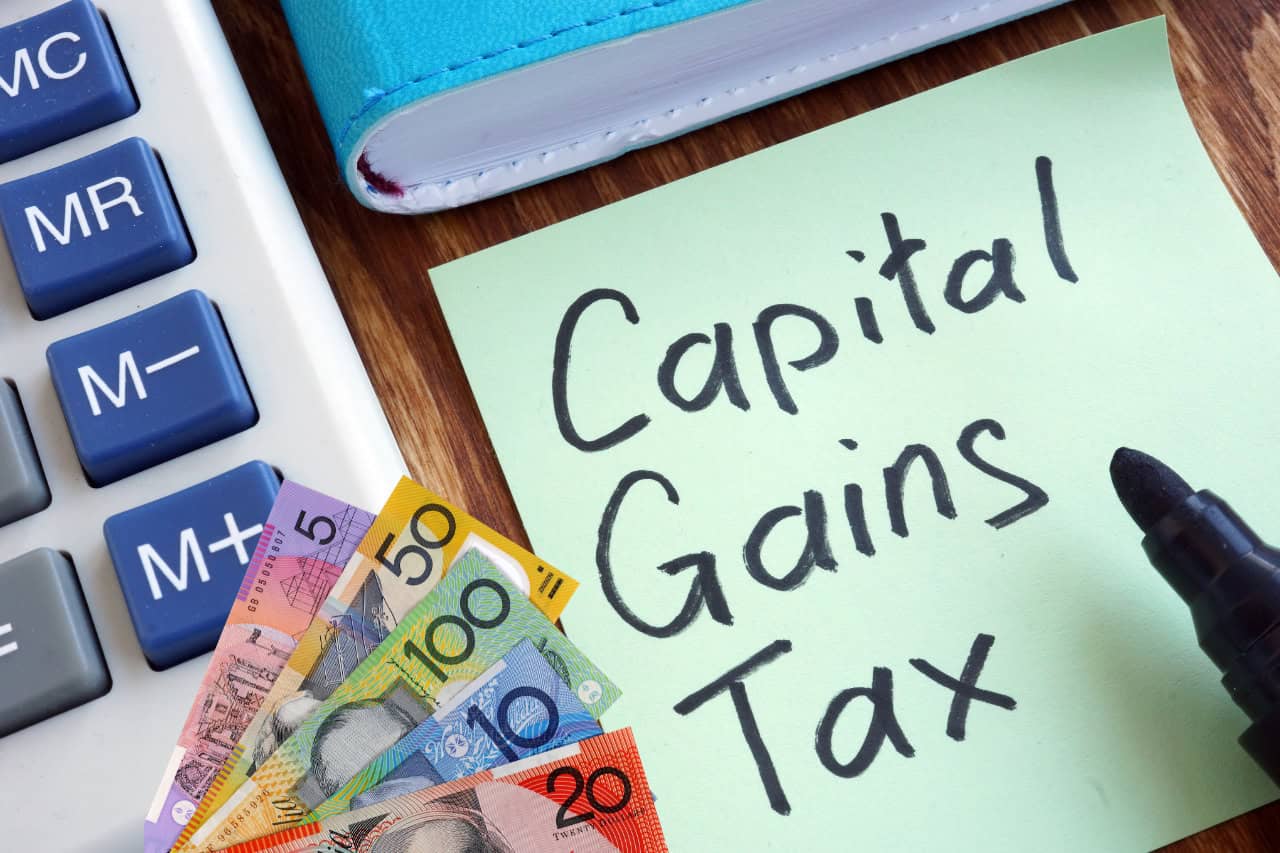
Selling a business asset can be one of the most important financial moments in your journey as a business owner. Whether you’re exiting, restructuring, or reinvesting, understanding Capital Gains Tax (CGT) in Australia is critical to protecting your profits.
CGT isn’t a separate tax — it forms part of your income tax. But for business owners, it’s far more than just a calculation. With the right strategy, you may be able to significantly reduce — or even eliminate — the tax you pay.
At Latitude Accountants, we help business owners navigate CGT with clarity and confidence. This guide breaks down how CGT works in Australia, the small business concessions available, and practical strategies to help you minimise tax.
What Is Capital Gains Tax (CGT)?
What does Capital Gains Tax mean in Australia?
Capital Gains Tax (CGT) is the tax you pay on the profit made when you sell an asset.
A capital gain is calculated as:
- The sale price of the asset
minus - The cost base (what you originally paid, plus associated costs)
CGT applies to a wide range of assets, including:
- Business premises
- Goodwill
- Shares
- Investment properties
It is governed by the Australian Taxation Office (ATO) and applies consistently across all states and territories.

How Does CGT Work for Business Owners?
When is CGT triggered?
CGT is triggered when a “CGT event” occurs — most commonly when you sell an asset.
Importantly:
- CGT is based on the contract date, not the settlement date
- This timing can impact which financial year the gain is reported in
How is the capital gain taxed?
The way CGT is applied depends on your business structure:
Individuals & Trusts
- Eligible for a 50% CGT discount if the asset is held for more than 12 months
- Remaining gain is taxed at marginal tax rates
Companies
- No CGT discount
- Taxed at:
- 25% (base rate entities)
- Up to 30% (larger companies)
Self-Managed Super Funds (SMSFs)
- Taxed at 15%
- Reduced to 10% if the asset is held for more than 12 months
What Is the Cost Base and Why Does It Matter?
What is included in the cost base?
Your cost base is more than just the purchase price.
It can include:
- Legal fees
- Stamp duty
- Accounting fees
- Capital improvements
Why is this important?
Underestimating your cost base is one of the most common ways business owners overpay CGT.
Accurate record keeping ensures:
- Lower taxable gains
- Better compliance with ATO requirements
The 4 Small Business CGT Concessions
What are the CGT concessions for small businesses?
If you qualify as a Small Business Entity, you may be eligible for powerful CGT concessions.
You generally qualify if:
- Aggregated turnover is under $2 million
or - Net business assets are under $6 million
These rules are set federally and apply across Australia.
1. What is the 15-Year Exemption?
If you:
- Owned the asset for at least 15 years
- Are aged 55 or over and retiring (or permanently incapacitated)
You may:
- Pay zero CGT on the sale
2. What is the 50% Active Asset Reduction?
This allows you to:
- Reduce your capital gain by an additional 50%
This is on top of the standard 50% CGT discount (for individuals and trusts).
3. What is the Retirement Exemption?
You can:
- Exempt up to $500,000 of capital gains over your lifetime
If you are under 55:
- The amount must be contributed to your superannuation fund
4. What is CGT Rollover Relief?
This allows you to:
- Defer your capital gain
You must:
- Purchase a replacement asset
or - Improve an existing asset
The deferral period is typically two years, but may be extended in certain cases.
The Active Asset Test Explained
What is an active asset?
An asset is considered “active” if it is used in the course of running your business.
What is the active asset test?
To access CGT concessions:
- The asset must be active for:
- At least half the ownership period
or - 7.5 years (if owned for more than 15 years)
- At least half the ownership period
Does a home office qualify?
Not usually.
The ATO has clarified:
- A home office does not automatically qualify
- The business use must be more than incidental
Timing Strategies for CGT
Can timing reduce CGT?
Yes — timing is one of the most effective strategies.
Because CGT is tied to the contract date:
- Selling in a lower-income year can reduce your tax rate
What should you consider?
- Your current income level
- Expected future income
- Business lifecycle stage
Planning ahead can make a significant difference.
Key CGT Changes and Considerations for 2026
What is Division 296?
From the 2025–26 financial year:
- A new tax may apply to individuals with super balances exceeding $3 million
This may:
- Impact how capital gains within super funds are taxed
Why does this matter?
If you’re planning:
- A business sale
- Asset transfer
- Retirement strategy
You should consider how this rule affects your long-term planning.
CGT and Business Structures
Does my structure affect CGT?
Yes — significantly.
Your structure determines:
- Eligibility for discounts
- Tax rates applied
- Access to concessions
Which structure is most tax-effective?
It depends on your situation:
- Individuals and trusts benefit from CGT discounts
- Companies do not, but may offer other planning advantages
This is why structuring advice is critical before selling assets.
Common CGT Mistakes Business Owners Make
What are the most common CGT errors?
Many business owners:
- Forgot to include all costs in the cost base
- Miss eligibility for concessions
- Sell assets without planning timing
- Assume their home office qualifies as an active asset
Why do these mistakes happen?
Because CGT rules:
- Are complex
- Require planning
- Depends on multiple eligibility criteria
Professional advice can help avoid costly errors.
Practical CGT Planning Tips
How can I reduce CGT legally?
Here are key strategies:
- Hold assets for at least 12 months
- Maintain detailed records
- Review eligibility for concessions early
- Time to sell strategically
- Consider your business structure
When should I plan for CGT?
Ideally:
- Before you buy the asset
- Not just when you sell
Early planning gives you more flexibility and better outcomes.

Frequently Asked Questions About Capital Gains Tax in Australia
Do I always have to pay CGT when selling a business asset?
Not always. If you qualify for small business CGT concessions, you may significantly reduce or eliminate your tax liability.
How do I qualify for CGT concessions?
You must meet eligibility criteria, including turnover or asset thresholds and the active asset test.
Is CGT the same across all states in Australia?
Yes. CGT is governed by federal tax law and applies consistently nationwide.
Do companies get the 50% CGT discount?
No. The CGT discount is only available to individuals and trusts, not companies.
What is the lifetime limit for the retirement exemption?
The lifetime cap is $500,000 per individual.
Can I defer CGT if I reinvest in another asset?
Yes. Rollover relief allows you to defer CGT if you acquire a replacement asset.
Does selling my business trigger CGT?
Yes. Selling business assets, including goodwill, can trigger a CGT event.
Is CGT calculated at the settlement or contract date?
CGT is triggered at the contract date, not settlement.
Can poor record-keeping increase my CGT?
Yes. Missing cost base elements can result in a higher taxable gain.
Should I get advice before selling a business asset?
Absolutely. Planning before the sale can significantly reduce your tax.
Why CGT Planning Matters More Than You Think
Capital Gains Tax isn’t just about compliance — it’s about strategy.
It affects:
- How much profit do you keep
- Your retirement planning
- Your reinvestment opportunities
- Your overall financial position
The difference between planning and not planning can be substantial.
The Latitude Way: CGT Done Right
At Latitude Accountants, we don’t just calculate tax — we help you plan for it.
We focus on:
Clear Advice
No jargon. Just practical guidance you can act on.
Proactive Planning
We help you prepare before the sale, not after.
Real Results
Our goal is to minimise tax and maximise your outcomes.
Ongoing Support
As your business evolves, we ensure your strategy keeps up.

Ready to Minimise Your Capital Gains Tax?
Selling a business asset is a major financial decision. The right advice can make a significant difference to the outcome.
Before you sign a contract, speak with a team that understands how to structure your sale the right way.
Contact Latitude Accountants today:
📍 Sydney Olympic Park | Marrickville | Melbourne | Loxton
📞 Phone: 1300 706 597
📧 Email: info@latitudeaccountants.com.au
Disclaimer
This article is for general information only and does not constitute tax or financial advice. Always seek personalised advice from a qualified accountant before making financial decisions.
Free Consultation
Got questions after reading this?
Book a call with our team. We'll walk through your situation and help you understand your options — no obligation.
Book Your Free Consultation*Free for all ABN holders · Limited spots available
Call 1300 706 597What We Do
Chartered accountants who work proactively
Not just at tax time — all year round.
Before You Make a Move
Six times you should call us first
Most costly mistakes happen before the paperwork is signed.
Buying a vehicle
Structure, FBT, and depreciation all need to be right before you sign.
Taking money out
Wages, dividends, or drawings each carry different tax consequences.
Buying property
Who buys it changes your GST, land tax, and CGT position entirely.
Hiring your first employee
Payroll, super, and STP obligations kick in from day one.
Buying or selling a business
You can inherit someone else's tax debt. Know what you're buying first.
Taking on a partner
Equity splits need proper structure upfront. A handshake deal costs more to unwind.
Get In Touch
Stop Guessing. Start Making Better Decisions.
Get clarity on your numbers, your structure, and your next move. Speak directly with our team and walk away knowing exactly where you stand.