
Guides & Resources
What Running 7 Major Marathons in One Year Does to You
Keegan Hipgrave shares what running seven major marathons in one year taught him
About consistency, priorities, business, family, and mental health.


Former NRL player Keegan Hipgrave is taking on a challenge most people would consider impossible: running all seven World Marathon Majors in a single year.
In a conversation with Jacob Fahmy on The Account Rant, Keegan discussed what drove him to take on the challenge, how he balances marathon training with business and family, and why doing difficult things can change the way you approach the rest of your life.
From recovering after professional sport to building a business and becoming a new father, Keegan’s story is about much more than running. It is about setting ambitious goals, staying consistent and learning how to adjust when life does not go according to plan.
From NRL to Running Seven Marathons
After finishing his rugby league career, Keegan found himself looking for another physical challenge.
Despite once joking during pre-season that he would never run again after football, he eventually entered the City2Surf in Sydney. That experience led to a 50-kilometre ultra-marathon in the Blue Mountains.
The 50-kilometre race was a major learning experience. Keegan admitted he knew very little about running, including proper fuelling, progressive training loads and strength work.
Rather than giving up, he stepped back, built his experience through half-marathons and eventually progressed to full marathons.
The idea of running all seven World Marathon Majors in one year eventually came together as the perfect personal challenge.
The schedule includes:
- Tokyo
- Boston
- London
- Sydney
- Berlin
- Chicago
- New York
For Keegan, the challenge also provides an opportunity to connect with people around the world while raising money and awareness for Movember and men’s mental health.

Why Consistency Matters More Than Perfection
One of the biggest lessons from Keegan’s training is that consistency does not necessarily mean giving 100 per cent every single day.
With work, family commitments and marathon training competing for his attention, Keegan focused on completing three quality runs each week:
- A recovery run
- A harder tempo session
- A long weekend run
The goal was not to have one perfect training day followed by several poor ones. It was to create a routine that could actually be maintained.
This principle applies just as strongly in business.
Business owners often look for breakthroughs, but sustainable growth is usually built through smaller actions repeated consistently. Reviewing financial performance, staying on top of obligations, monitoring cash flow and making informed decisions may not feel dramatic on any individual day.
Over time, however, those habits can make a significant difference.
Training, Business and Family: Making Priorities Work
Running a marathon requires time, but so do family, business and other responsibilities.
Keegan explained that his approach was not about finding unlimited time. It was about making the goal a priority and adjusting other parts of his schedule around it.
That became even more important when he and his wife welcomed their first child.
His training did not always go according to plan. Sleep was disrupted, long runs took longer and sessions sometimes had to be interrupted so he could help care for his newborn daughter.
Rather than becoming frustrated about missing targets, Keegan recognised that his priorities had changed.
A three-hour treadmill session could turn into more than four hours because he needed to stop and attend to his baby. The important thing was not achieving a perfect training session. It was continuing to move towards the larger goal while recognising what mattered most at that particular stage of life.
For business owners, the same lesson can apply.
Your Plan Needs Room for Real Life
A business plan might look perfect on paper, but unexpected circumstances are inevitable.
Staff changes, family commitments, market conditions, cash flow pressures and other challenges can all force business owners to adjust their plans.
The ability to adapt without abandoning the bigger objective can be just as important as having the objective itself.
What Doing Hard Things Can Teach You
Keegan believes there is something powerful about completing a challenge you once thought was impossible.
His progression illustrates that perfectly.
He started with a 14-kilometre City2Surf run, progressed to a 50-kilometre ultra-marathon, then moved through half-marathons and full marathons before taking on the World Marathon Majors.
Each achievement created a new question:
If I can do this, what else might I be capable of?
That mindset can extend beyond physical challenges.
Overcoming something difficult can build confidence and self-belief. Those qualities can influence how someone approaches their career, business, relationships and future goals.
For business owners, taking on difficult challenges can sometimes provide a similar perspective. Building a successful business rarely happens overnight. It requires learning from setbacks, making decisions without perfect information and continuing when progress feels slow.
You Do Not Need to Be an Elite Athlete
A particularly interesting part of the conversation was the reminder that marathon running is not only for professional athletes.
Jacob Fahmy discussed his own experience of starting from almost no running background and eventually completing his first marathon.
The broader message is simple: progress starts with manageable steps.
You do not have to begin by thinking about 42.2 kilometres. You can begin with one kilometre, then three, then five.
The same principle can apply to business.
A business owner does not necessarily need to solve every problem at once. Improving one process, understanding one financial metric or making one better strategic decision can be the beginning of a much larger improvement.
Focus on Your Own Starting Point
Social media can make achievements look deceptively easy.
Keegan highlighted how marathon times can create unrealistic expectations, particularly around finishing times such as sub-four hours or sub-three hours.
But the most important comparison is often with where you started.
Completing a marathon is a significant achievement regardless of your finishing time. Likewise, business progress should not always be measured against someone else’s revenue, team size or growth rate.
The right benchmark is often whether your business is in a stronger position than it was previously.
The Importance of Recovery and Support
Keegan also spoke about the value of working with a running coach and strength coach.
After experiencing recurring minor injuries following his rugby career, structured strength and running programmes helped him prepare more effectively.
The lesson extends beyond running: sometimes the right support can help you perform better and avoid preventable problems.
Business owners can benefit from the same approach.
Having the right accountant, adviser or professional support team can provide another perspective, identify potential issues and help business owners make more informed decisions.
You do not have to navigate every challenge alone.
Running, Community and Mental Health
The marathon challenge also has a deeper purpose for Keegan.
He has supported Movember for many years after losing a close friend, Regan, to suicide. That experience shaped his interest in men’s mental health and eventually contributed to his ambition to study psychology and become a clinical psychologist.
His marathon challenge is helping raise funds and awareness for Movember, to raise $37,000.
For Keegan, running also provides an opportunity to build community and maintain mental clarity.
That combination of physical activity, connection and purpose is an important part of why the challenge means so much to him.
What Business Owners Can Take From Keegan’s Challenge
You do not need to run seven marathons to apply the lessons from Keegan’s experience.
Several principles can translate directly into business and everyday life:
- Set a meaningful goal rather than simply staying busy.
- Break large objectives into manageable steps.
- Prioritise consistency over occasional bursts of effort.
- Accept that plans will need to change.
- Measure progress against your own starting point.
- Ask for professional support when you need it.
- Protect your health, relationships and other priorities.
- Keep moving forward even when progress is slower than expected.
Whether the goal is completing a marathon or building a stronger business, meaningful results rarely come from one extraordinary day.
They are usually built through hundreds of smaller decisions.

Frequently Asked Questions About Running Seven Marathons in One Year
What are the World Marathon Majors?
The World Marathon Majors are a group of major international marathon events. Keegan Hipgrave’s challenge involves completing Tokyo, Boston, London, Sydney, Berlin, Chicago and New York in a single year.
How did Keegan Hipgrave get into marathon running?
After finishing his NRL career, Keegan began running to maintain a physical challenge. He progressed from the City2Surf to an ultra-marathon, half-marathons and eventually full marathons.
Why is Keegan Hipgrave running seven marathons?
The challenge combines a personal physical goal with his interest in growing his podcast and raising money and awareness for Movember and men’s mental health.
What can business owners learn from marathon training?
Marathon training highlights the importance of consistency, planning, adaptability, recovery and setting realistic long-term goals. These principles can also apply to building and managing a business.
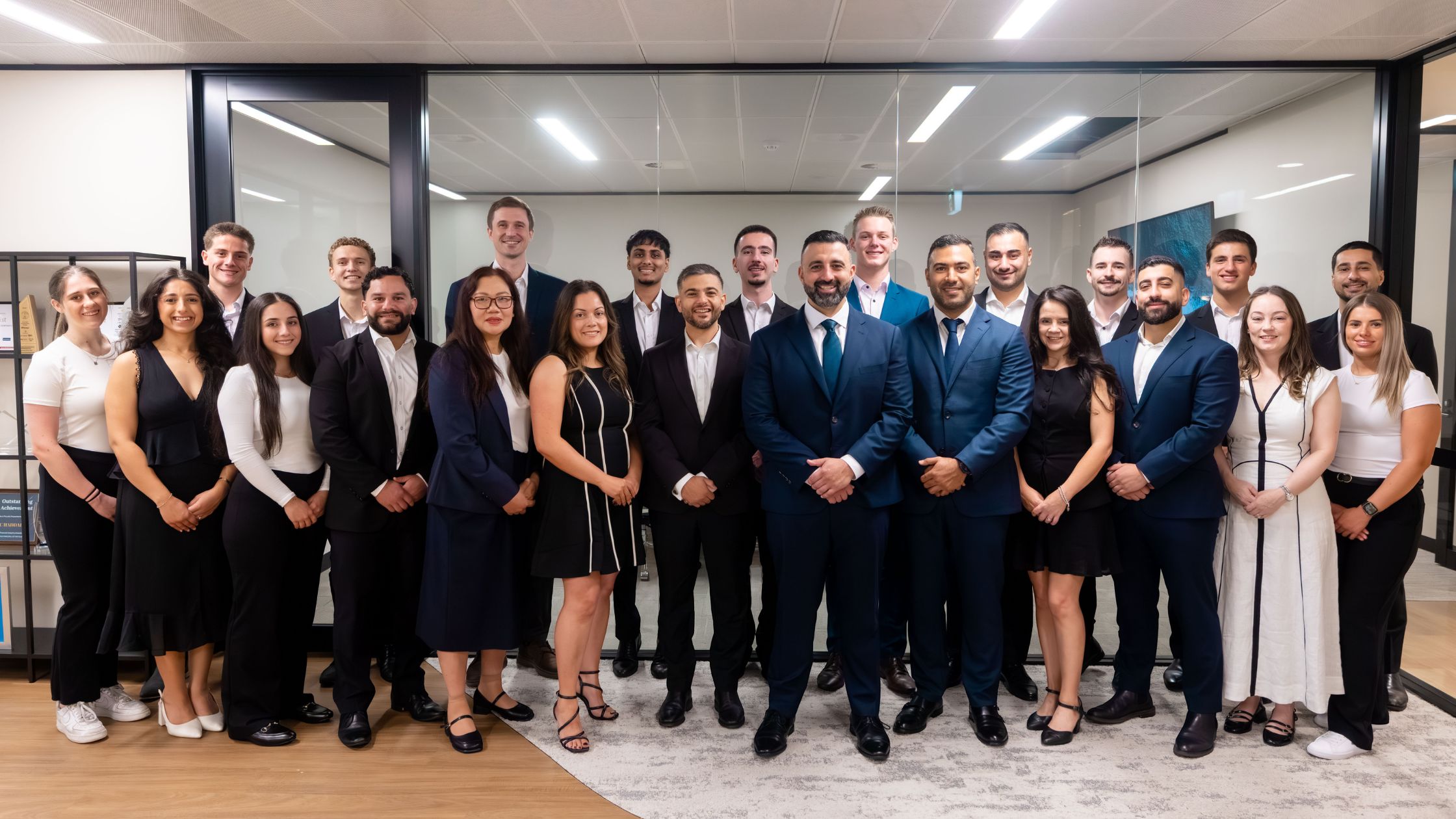
How can Latitude Accountants help business owners?
Latitude Accountants provides accounting, tax and advisory services designed to help Australian business owners make informed financial decisions and build stronger foundations for their businesses.
Ready to put a stronger financial foundation behind your business?
Speak with Latitude Accountants today for a free consultation for ABN holders.
📍 Sydney Olympic Park | Marrickville | Melbourne | Loxton | Adelaide
📞 1300 706 597
📧 info@latitudeaccountants.com.au
Disclaimer
This content is general information only and does not constitute financial, tax, accounting, legal, property or business advice. Speak with a qualified adviser about your own circumstances.
Free Consultation
Got questions after reading this?
Book a call with our team. We'll walk through your situation and help you understand your options — no obligation.
Book Your Free Consultation*Free for all ABN holders · Limited spots available
Call 1300 706 597What We Do
Chartered accountants who work proactively
Not just at tax time — all year round.
Before You Make a Move
Six times you should call us first
Most costly mistakes happen before the paperwork is signed.
Buying a vehicle
Structure, FBT, and depreciation all need to be right before you sign.
Taking money out
Wages, dividends, or drawings each carry different tax consequences.
Buying property
Who buys it changes your GST, land tax, and CGT position entirely.
Hiring your first employee
Payroll, super, and STP obligations kick in from day one.
Buying or selling a business
You can inherit someone else's tax debt. Know what you're buying first.
Taking on a partner
Equity splits need proper structure upfront. A handshake deal costs more to unwind.
Get In Touch
Stop Guessing. Start Making Better Decisions.
Get clarity on your numbers, your structure, and your next move. Speak directly with our team and walk away knowing exactly where you stand.