
Guides & Resources
Can I Claim Exercise Equipment on Tax in Australia?
Maximise 2026 tax savings.
Learn when exercise equipment is deductible and how to claim it correctly. Expert guidance from a trusted Chartered firm.
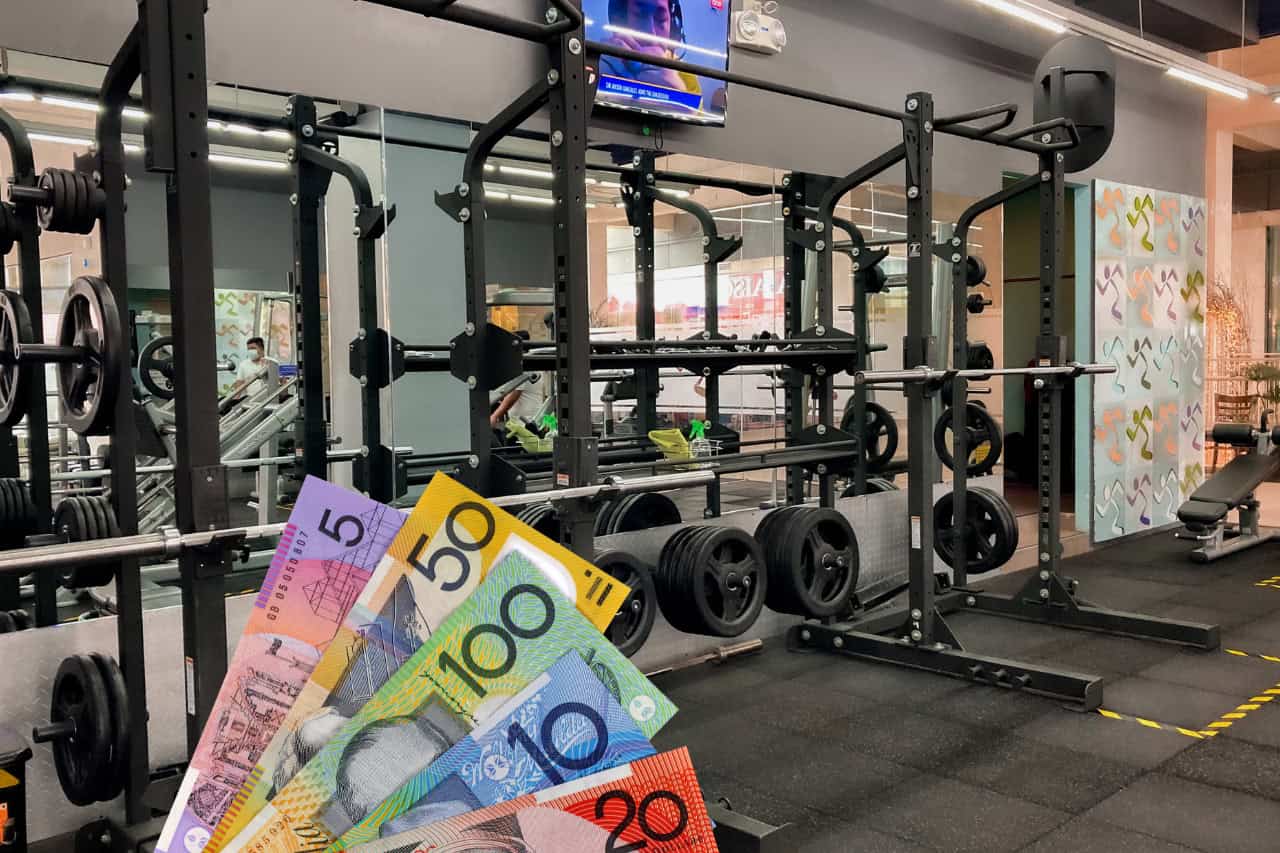
With more Australians working from home and prioritising wellbeing, many people are investing in fitness gear. But when tax time rolls around, a common question pops up: Can I claim exercise equipment on taxes?
The short answer? Only in very limited circumstances. While keeping fit is important, the Australian Taxation Office (ATO) is clear — for something to be deductible, it must be directly related to earning your income. Unfortunately, general health and fitness gear doesn’t usually meet that requirement.
That said, there are some specific situations where exercise equipment may be deductible. Let’s unpack when it qualifies, what the ATO will accept, and how to claim it properly if you’re eligible.
Is Exercise Equipment Tax Deductible?
In most cases, no. Exercise gear like treadmills, weights, resistance bands, or yoga mats is considered a personal expense. Even if your work is stressful or physically demanding, the ATO doesn’t allow general fitness-related purchases as tax deductions unless the equipment is:
- Directly tied to your income, and
- Essential for performing your duties

When Can You Claim Exercise Equipment?
1. If You’re a Professional Athlete or Personal Trainer
If your profession is fitness-related, you may be able to claim some or all of the cost of exercise equipment. This includes:
- Personal trainers
- Group fitness instructors
- Elite or professional athletes
- Strength and conditioning coaches
For example, if you’re a personal trainer and purchase a barbell set to use with clients, that expense could be deductible. However, equipment used for personal training sessions or home workouts not related to your job won’t count.
2. If It’s Required by Your Employer
In rare cases, if your employer requires you to maintain a certain fitness level as part of your role (such as military personnel, firefighters, or law enforcement), and exercise equipment is part of that requirement, you may be able to claim the cost.
You’ll need documentation proving:
- The equipment is essential for your role
- Your employer requires or endorses its use
- It’s not for private, recreational purposes
What About Home Gyms?
Setting up a home gym for personal health, even if you’re working long hours or sitting all day, does not qualify as a tax deduction. This applies even if you work from home or run your own business — the ATO does not consider general health and wellbeing to be directly related to income production.
What About Physiotherapy or Rehab Equipment?
If you’ve purchased rehab or recovery equipment (like foam rollers, massage guns, or mobility tools) for medical reasons or to address a work-related injury, the cost may be deductible only if part of an accepted workers’ compensation claim or medical plan. Otherwise, these are considered private health expenses.
Can You Claim Exercise Subscriptions or Gym Memberships?
In most cases, no. Gym memberships, fitness apps, or online workout subscriptions are considered personal expenses, even if they improve your overall work performance or wellbeing.
There are exceptions for:
- Personal trainers who need access to gyms for training clients
- Fitness professionals who review or promote programs as part of their job
Record Keeping for Deductible Exercise Equipment
If you qualify to claim exercise equipment, the ATO will require:
- A tax invoice or receipt
- A clear explanation of how the equipment is used for income-earning purposes
- A record showing any private use, as personal use must be excluded
If the item costs more than $300, it will need to be depreciated over its effective life (usually 3–5 years for fitness gear)

Quick Example Scenarios
✅ Claimable:
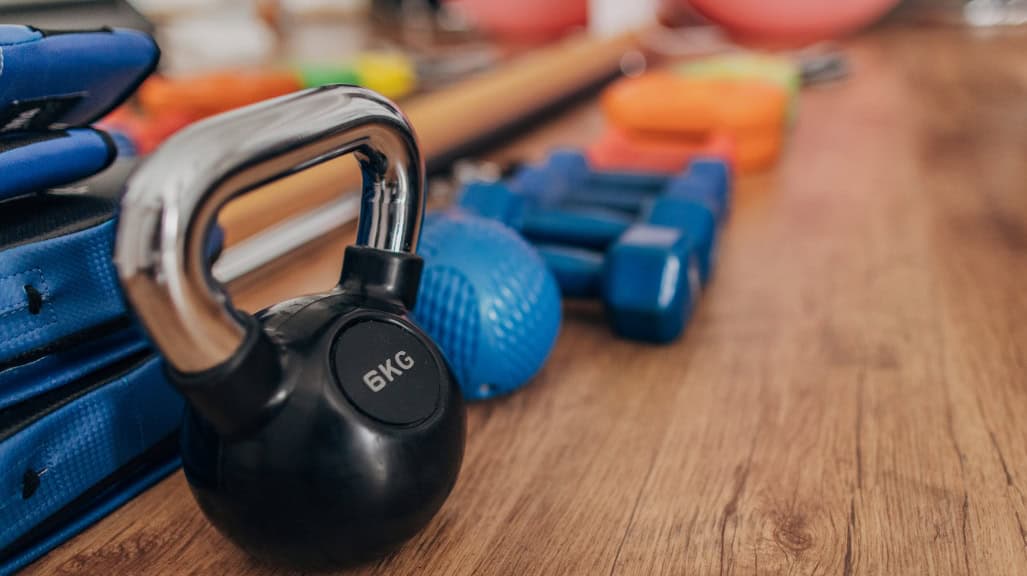
A personal trainer buys kettlebells to use during paid client sessions — deductible as a business expense.
❌ Not Claimable:
An office worker buys a treadmill to stay active while working from home — considered a personal expense.
✅ Possibly Claimable:
A police officer buys fitness equipment under a documented employer fitness requirement — only claimable if fully supported and substantiated.
Final Thoughts
Exercise equipment is rarely tax-deductible unless you’re working in the fitness industry or can prove the equipment is essential for your current job. Even then, strict documentation and clear business use are required to make a valid claim.
If you’re unsure whether your equipment qualifies, the safest bet is to speak with a registered tax professional.
Speak to Latitude Accountants
At Latitude Accountants, we help sole traders, fitness professionals, and employees across a range of industries understand what they can and can’t claim. If you’re looking to maximise your deductions while staying compliant, we’ll walk you through every step.
Contact Latitude Accountants today for personalised tax advice, clear answers, and no guesswork this financial year.
📞 Contact Latitude Accountants
📧 info@latitudeaccountants.com.au
🌐 www.latitudeaccountants.com.au
Disclaimer: This article is for general informational purposes only and does not constitute personalised tax advice. Please consult a registered tax agent for guidance specific to your circumstances.
Free Consultation
Got questions after reading this?
Book a call with our team. We'll walk through your situation and help you understand your options — no obligation.
Book Your Free Consultation*Free for all ABN holders · Limited spots available
Call 1300 706 597What We Do
Chartered accountants who work proactively
Not just at tax time — all year round.
Before You Make a Move
Six times you should call us first
Most costly mistakes happen before the paperwork is signed.
Buying a vehicle
Structure, FBT, and depreciation all need to be right before you sign.
Taking money out
Wages, dividends, or drawings each carry different tax consequences.
Buying property
Who buys it changes your GST, land tax, and CGT position entirely.
Hiring your first employee
Payroll, super, and STP obligations kick in from day one.
Buying or selling a business
You can inherit someone else's tax debt. Know what you're buying first.
Taking on a partner
Equity splits need proper structure upfront. A handshake deal costs more to unwind.
Get In Touch
Stop Guessing. Start Making Better Decisions.
Get clarity on your numbers, your structure, and your next move. Speak directly with our team and walk away knowing exactly where you stand.