
Guides & Resources
Another RBA Interest Rate Rise? What Higher Borrowing Costs Mean for Australian Businesses
Could another RBA rate rise impact your business?
John Saade explores higher borrowing costs, inflation risks and cash-flow planning for Australian SMEs.


Could Australian businesses be facing another interest rate rise before the end of 2026? With inflation remaining a concern and borrowing costs already placing pressure on households and businesses, another increase could create additional financial challenges across the economy.
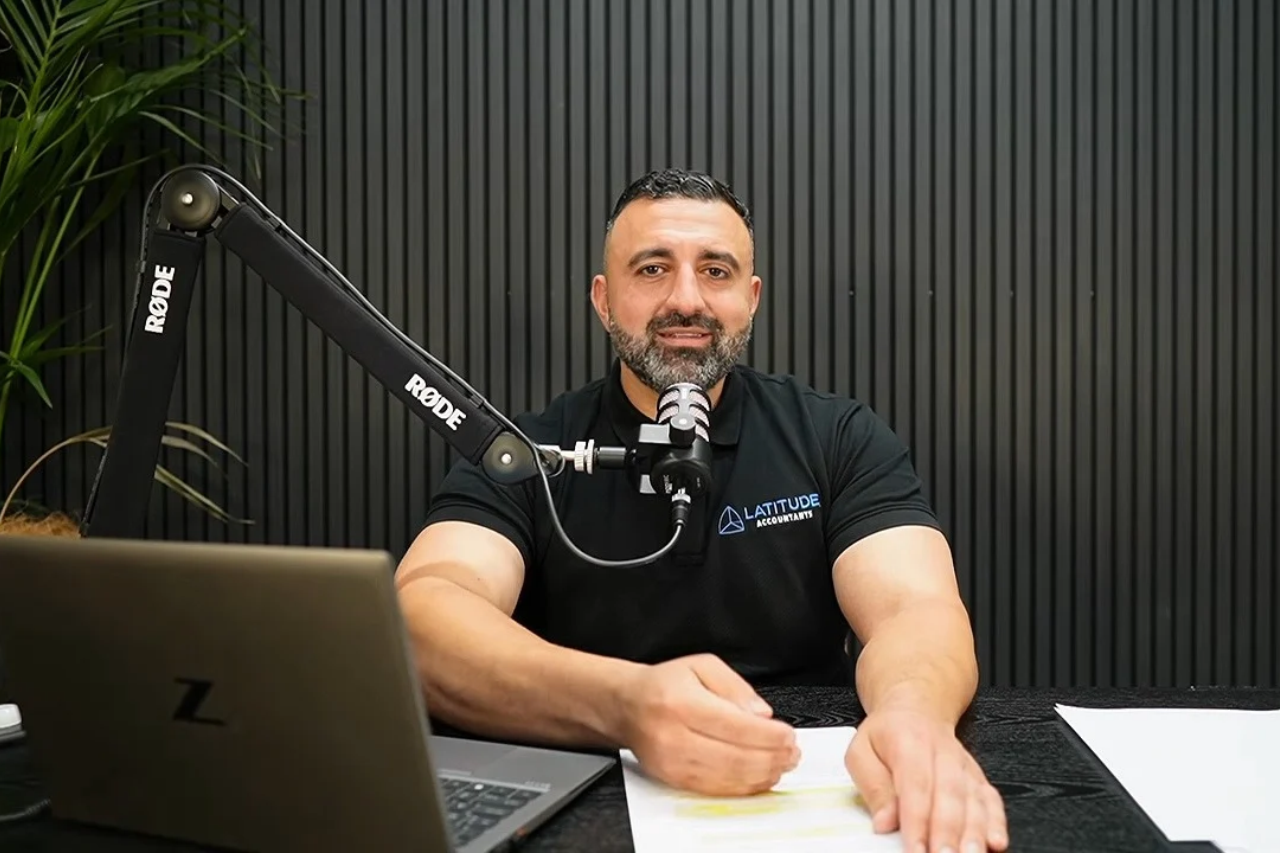
In this episode of The CEO Breakdown, John Saade, CEO of Latitude Accountants, examines recent comments from Reserve Bank of Australia (RBA) Deputy Governor Andrew Hauser, the possibility of another interest rate increase and the broader implications for Australia’s property market and business community.
While much of the discussion surrounding interest rates focuses on mortgage repayments and house prices, the consequences extend well beyond residential property.
For Australian small business owners, higher interest rates can influence everything from business loan repayments and equipment financing to customer spending, profitability and long-term investment decisions.
Why Is the RBA Considering Another Interest Rate Rise?
The Reserve Bank of Australia uses monetary policy to help maintain price stability and support sustainable economic growth and employment.
Its inflation target is 2–3% over time.
When inflation remains elevated, the RBA may consider increasing the official cash rate to reduce spending and borrowing demand throughout the economy.
During The CEO Breakdown, John discusses comments from Deputy Governor Andrew Hauser, who warned that Australia’s inflation outlook had become materially worse than previously forecast.
According to the reporting referenced in the episode, financial markets had increased their expectations of another potential rate rise ahead of the November RBA meeting.
However, market expectations are not official decisions. The RBA considers updated economic information before determining whether monetary policy needs to change.
How Does an Interest Rate Increase Help Control Inflation?
Higher interest rates generally make borrowing more expensive while encouraging households and businesses to reconsider discretionary spending.
This can reduce demand across the economy and help moderate inflationary pressure.
However, John highlights an important concern: increasing interest rates when businesses and households are already experiencing financial difficulties can create additional short-term economic pain.
The challenge for the RBA is balancing inflation control against the potential consequences for employment, business activity and economic growth.

How Higher Interest Rates Affect Australian Small Businesses
Although changes to the official cash rate do not automatically translate into identical changes across every financial product, lenders may adjust their borrowing rates in response.
For businesses carrying debt or planning future investments, these changes can have significant financial implications.
1. Higher Business Loan Repayments
Businesses with variable-rate loans may experience increased interest expenses following a rate rise.
This can affect financing arrangements used for:
- Commercial property purchases.
- Business expansion.
- Equipment and machinery.
- Working capital facilities.
- Vehicle and asset financing.
For example, a business carrying a $500,000 interest-only loan could incur approximately $1,250 in additional annual interest expenses following a 0.25 percentage point increase, assuming the full increase is passed through and the loan balance remains unchanged.
While this may appear manageable in isolation, repeated increases can place substantial pressure on businesses already operating with tight margins.
2. Reduced Business Cash Flow
Higher loan repayments leave less money available for everyday business operations.
This can make it more difficult to manage payroll, supplier payments, rent, taxation obligations and unexpected expenses.
Businesses relying heavily on borrowed capital may be particularly exposed.
3. Weaker Consumer Spending
Higher mortgage repayments can also reduce household disposable income.
When consumers have less money available, they may reduce spending on non-essential goods and services.
This can affect retailers, hospitality operators, trades, professional services and other businesses that depend on consumer demand.
4. Delayed Business Investment
Businesses may postpone purchasing equipment, opening additional locations or expanding their workforce when financing becomes more expensive.
While these decisions may protect short-term cash flow, prolonged reductions in investment can also affect future growth.
What Could Another Rate Rise Mean for Australia’s Property Market?
John also examines the relationship between interest rates, mortgage borrowing capacity and Australia’s weakening housing market.
Higher borrowing costs can reduce the amount prospective buyers qualify to borrow, particularly when lenders apply serviceability assessment buffers.
This may contribute to:
- Reduced property buyer demand.
- Lower borrowing capacity.
- Longer property selling periods.
- Greater pressure on highly leveraged investors.
- Delayed residential construction projects.
During the episode, John highlights Stockland’s reported 71% decline in prospective buyer enquiries as an example of weakening confidence across the property sector.
For businesses connected to residential construction, property development and real estate, another rate increase could add to existing financial pressures.
Could Higher Interest Rates Increase Australia’s Recession Risk?
Another major concern raised by John is the possibility that tighter monetary policy could contribute to weaker economic conditions.
He discusses slowing property activity, corporate workforce reductions and warnings of softer economic growth and potentially higher unemployment.
Higher interest rates can influence the economy through reduced borrowing, lower household spending and weaker business investment.
However, a recession is not an inevitable consequence of an interest rate increase.
Australia’s economic outlook depends on multiple factors, including inflation, employment, productivity, global conditions and government policy.
For small business owners, the important takeaway is to prepare for several possible economic outcomes rather than relying on a single forecast.
How Can Businesses Prepare for Higher Borrowing Costs?
While business owners cannot control RBA decisions, they can strengthen their financial position before further changes occur.
John consistently emphasises the importance of understanding your numbers and making proactive financial decisions.
Here are six practical steps Australian businesses should consider.
1. Review Existing Business Debt
Understand your current loan balances, interest rates, repayment schedules and whether your facilities have fixed or variable rates.
This provides a clearer picture of your exposure to future borrowing cost increases.
2. Prepare a Cash-Flow Forecast
Forecast expected revenue, operating expenses, debt repayments and upcoming financial commitments.
Consider modelling different scenarios, including reduced sales or additional interest expenses.
3. Monitor Business Profitability
Regularly review your profit and loss statements to identify rising costs and areas where operating efficiency could improve.
4. Plan for Tax and Superannuation Obligations
Ensure GST, PAYG withholding, income tax and superannuation commitments are incorporated into your financial planning.
These obligations remain important regardless of changes in interest rates.
5. Reassess Major Business Investments
Before taking on additional debt, evaluate whether the expected financial return justifies the borrowing costs and associated risks.
6. Seek Proactive Accounting Advice
Working with an experienced accountant can help identify potential cash-flow issues, review financial performance and support more informed business decisions.
Frequently Asked Questions About RBA Interest Rates and Australian Businesses
Will the RBA increase interest rates again in 2026?
Another interest rate increase remains a possibility based on the inflation concerns discussed in the episode. However, future decisions depend on updated economic data and official RBA assessments.
How does an RBA rate rise affect business loans?
Lenders may increase variable business lending rates following an RBA cash rate increase, potentially raising interest expenses and repayment commitments.
Can higher interest rates affect small businesses without loans?
Yes. Even businesses without outstanding debt may experience reduced customer spending, higher supplier costs or weaker demand as borrowing expenses increase across the economy.
How can an accountant help businesses prepare for rising interest rates?
An accountant can assist with cash-flow forecasting, financial reporting, budgeting, profitability assessments, tax planning and evaluating the financial implications of existing business debt.

Prepare Your Business for Changing Economic Conditions with Latitude Accountants
Interest rate uncertainty makes proactive financial management increasingly important for Australian business owners.
At Latitude Accountants, we help small and medium-sized businesses understand their financial position, manage tax obligations and make informed decisions through practical accounting and business advisory services.
Whether you’re concerned about higher borrowing costs, cash-flow pressure or planning your next business investment, our experienced team can help you prepare with confidence.
Get a FREE consultation for ABN holders.
📍 Sydney Olympic Park | Marrickville | Melbourne | Loxton | Adelaide
📞 1300 706 597
📧 info@latitudeaccountants.com.au
Disclaimer
This article provides general information only and does not constitute financial, tax, accounting, legal, lending, property or business advice. Interest rate expectations and economic forecasts referenced in this article reflect information discussed at the time of publication and are subject to change. Actual borrowing costs depend on individual lending arrangements and financial circumstances. Seek advice from a qualified professional before making financial, borrowing or investment decisions.
Free Consultation
Got questions after reading this?
Book a call with our team. We'll walk through your situation and help you understand your options — no obligation.
Book Your Free Consultation*Free for all ABN holders · Limited spots available
Call 1300 706 597What We Do
Chartered accountants who work proactively
Not just at tax time — all year round.
Before You Make a Move
Six times you should call us first
Most costly mistakes happen before the paperwork is signed.
Buying a vehicle
Structure, FBT, and depreciation all need to be right before you sign.
Taking money out
Wages, dividends, or drawings each carry different tax consequences.
Buying property
Who buys it changes your GST, land tax, and CGT position entirely.
Hiring your first employee
Payroll, super, and STP obligations kick in from day one.
Buying or selling a business
You can inherit someone else's tax debt. Know what you're buying first.
Taking on a partner
Equity splits need proper structure upfront. A handshake deal costs more to unwind.
Get In Touch
Stop Guessing. Start Making Better Decisions.
Get clarity on your numbers, your structure, and your next move. Speak directly with our team and walk away knowing exactly where you stand.