
Guides & Resources
Superannuation for Business Owners: Do Company Directors Need to Pay Super to Themselves?
Learn how superannuation obligations can apply
To Australian business owners and directors.

Superannuation can be confusing for business owners, particularly when you are both the owner and director of a company.
A common question is: if I own the company, do I really need to pay superannuation to myself?
The answer depends on how you operate and receive remuneration from the company.
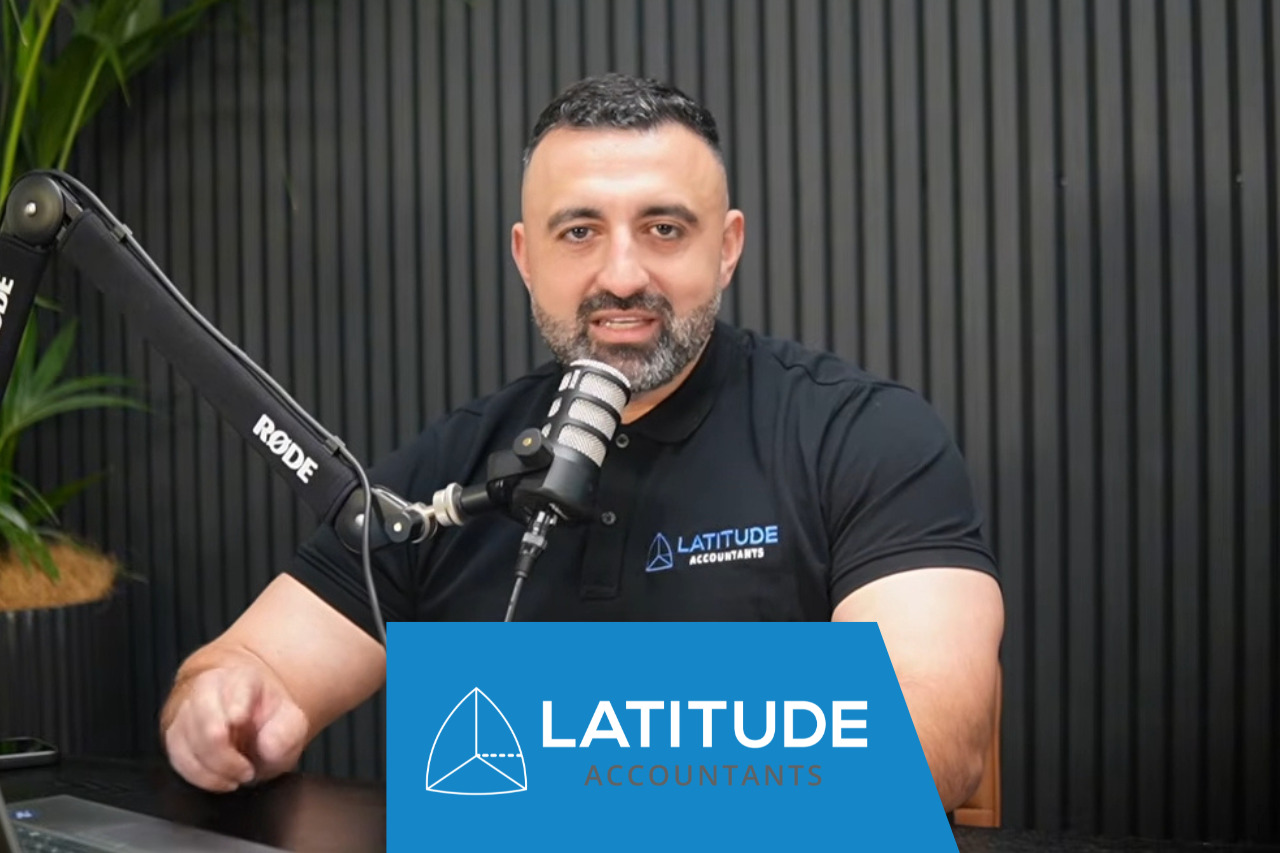
In The CEO Breakdown discussion, John Saade addressed this exact issue after a business owner questioned why the Australian Taxation Office (ATO) was requiring his company to pay around $15,000 in superannuation for himself.
The important point is that operating a company can mean wearing more than one hat. You may be the owner and director of the company, while also working for the company as an employee. Those different roles can have different obligations.
For eligible employees, the current superannuation guarantee (SG) rate is 12% of ordinary time earnings (OTE). From 1 July 2026, Payday Super also changes when employers are required to make super contributions, with contributions generally needing to be paid on payday and received by the employee’s super fund within seven business days.
Do Company Directors Have to Pay Superannuation?
A company director may be entitled to superannuation where they are also an employee of the company for superannuation purposes.
The important distinction is that a company is a separate legal entity from its owner.
If you operate through a company, the company’s money is not automatically your personal money. Likewise, the company’s obligations can be separate from your personal obligations.
If you work for your company and receive salary, wages or certain director’s fees, superannuation obligations may apply.
The ATO’s superannuation guidance confirms that company directors can fall within the extended definition of an employee for superannuation purposes.
This means being a business owner or director does not automatically remove the company’s obligation to provide superannuation.

The Two Hats of a Company Director
One of the easiest ways to understand the issue is to think about the two roles a business owner can have.
Hat 1: You Are the Company Director
As a director, you are responsible for managing and overseeing the company.
Your responsibilities can include:
- Making business decisions
- Managing company operations
- Overseeing employees
- Managing finances
- Ensuring the company meets its obligations
- Setting business strategy
Hat 2: You Work for the Company
You may also perform work for the company and receive remuneration for that work.
This is where superannuation obligations can arise.
The fact that you own the company does not necessarily mean you are exempt from superannuation requirements when you are also working in the business.
What If I Pay Myself a Salary?
If you are employed by your company and receive salary or wages that are subject to superannuation, the company generally needs to calculate the required SG contribution.
The current SG rate is 12% of ordinary time earnings for eligible employees.
For example, if an eligible company director receives $100,000 in relevant ordinary time earnings, a 12% SG contribution would be $12,000, subject to the applicable rules and contribution limits.
The contribution is made by the company into the director’s superannuation fund.
It is not simply an additional amount that the director takes personally as cash.
What About Director’s Fees?
Directors’ fees also need to be considered carefully.
The ATO’s Superannuation Guarantee Ruling states that fees paid to a company director are earnings in respect of the director’s ordinary hours of work.
This means business owners should not assume that calling a payment “director’s fees” automatically removes the superannuation obligation.
The way payments are structured and reported matters.
If you are receiving remuneration from your company, it is important to have your accountant or payroll professional determine how the payments should be treated.
What If I Don’t Pay Myself a Salary?
Not every business owner pays themselves through a regular salary.
Some company directors may take different forms of remuneration or receive payments through other arrangements.
This is where professional advice becomes particularly important.
The question is not simply whether you call yourself an “owner” or “director”. Your actual working arrangements, remuneration and company structure need to be considered.
Business owners should avoid assuming that they can simply choose not to pay super because they own the company.
What About Sole Traders?
The situation can be different for a sole trader.
A sole trader and the business are generally the same legal entity. This is different from operating through a company.
A sole trader does not generally have to pay themselves superannuation guarantee contributions because they are not their own employee.
However, a sole trader can choose to make personal superannuation contributions as part of their retirement and financial planning.
This distinction is one reason why business structure matters.
What Happens If Superannuation Is Not Paid?
Superannuation is an important employer obligation.
If an employer does not pay the required SG contributions correctly and on time, a Superannuation Guarantee Charge (SGC) may apply.
The ATO states that the SGC can include the super shortfall, an administration component and a nominal interest component.
For a company director who is also an employee, failing to correctly account for super can therefore create additional costs and compliance problems for the company.
This is why superannuation should be included in the company’s regular payroll and financial processes rather than treated as an optional payment.
Payday Super: What Business Owners Need to Know
There is another important change for Australian employers from 1 July 2026.
Under Payday Super, employers generally need to pay superannuation at the same time as salary and wages. The contribution must generally reach the employee’s super fund within seven business days of payday.
This means businesses need appropriate payroll systems and processes to manage their obligations.
For company directors who receive remuneration through their business, this makes accurate payroll and superannuation processing even more important.
Business owners should ensure their accounting and payroll systems are ready to calculate and process super correctly.
Common Superannuation Mistakes Business Owners Make
Some common mistakes include:
- Assuming company ownership means super does not apply
- Treating director’s fees as automatically exempt from super
- Paying super late
- Calculating super incorrectly
- Failing to include eligible remuneration
- Not keeping appropriate payroll records
- Treating company money as personal money
- Ignoring changes to superannuation payment requirements
- Waiting until the end of the financial year to identify problems
These mistakes can become expensive if they continue over multiple pay periods.
How Can Business Owners Stay Compliant?
Business owners can take several practical steps to reduce the risk of superannuation problems.
Review How You Pay Yourself
Understand whether you receive salary, wages, director’s fees, dividends or another form of payment.
Different forms of remuneration can have different tax and superannuation consequences.
Check Your Payroll Setup
Make sure your payroll system is correctly calculating superannuation and reporting remuneration.
Understand Payday Super
If you employ staff or pay yourself through the company as an eligible employee, make sure your business is prepared for the new payment timing requirements that commenced on 1 July 2026.
Review Superannuation Regularly
Do not wait for an ATO review or accounting issue before checking whether contributions are being made correctly.
Speak With Your Accountant
Superannuation obligations can depend on the business structure, remuneration arrangements and individual circumstances.
Getting the structure right from the beginning can help prevent costly problems later.
Why Superannuation Should Be Part of Your Business Planning
Superannuation is not simply an administrative expense.
For business owners, it can form part of a broader financial strategy involving remuneration, tax planning, retirement planning and business structure.
The key is understanding that owning a company does not necessarily mean you are outside the superannuation system.
If you work for your company and receive remuneration, the company may have superannuation obligations towards you.
Final Thoughts
The question of whether company directors need to pay superannuation to themselves cannot be answered simply by saying “I’m the owner, so I don’t need to”.
A company is a separate legal entity, and a director can also be an employee of that company for superannuation purposes.
As John Saade discussed in the CEO Breakdown episode, understanding the difference between your role as a director and your role as someone working for the company is critical.
With the SG rate currently at 12% and Payday Super now applying from 1 July 2026, business owners should make sure their remuneration and payroll arrangements are correctly structured and managed.
If you are unsure whether your company needs to pay superannuation on your remuneration, speak with your accountant before assuming that no obligation exists.

Frequently Asked Questions About Superannuation for Company Directors
Do company directors have to pay super to themselves?
A company director may be entitled to superannuation if they are also an employee of the company or otherwise covered by the superannuation guarantee rules. The specific circumstances should be reviewed by an accountant or tax professional.
What is the current superannuation guarantee rate?
The current superannuation guarantee rate is 12% of ordinary time earnings for eligible employees.
Do I have to pay super if I own 100% of my company?
Owning 100% of a company does not automatically remove superannuation obligations. If you work for the company and are covered by the relevant superannuation rules, the company may need to make super contributions on your behalf.
Do directors’ fees attract superannuation?
Directors’ fees can form part of ordinary time earnings for superannuation purposes. The ATO’s ruling states that fees paid to a company director are earnings in respect of ordinary hours of work.
Do sole traders have to pay themselves superannuation?
A sole trader generally does not have to pay themselves compulsory superannuation guarantee contributions because they are not their own employee. They can, however, choose to make personal super contributions.
What is Payday Super?
Payday Super is the new system under which employers generally need to pay superannuation at the same time as salary and wages, with contributions generally required to reach the employee’s super fund within seven business days of payday. It commenced on 1 July 2026.
What happens if my company does not pay the required super?
If required superannuation contributions are not paid correctly and on time, the company may become liable for the Superannuation Guarantee Charge, which can include the shortfall, interest and an administration component.
Talk to Latitude Accountants
Superannuation can become complicated when you are both a company owner and a director working in the business.
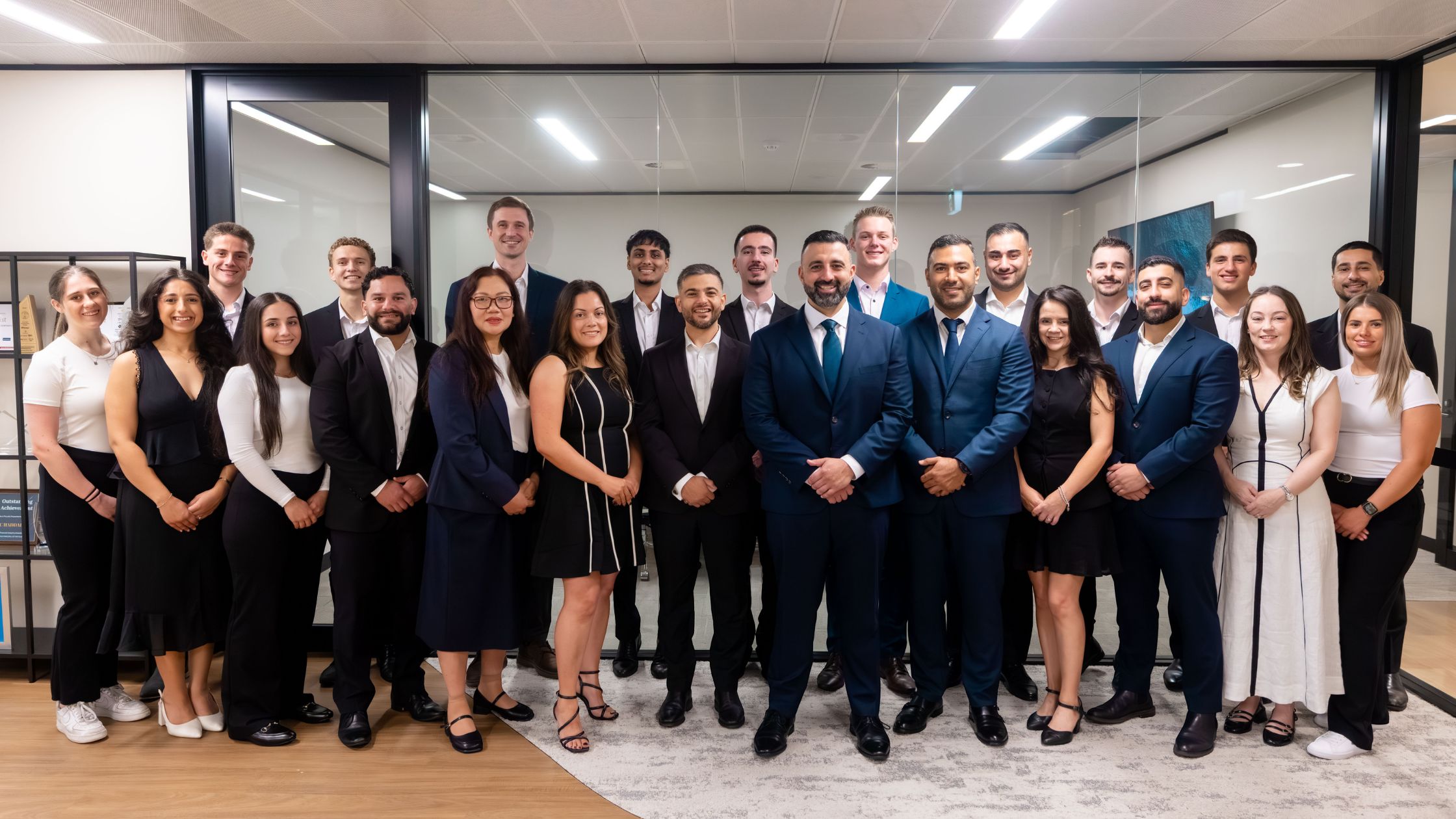
At Latitude Accountants, we help Australian business owners with accounting, taxation, business advisory, tax planning and business structuring.
If you’re unsure whether your company needs to pay superannuation on your remuneration, or you want to review your payroll and business structure, our team can help.
Book a free upfront consultation with Latitude Accountants.
📍 Sydney Olympic Park | Marrickville | Melbourne | Loxton
📞 1300 706 597
📧 info@latitudeaccountants.com.au
Latitude Accountants has offices in Sydney Olympic Park, Marrickville, Melbourne and Loxton and works with businesses across Australia.
Disclaimer
This article provides general information only and should not be considered professional, financial, accounting, legal or tax advice. Superannuation rules can be complex and may depend on your business structure, remuneration arrangements and individual circumstances. Laws and administrative requirements can also change. Business owners should obtain professional advice before making decisions about remuneration, superannuation or business structure.
Free Consultation
Got questions after reading this?
Book a call with our team. We'll walk through your situation and help you understand your options — no obligation.
Book Your Free Consultation*Free for all ABN holders · Limited spots available
Call 1300 706 597What We Do
Chartered accountants who work proactively
Not just at tax time — all year round.
Before You Make a Move
Six times you should call us first
Most costly mistakes happen before the paperwork is signed.
Buying a vehicle
Structure, FBT, and depreciation all need to be right before you sign.
Taking money out
Wages, dividends, or drawings each carry different tax consequences.
Buying property
Who buys it changes your GST, land tax, and CGT position entirely.
Hiring your first employee
Payroll, super, and STP obligations kick in from day one.
Buying or selling a business
You can inherit someone else's tax debt. Know what you're buying first.
Taking on a partner
Equity splits need proper structure upfront. A handshake deal costs more to unwind.
Get In Touch
Stop Guessing. Start Making Better Decisions.
Get clarity on your numbers, your structure, and your next move. Speak directly with our team and walk away knowing exactly where you stand.