
Guides & Resources
Understanding GST In Australia: What Every Business Needs to Know
Maximise 2026 tax savings.
GST registration, calculation, reporting & compliance explained. Expert guidance from a trusted Chartered firm.
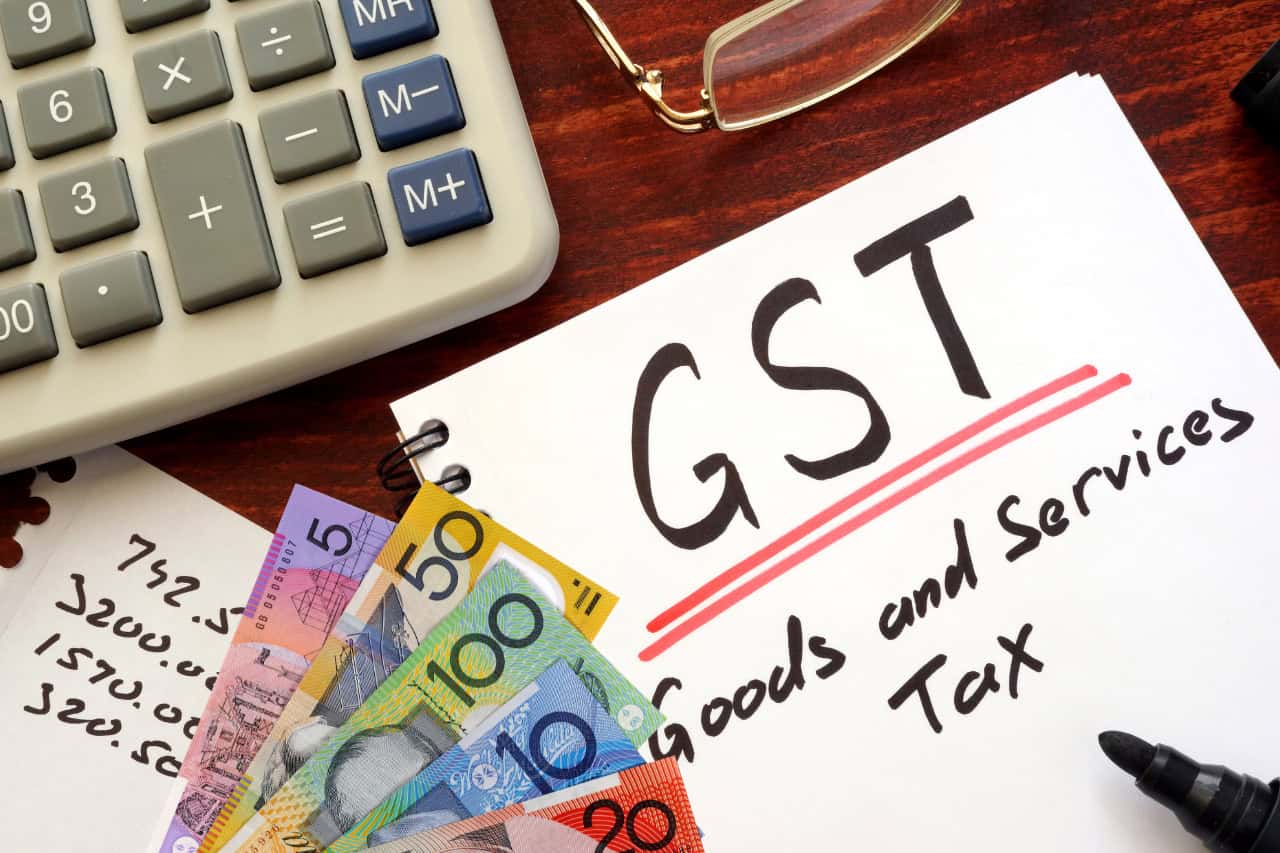

The Goods and Services Tax (GST) is a vital component of the Australian tax system, impacting businesses of all sizes. Understanding GST is crucial for staying compliant and ensuring your business runs smoothly. In this blog, we’ll explain what GST is, who needs to register, how to calculate and report GST, and share some tips to help you stay compliant.
What is GST?
Question: What is GST?
Answer: GST is a 10% tax on most goods, services, and other items sold or consumed in Australia.
Introduced in 2000, GST applies to most transactions in the production and supply chain, from the manufacturer to the consumer. Businesses registered for GST must include it in the price of goods and services they sell.
Who Needs to Register for GST?
Question: Do I need to register my business for GST?
Answer: You must register for GST if your business has a GST turnover of $75,000 or more.
GST turnover includes all sales (excluding GST) related to your business. If your turnover is below $75,000, registration is optional but can be beneficial. Not-for-profit organisations have a higher threshold of $150,000. Taxi and ride-sourcing drivers must register regardless of turnover.
How to Register for GST
Question: How do I register my business for GST?
Answer: You can register for GST through the Australian Business Register (ABR) or the Australian Taxation Office (ATO) online services.
You will need an Australian Business Number (ABN) to register. Once registered, you must include GST in your prices and issue tax invoices to your customers.
How to Calculate GST
Question: How do I calculate the GST on my sales?
Answer: To calculate GST, divide the total price by 11.
For example, if you sell a product for $110 (including GST), the GST amount is $10 ($110 / 11). The price excluding GST is $100 ($110 – $10).
Question: How do I calculate GST on my purchases?
Answer: To find the GST on a purchase, multiply the price by 10/11.
If you purchase an item for $110 (including GST), the GST component is $10 ($110 x 10/11).

Reporting and Paying GST
Question: How do I report and pay GST?
Answer: Businesses must report and pay GST through Business Activity Statements (BAS).
The BAS is submitted either quarterly or monthly, depending on your turnover. You need to report the GST you’ve collected on sales and the GST you’ve paid on business purchases. The difference between these amounts is the GST payable or refundable.
Tips for Staying Compliant
Question: What are some tips for staying GST compliant? Answer: Here are some key tips:
- Keep Accurate Records: Maintain detailed records of all sales and purchases. This includes invoices, receipts, and bank statements.
- Issue Correct Tax Invoices: Ensure all tax invoices include your ABN, the date, a description of the items sold, and the GST amount.
- Lodge BAS on Time: Submit your BAS by the due date to avoid penalties. Set reminders to ensure you don’t miss deadlines.
- Use Accounting Software: Utilise accounting software to track GST. Many programs automatically calculate GST and generate reports for your BAS.
- Seek Professional Advice: Consult with an accountant or tax professional if you’re unsure about any aspect of GST.
GST Exemptions and Concessions
Question: Are there any goods and services exempt from GST?
Answer: Yes, some items are GST-free, such as basic food, healthcare services, and education.
GST-free goods and services do not include GST in their price, and businesses providing these can still claim credits for the GST included in the price of business purchases.

Conclusion
Understanding and managing GST is essential for every business operating in Australia. By registering correctly, maintaining accurate records, and submitting your BAS on time, you can ensure compliance and avoid penalties. Implementing these practices will help your business stay on track and focus on growth.
Need help with GST? Contact Latitude Accountants today for expert advice and personalised assistance. Let us help you navigate the complexities of GST and keep your business compliant.
Disclaimer: The information provided in this blog is for general informational purposes only and does not constitute professional advice. While we strive to ensure the accuracy and relevance of the information, we cannot guarantee that it is free from errors or omissions. The application of tax laws and regulations can vary based on individual circumstances and changes in the law. We recommend consulting with a qualified accountant or tax professional for advice tailored to your specific situation. Latitude Accountants accepts no liability for any loss or damage caused by reliance on the information contained in this blog.
Free Consultation
Got questions after reading this?
Book a call with our team. We'll walk through your situation and help you understand your options — no obligation.
Book Your Free Consultation*Free for all ABN holders · Limited spots available
Call 1300 706 597What We Do
Chartered accountants who work proactively
Not just at tax time — all year round.
Before You Make a Move
Six times you should call us first
Most costly mistakes happen before the paperwork is signed.
Buying a vehicle
Structure, FBT, and depreciation all need to be right before you sign.
Taking money out
Wages, dividends, or drawings each carry different tax consequences.
Buying property
Who buys it changes your GST, land tax, and CGT position entirely.
Hiring your first employee
Payroll, super, and STP obligations kick in from day one.
Buying or selling a business
You can inherit someone else's tax debt. Know what you're buying first.
Taking on a partner
Equity splits need proper structure upfront. A handshake deal costs more to unwind.
Get In Touch
Stop Guessing. Start Making Better Decisions.
Get clarity on your numbers, your structure, and your next move. Speak directly with our team and walk away knowing exactly where you stand.