
Guides & Resources
Why Are So Many Construction Companies Going Bankrupt
Maximise 2026 tax savings.
Rising costs, cash flow issues, labour shortages, and compliance risks in construction are explained. Expert firm guidance.
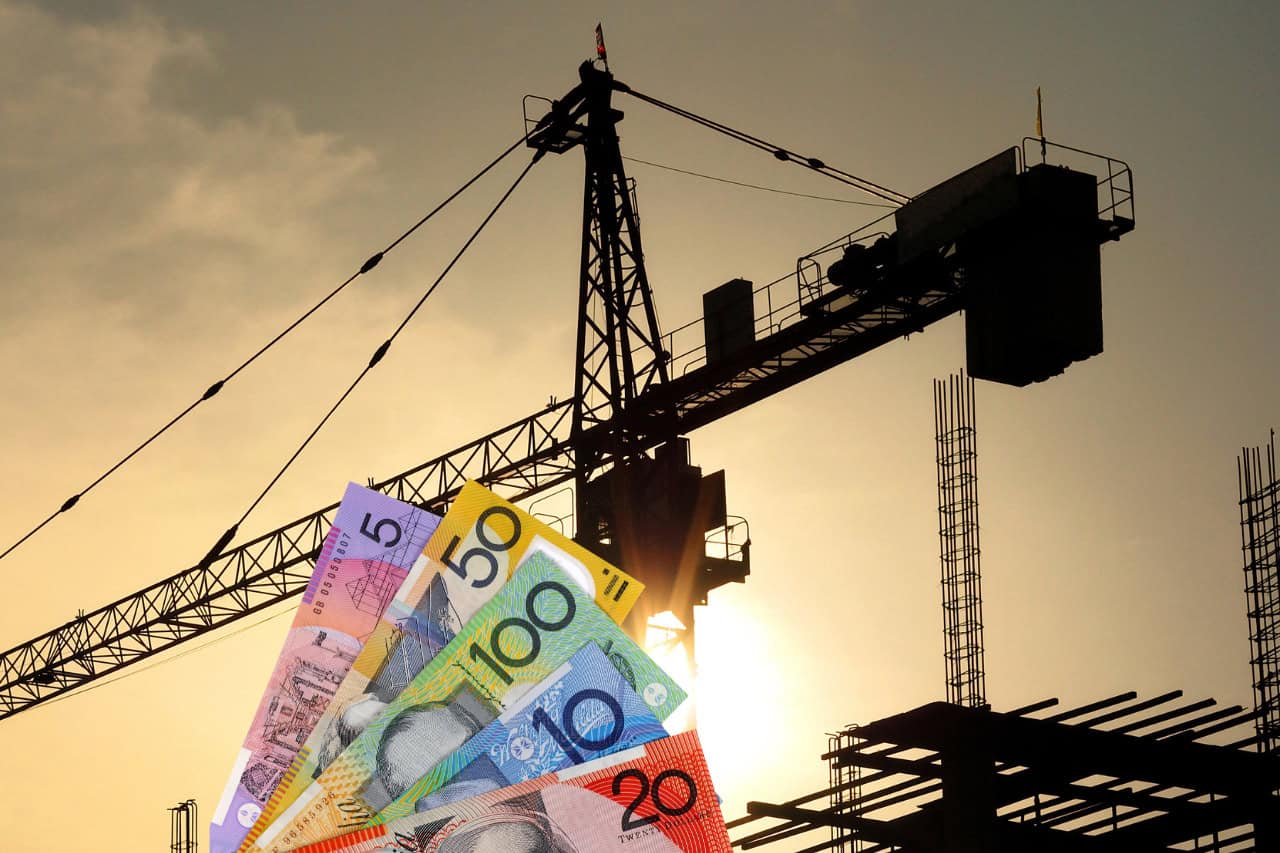

The construction industry has long been considered a pillar of economic growth, providing employment and driving infrastructure development. However, in recent years, the sector has seen a surge in bankruptcies, with many construction companies struggling to stay afloat. In Australia, especially within New South Wales (NSW), several factors are contributing to this alarming trend. This blog explores the reasons behind the rise in construction company bankruptcies and how businesses can safeguard themselves from similar fates.
1. Rising Material Costs
Q: Why are construction materials getting more expensive?
Global supply chain disruptions, inflation, and rising fuel costs have driven up the price of essential building materials such as timber, steel, and concrete. When costs increase, profit margins shrink. Many construction companies enter fixed-price contracts with clients, leaving them unable to pass on the rising material costs. This imbalance often results in significant financial strain and eventual bankruptcy.
Q: Can construction companies protect themselves from fluctuating material prices?
Yes, some companies choose to include “rise and fall” clauses in contracts, allowing for price adjustments if material costs increase. However, this is not always accepted by clients, making it a difficult negotiation point.
2. Labour Shortages and Wage Increases
Q: Why are labour shortages affecting construction companies?
The construction industry in NSW has been hit hard by skilled labour shortages. With fewer workers available, businesses are forced to pay higher wages to attract and retain skilled employees. This leads to a significant increase in operational costs, further squeezing profit margins.
Q: What’s causing the labour shortage?
Factors such as an aging workforce, reduced migration due to the pandemic, and a lack of new talent entering the industry are contributing to the scarcity of skilled workers.
3. Cash Flow Issues
Q: Why is cash flow such a big problem for construction companies?
Construction projects often operate on a progress payment system, where businesses are paid in instalments based on the completion of specific milestones. Delays in payments from clients or issues with invoicing can disrupt cash flow, making it difficult to cover day-to-day expenses such as wages, materials, and subcontractor payments.
Q: How can construction companies improve cash flow?
Better financial management and the use of accounting software like Xero can help construction companies track their cash flow more effectively. Additionally, businesses should prioritise clear payment terms and ensure they have contingency plans in place for delayed payments.
4. Poor Project Management
Q: How does poor project management lead to bankruptcy?
When projects are not managed effectively, it can lead to budget blowouts, missed deadlines, and costly rework. These inefficiencies can eat away at profit margins and lead to significant losses over time. For small to medium-sized construction companies, even one poorly managed project can push them toward financial ruin.
Q: How can construction companies improve project management?
Investing in skilled project managers and using construction-specific project management software can help businesses stay on track, reducing the risk of delays and cost overruns.
5. High Competition and Low Margins
Q: Why are profit margins so low in the construction industry?
The construction sector is highly competitive, with companies often bidding aggressively to win projects. In many cases, businesses cut their margins too thin, leaving little room for unforeseen expenses or market changes. When unexpected costs arise, such as rising material prices or labour shortages, businesses may find themselves operating at a loss.
Q: How can construction companies compete without sacrificing profit margins?
Instead of focusing solely on winning projects through low bids, companies should emphasise quality, reliability, and experience. Offering value-added services and maintaining strong client relationships can help businesses stand out without undercutting their profits.

6. Legal and Regulatory Compliance
Q: What legal and regulatory challenges are construction companies facing?
In NSW, construction companies must comply with a range of regulations, from workplace safety to environmental laws. Non-compliance can result in costly fines, project delays, and damaged reputations. For smaller companies, the financial burden of regulatory penalties can be too much to bear, pushing them into bankruptcy.
Q: How can businesses ensure compliance?
Staying updated with industry regulations and investing in proper training for staff can help businesses avoid legal pitfalls. Consulting with legal experts and accountants can also ensure that all aspects of a business are operating within the law.
7. Economic Downturns and Uncertainty
Q: How does the economy impact construction companies?
Construction is a cyclical industry, meaning it is particularly sensitive to changes in the economy. Economic downturns, interest rate hikes, and reduced government spending on infrastructure can lead to fewer projects and increased competition for the available work.
Q: How can construction companies weather economic uncertainty?
Building a financial buffer during good times can help businesses stay afloat during economic downturns. Diversifying services and targeting different markets, such as residential and commercial projects, can also provide stability during periods of reduced demand.
Safeguard Your Business with Latitude Accountants
The challenges facing construction companies are significant, but they are not insurmountable. With the right financial management and strategic planning, your business can thrive even in challenging times. At Latitude Accountants, we specialise in helping construction companies navigate the complexities of the industry, from cash flow management to compliance and beyond.

Contact Latitude Accountants today to learn how we can help safeguard your construction business from financial risks and position you for long-term success. Let us handle the numbers so you can focus on what you do best—building great projects.
Disclaimer: The information provided in this blog is for general informational purposes only and does not constitute professional advice. We recommend consulting with a qualified accountant or tax professional for advice tailored to your specific situation. Latitude Accountants accepts no liability for any loss or damage caused by reliance on the information contained in this blog.
Free Consultation
Got questions after reading this?
Book a call with our team. We'll walk through your situation and help you understand your options — no obligation.
Book Your Free Consultation*Free for all ABN holders · Limited spots available
Call 1300 706 597What We Do
Chartered accountants who work proactively
Not just at tax time — all year round.
Before You Make a Move
Six times you should call us first
Most costly mistakes happen before the paperwork is signed.
Buying a vehicle
Structure, FBT, and depreciation all need to be right before you sign.
Taking money out
Wages, dividends, or drawings each carry different tax consequences.
Buying property
Who buys it changes your GST, land tax, and CGT position entirely.
Hiring your first employee
Payroll, super, and STP obligations kick in from day one.
Buying or selling a business
You can inherit someone else's tax debt. Know what you're buying first.
Taking on a partner
Equity splits need proper structure upfront. A handshake deal costs more to unwind.
Get In Touch
Stop Guessing. Start Making Better Decisions.
Get clarity on your numbers, your structure, and your next move. Speak directly with our team and walk away knowing exactly where you stand.