
Guides & Resources
Master the Digital Shift: Why AI is Rewriting the Marketing Rulebook for Small Business
Discover how AI is transforming marketing for Australian small businesses.
Learn digital visibility, SEO timelines, and lead generation strategies.
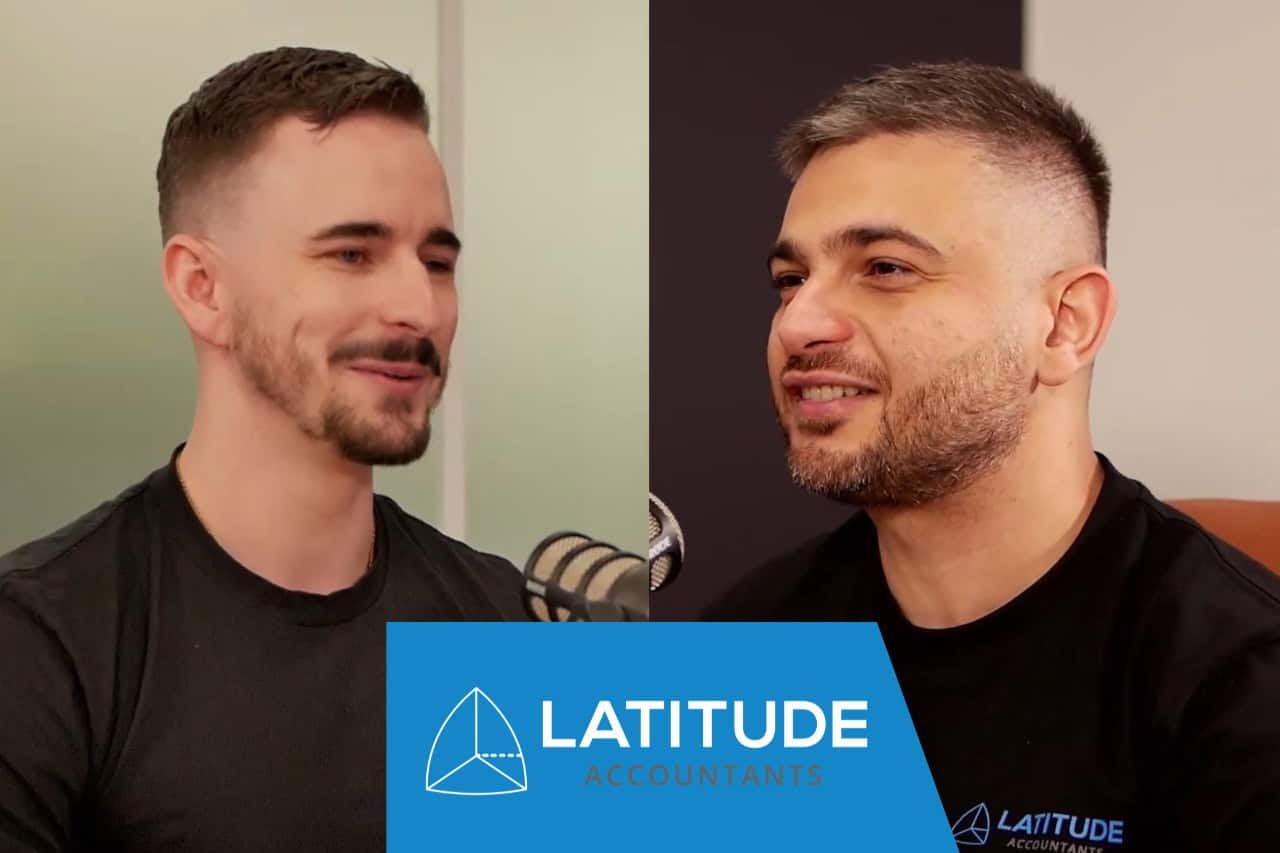

In the fast-paced world of Australian business, the gap between “surviving” and “thriving” is increasingly defined by one thing: your digital presence. In this episode of The Lat Chat, Latitude Accountants’ own Marketing Manager, Nathan Lobb, joined us to pull back the curtain on how modern marketing—and particularly Artificial Intelligence (AI)—is fundamentally changing the journey for small business owners.
Whether you are running a local bakery in Sydney or a professional services firm in Melbourne, the message is clear: the days of being the “best-kept secret” are over. If people cannot find you, review you, or see your social proof online, your lead funnel will eventually run dry.
The Visibility Mandate: Why Every Business Needs to Be Online
There is a common debate among traditional business owners: “I’ve always lived off referrals, so why do I need a website?” While word-of-mouth remains a powerful tool, it is no longer enough to sustain long-term growth in a digital-first economy.
Nathan argues that “visibility” and “online presence” are now synonymous. As a new generation of “digital native” consumers takes over the marketplace, their first instinct is to research. The higher the price of your product or service, the more research they will do. If they find a blank space where your business should be, or a poorly maintained page, they simply won’t trust you.
Traditional Media vs. The Digital Revolution
Traditional mediums like newspapers, radio, and billboards are increasingly viewed as outdated formats. While a typewriter still technically “works,” it is nowhere near as effective as a modern computer.
Digital marketing offers something traditional media never could: total transparency. With platforms like Google Ads, you can track a keyword directly to a page visit and then to a conversion. You can see exactly where a potential client spent time on your site and where they clicked away, allowing you to organise your strategy with mathematical precision.

The AI Explosion: Skills vs. Tools by 2030
Perhaps the most provocative insight from the podcast was the prediction that by 2030, your ability to use AI will be more important than the core skills of your job itself.
Think of it like the evolution of accounting. Centuries ago, accountants used physical ledgers; today, they use sophisticated software. You could technically still do accounting with a pencil and paper, but you would be hopelessly out-competed by someone using a computer. AI is the next iteration of this technological leap.
AI tools are already being used to:
- Generate Content: Turning complex ideas into engaging blog posts or social updates.
- Automate Processes: Handling repetitive tasks so you can focus on high-level strategy.
- Brainstorm Ideas: Using platforms like ChatGPT to overcome creative blocks and develop unique marketing angles.
For the modern business owner, the programme for success involves embracing these tools early. You don’t need to be a computer scientist, but you do need to understand how to leverage AI to colour your brand’s story and reach your audience more efficiently.
The Zero-Budget Grind: Building a Business for $0
Many small business owners feel paralysed because they don’t have a massive marketing budget. However, Nathan points out that if you don’t have money, you likely have time—and time is a powerful currency in the digital world.
There is a wealth of free tools available to help you build a professional presence from scratch:
- Google Ecosystem: Use Google Sites for free hosting and websites, and Google Business Profile to show up in local searches.
- Social Media: Platforms like Facebook, Instagram, TikTok, and LinkedIn cost nothing to join and offer a direct line to your audience.
- Design Tools: Use the free version of Canva or AI image generators to create professional logos and graphics.
- Networking: Join free online communities or attend local chamber events to meet potential collaborators.
The fastest way to get leads if you do have a budget, is Google Ads. But if you’re starting with nothing, consistent content creation—like filming a daily video of your “business journey”—can build a viral following over time.
Strategy: The Balance of Education and Entertainment
A successful business strategy shouldn’t just be one-dimensional. Nathan emphasises that your content needs a mix of two things:
- Educational Content: Helping your audience understand their numbers, manage tax, and navigate their business journey.
- Entertaining Content: Engaging your audience so they actually want to follow your brand.
By 2030, the business owners who thrive will be those who “do the thing” rather than just studying it. Whether it’s starting a cadetship in accounting or testing out a marketing agency for six months, real-world execution beats a theoretical degree every time. This practical approach is at the centre of a resilient business model.
The Trust Factor: Awards and Social Proof
Finally, building trust is about more than just what you say about yourself; it’s about what others say about you. Applying for industry awards is a powerful way to build “no, like, and trust.”
Even if you don’t win, being a finalist provides a badge of credibility that stays on your website forever. It acts as a third-party endorsement that helps a hesitant customer cross the finish line. In the Australian market, where community and reputation are everything, these small trust signals make a massive difference to your bottom line.

Frequently Asked Questions
What is the fastest way to get new business leads?
If you have a budget, Google Ads is the most effective platform for immediate results. It allows for exact keyword targeting and full conversion tracking. If you have no budget, focus on daily content creation and joining free online business communities.
Should I delete negative comments on my social media?
Generally, no. It’s often better to let people use their words to communicate how they feel. However, if comments become irrationally negative or cross a professional line, turning off comments or removing them may be necessary to protect your brand integrity.
Is a university degree necessary for marketing or business?
While some professions like law or medicine strictly require degrees, many fields like marketing value experience more. Often, a degree acts as an “ID card” to get you in the room, but your actual skills and portfolio close the deal.
How long does it take to see results from SEO?
SEO is a long-term play. Generally, you should expect to see a shift from “not existing” to “appearing on the first page” within three to six months, depending on how competitive your specific industry and local area are.
Do marketing laws change across Australia?
While digital marketing is generally governed by federal Australian laws (like the Spam Act), specific business requirements like Payroll Tax, Land Tax, or Stamp Duty vary between states and territories. Always check your local jurisdiction’s requirements.
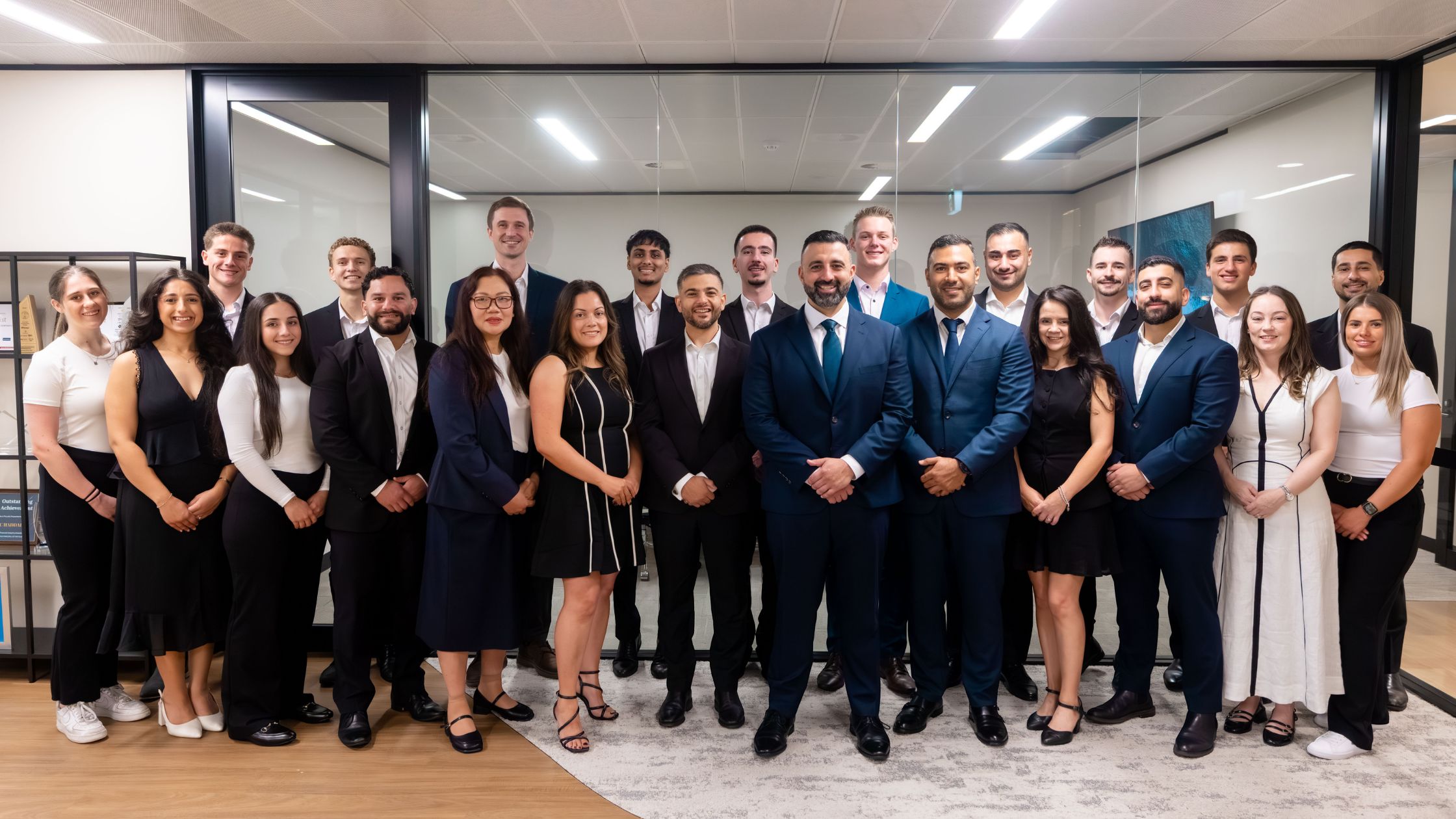
Ready to Scale Your Business?
Navigating the intersection of tax, numbers, and growth strategy can be daunting. Don’t leave your success to chance. Contact the expert team at Latitude Accountants today for strategic accounting and business advice tailored to your specific situation. Let us help you manage the “boring” numbers so you can focus on the “fun” growth.
- Phone: 1300706597
- Email: info@latitudeaccountants.com.au
- Book online via our website.
- Sydney Olympic Park | Marrickville | Melbourne | Loxton
Disclaimer
The information provided in this blog post is general in nature and does not constitute personal financial or tax advice. Laws and policies, such as Stamp Duty, Payroll Tax, or Land Tax, can vary significantly between Australian states and territories. Readers should seek professional advice regarding their specific circumstances before making any financial decisions.
Free Consultation
Got questions after reading this?
Book a call with our team. We'll walk through your situation and help you understand your options — no obligation.
Book Your Free Consultation*Free for all ABN holders · Limited spots available
Call 1300 706 597What We Do
Chartered accountants who work proactively
Not just at tax time — all year round.
Before You Make a Move
Six times you should call us first
Most costly mistakes happen before the paperwork is signed.
Buying a vehicle
Structure, FBT, and depreciation all need to be right before you sign.
Taking money out
Wages, dividends, or drawings each carry different tax consequences.
Buying property
Who buys it changes your GST, land tax, and CGT position entirely.
Hiring your first employee
Payroll, super, and STP obligations kick in from day one.
Buying or selling a business
You can inherit someone else's tax debt. Know what you're buying first.
Taking on a partner
Equity splits need proper structure upfront. A handshake deal costs more to unwind.
Get In Touch
Stop Guessing. Start Making Better Decisions.
Get clarity on your numbers, your structure, and your next move. Speak directly with our team and walk away knowing exactly where you stand.