
Guides & Resources
How to Get a Bigger Tax Refund This Year: Tax Deductions Every Australian Should Know
Discover how to get a bigger tax refund this year.
Learn the tax deductions Australians can claim, common mistakes to avoid, and ATO rules.

When tax time arrives, one of the most common questions Australians ask is, “What can I actually claim?” While there are many legitimate tax deductions available, claiming expenses incorrectly can lead to adjustments, delayed refunds, or even scrutiny from the Australian Taxation Office (ATO). Understanding the rules before lodging your tax return is one of the best ways to maximise your refund while remaining fully compliant.
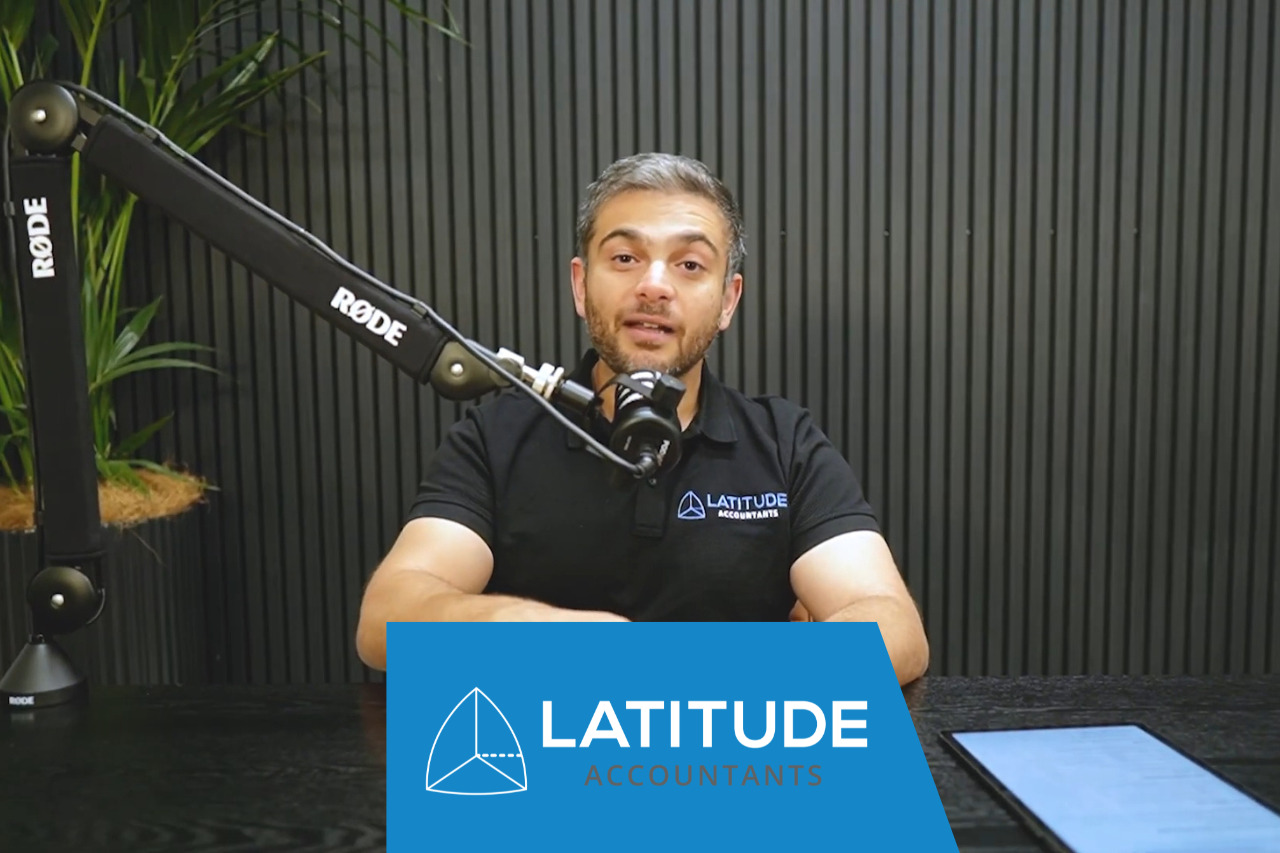
In this guide, Jacob Fahmy, Client Director at Latitude Accountants, breaks down the most common tax deductions available to Australian employees and explains the three golden rules that determine whether an expense is tax-deductible. From car expenses and work-related travel to self-education, working from home, and professional fees, Jacob provides practical insights to help taxpayers understand what they may be entitled to claim.
Whether you’re preparing your own tax return or simply want to understand better how the Australian tax system works, this guide offers a straightforward overview of the key deduction categories and the common mistakes to avoid. By keeping accurate records and following the ATO’s requirements, you can confidently claim the deductions you’re entitled to and make tax time far less stressful.
The Three Golden Rules for Tax Deductions
Before considering any deduction, every expense should satisfy these three fundamental rules.
1. The Expense Must Help You Earn Income
There must be a direct connection between the expense and your current employment or income-producing activities.
For example, purchasing a laptop required to perform your job may qualify as a deductible expense based on your work-related use.
2. You Need Evidence
In most situations, you’ll need receipts or other supporting records.
As Jacob explains:
- Keep receipts whenever possible.
- Maintain records of work-related usage.
- Store invoices digitally to make tax time easier.
Generally speaking, no receipt means no deduction, although limited exceptions may apply.
3. You Must Pay the Expense Yourself
If your employer reimburses you for an expense, you generally cannot claim it as a tax deduction because you were not personally out of pocket.

Motor Vehicle Expenses
Car expenses are often among the largest work-related deductions available, but only qualifying travel can be claimed.
Travel Between Home and Work
Regular commuting between home and your normal workplace is not deductible.
However, travel during your workday may qualify, including:
- Visiting clients
- Travelling between worksites
- Business-related trips during work hours
Two Ways to Claim Car Expenses
Cents Per Kilometre Method
This method is ideal for employees with relatively straightforward business travel.
Features include:
- No fuel receipts required
- Based on a reasonable estimate
- Maximum 5,000 business kilometres
- Requires records showing how the estimate was calculated
Logbook Method
If you use your vehicle extensively for work, the logbook method may provide a larger deduction.
You’ll need:
- A valid 12-week logbook
- Odometer readings
- Business and private travel records
- Receipts for fuel, insurance, registration, servicing and other vehicle costs
Your deductible percentage is calculated using your business-use percentage.
Work-Related Travel Expenses
If you travel away from your normal workplace for work purposes, certain expenses may be deductible.
These may include:
- Flights
- Accommodation
- Taxi or rideshare fares
- Public transport
- Meals (where eligible)
If your trip combines business and personal activities, you must apportion your expenses accordingly.
Jacob also notes that if you travel for more than six nights, the ATO generally expects you to keep a travel diary or journal.
Clothing, Uniforms and Laundry
Not every item of clothing worn to work qualifies as a deduction.
Generally Deductible
You may claim:
- Registered work uniforms
- Employer-branded uniforms
- Protective clothing
- Occupation-specific clothing
- Laundry and dry-cleaning costs for eligible work clothing
Common Mistake
Many employees believe business attire is deductible.
Unfortunately, clothing such as:
- Business suits
- Black pants
- Black shirts
- Standard office wear
is generally not deductible, even if your employer requires you to wear it, because it can also be worn outside work.
Self-Education Expenses
Education can be deductible when it directly relates to your current employment.
Examples include courses that:
- Improve existing skills
- Help you perform your current role
- Increase income within your existing profession
However, education undertaken to qualify for a future career is generally not deductible.
Jacob also highlights that the ATO requires a clear connection between the course and your current income, not simply personal development or general career improvement.
Other Work-Related Expenses
Many common deductions fall into the “other work-related expenses” category.
These may include:
- Phone expenses
- Internet costs
- Work-from-home expenses
- Professional memberships
- Union fees
- Work-related subscriptions
- Small tools and equipment
Always keep evidence supporting both the purchase and the work-related percentage claimed.
Working From Home Claims
Working remotely has become common across many industries, but work-from-home deductions still require proper records.
You may choose the method that best suits your circumstances, depending on current ATO rules.
Phone and Internet Method
You can claim the work-related percentage of:
- Mobile phone bills
- Home internet
- Other communication costs
You’ll need to calculate the proportion genuinely used for work.
Fixed Rate Method
If you regularly work from home, you may instead use the ATO’s applicable fixed hourly rate where eligible.
Regardless of the method chosen, maintaining accurate records of your working hours remains essential.
Depreciation of Work Assets
Items purchased for work are treated differently depending on their cost.
Assets Under $300
Generally, items costing less than $300 can be claimed immediately, subject to work-related use.
Examples include:
- Small tools
- Computer accessories
- Office equipment
Assets Over $300
More expensive assets must usually be depreciated over their effective life.
Common examples include:
- Laptops
- Computers
- Professional equipment
Your deduction is also adjusted according to your business or work-use percentage.
Professional Fees, Donations and Other Tax Deductions
Several additional deductions are commonly overlooked.
These include:
Professional Fees
- Professional memberships
- Registration fees
- Accreditation costs
Gifts and Donations
Donations may be deductible if:
- The organisation is a Deductible Gift Recipient (DGR)
- You receive no material benefit
- You retain your receipt
Accountant Fees
Fees paid to prepare or manage your tax affairs are generally tax deductible.
Personal Super Contributions
Personal concessional super contributions may be deductible if you’ve submitted a valid Notice of Intent to Claim and received confirmation from your super fund.
Income Protection Insurance
Premiums paid personally for income protection insurance are generally deductible.
However, life insurance and trauma insurance are typically not deductible.
Avoid These Common Tax Return Mistakes
Jacob highlights several errors taxpayers frequently make:
- Claiming home-to-work travel
- Claiming ordinary business clothing
- Claiming education unrelated to current income
- Claiming work-from-home expenses without records
- Claiming personal super contributions without lodging a Notice of Intent
- Claiming reimbursed expenses
Understanding these common mistakes can help reduce the risk of ATO review.
Use the ATO Industry Guides
One of Jacob’s biggest recommendations is to use the ATO’s industry-specific occupation guides.
These resources explain:
- Common deductions for your occupation
- Industry-specific rules
- Expenses that are commonly accepted
- Items that cannot be claimed
They’re an excellent starting point before lodging your return.

Frequently Asked Questions About Australian Tax Deductions
Can I claim travel from home to work?
No. Ordinary commuting between your home and regular workplace is generally not deductible.
Can I claim work clothes?
Only eligible uniforms, protective clothing or occupation-specific clothing generally qualify.
Do I need receipts?
In most cases, yes. Receipts and supporting records are essential for substantiating your claims.
Can I claim my home internet?
Yes, but only the portion genuinely used for earning your employment income.
Are accountant fees tax deductible?
Yes. Fees paid for managing your tax affairs are generally deductible.

Maximise Your Tax Return with Latitude Accountants
Understanding what you can legally claim is only part of preparing an accurate tax return. Working with an experienced accountant can help ensure you maximise legitimate deductions while remaining fully compliant with ATO requirements.
If you’d like professional advice tailored to your circumstances, the team at Latitude Accountants is here to help.
Latitude Accountants
📍 Sydney Olympic Park | Marrickville | Melbourne | Loxton
📞 1300 706 597
📧 info@latitudeaccountants.com.au
Book a consultation with Latitude Accountants and receive practical, proactive advice designed to help you achieve the best possible outcome at tax time.
Disclaimer
This article is intended for general information only and does not constitute taxation, accounting, financial or legal advice. Tax outcomes vary depending on individual circumstances. Before making financial decisions or lodging your tax return, speak with a qualified Chartered Accountant or registered tax adviser.
Free Consultation
Got questions after reading this?
Book a call with our team. We'll walk through your situation and help you understand your options — no obligation.
Book Your Free Consultation*Free for all ABN holders · Limited spots available
Call 1300 706 597What We Do
Chartered accountants who work proactively
Not just at tax time — all year round.
Before You Make a Move
Six times you should call us first
Most costly mistakes happen before the paperwork is signed.
Buying a vehicle
Structure, FBT, and depreciation all need to be right before you sign.
Taking money out
Wages, dividends, or drawings each carry different tax consequences.
Buying property
Who buys it changes your GST, land tax, and CGT position entirely.
Hiring your first employee
Payroll, super, and STP obligations kick in from day one.
Buying or selling a business
You can inherit someone else's tax debt. Know what you're buying first.
Taking on a partner
Equity splits need proper structure upfront. A handshake deal costs more to unwind.
Get In Touch
Stop Guessing. Start Making Better Decisions.
Get clarity on your numbers, your structure, and your next move. Speak directly with our team and walk away knowing exactly where you stand.