
Guides & Resources
How Can I Claim My Tax Return in Australia?
Maximise 2026 tax savings.
Claim deductions, home office, car, study & more. Expert guidance from a trusted Chartered firm.
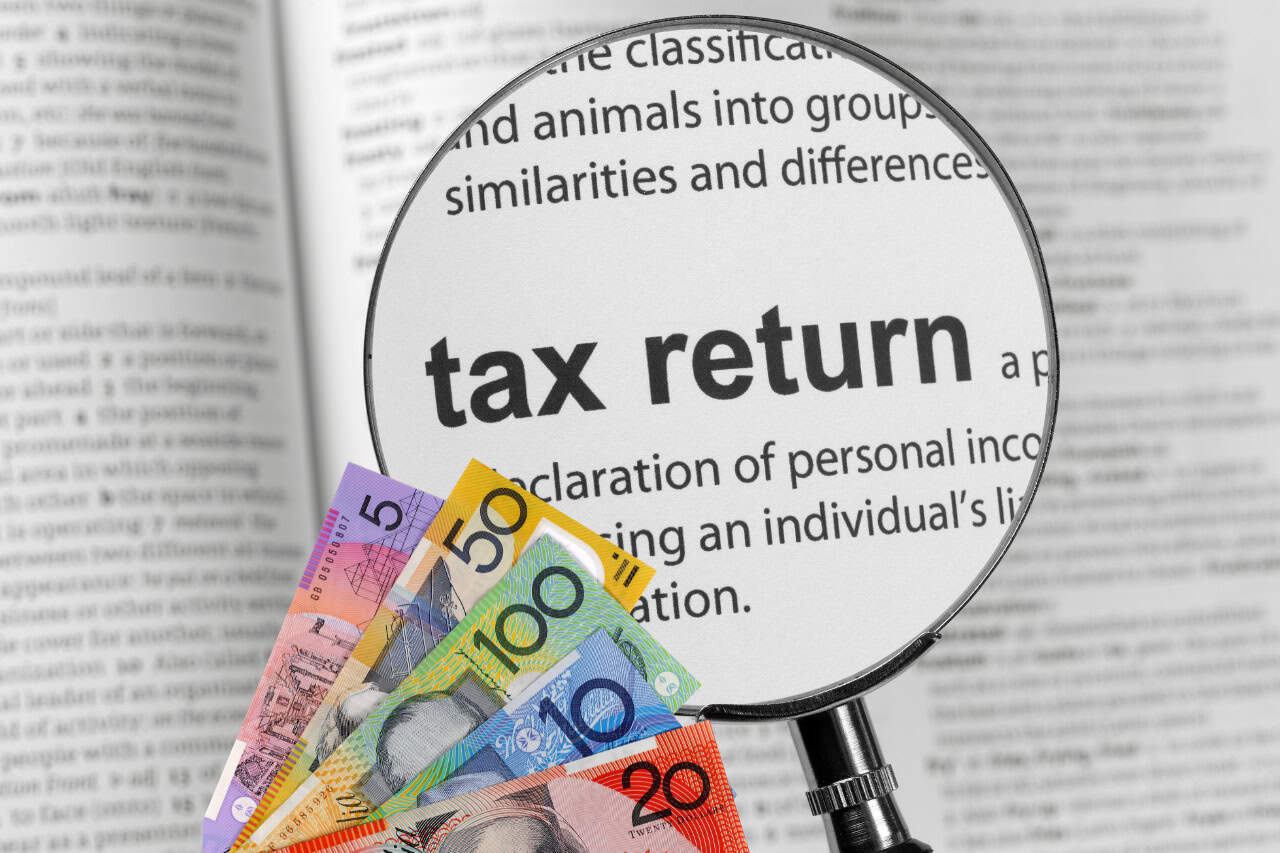

Tax time can be confusing, especially if you’re unsure how to lodge your return or what deductions you’re actually entitled to. Whether you’re an employee, freelancer, or small business owner, understanding the tax return process and claiming correctly can make a significant difference to your refund—and your peace of mind.
At Latitude Accountants, we work with individuals and businesses across Australia to simplify tax, maximise returns, and ensure full compliance with the ATO. If you want to take the guesswork out of tax time, this guide is the perfect starting point.
What Is a Tax Return?
A tax return is a report you submit each financial year to the Australian Taxation Office (ATO). It includes your income, allowable deductions, and any tax you’ve already paid. The ATO reviews this information and determines whether you are owed a refund or required to pay additional tax.
How Do I Claim My Tax Return in Australia?
There are three main ways to lodge your tax return:
1. Lodge Online via myGov
You can link your myGov account to the ATO and use the myTax system to submit your return. Many of your income details will be pre-filled, making the process easier. However, it’s your responsibility to check that the information is complete and accurate.
2. Use a Registered Tax Agent
A registered tax agent—like Latitude Accountants—can prepare and lodge your return on your behalf. We ensure all eligible deductions are claimed, errors are avoided, and lodgement deadlines are met. Engaging a tax agent also gives you access to extended lodgement deadlines, well beyond the standard 31 October cut-off.
3. Lodge a Paper Return
While still an option, paper returns are manual, slower to process, and not recommended unless absolutely necessary.
When Should I Lodge My Tax Return?
Tax returns for the previous financial year can be lodged from 1 July. If you’re lodging your own return, the deadline is 31 October. If you choose to work with a registered tax agent like Latitude Accountants, you may be eligible for an extended deadline—provided you engage us before 31 October.

What Can I Claim on Tax?
You can claim expenses that are directly related to earning your income, provided the expense wasn’t reimbursed and you have documentation to prove it.
Common Deductible Expenses:
- Work uniforms and protective clothing
- Home office running costs
- Tools, technology, and equipment used for work
- Work-related car travel (excluding commuting)
- Self-education and training linked to your current role
- Professional memberships and union fees
- Tax agent fees (including fees paid to Latitude Accountants)
Q: Can I claim work clothes?
A: Only if they are protective gear or a registered uniform with a company logo. General work attire is not deductible.
Can I Claim My Car on Tax?
You can claim car expenses if the vehicle is used for work-related travel (excluding normal commuting). There are two ways to do this:
Cents Per Kilometre Method
- Claim up to 5,000 work-related kilometres per year at the ATO’s set rate (currently 85 cents/km).
- You must be able to show how the distance was calculated.
Logbook Method
- Track usage over 12 weeks to calculate your business-use percentage.
- Claim a portion of fuel, maintenance, insurance, registration, and depreciation.
Latitude Accountants can help you determine the most effective method based on your work situation.
Can I Claim Home Office Expenses?
Yes, particularly if you work from home regularly. You can claim:
- Electricity and gas
- Internet and phone usage (proportional to business use)
- Depreciation of office furniture and equipment
- Cleaning costs for your dedicated workspace
The ATO offers a fixed rate method (67 cents/hour for 2023–24 onwards) or the actual cost method. Latitude can guide you on which option delivers the best result for your return.
Can I Claim Study and Course Fees?
If you undertake study or training that directly relates to your current employment, you can claim:
- Course fees (if not reimbursed)
- Textbooks, subscriptions, and stationery
- Depreciation of computers or other equipment
- Internet usage
- Travel between your workplace and place of study
However, study for a new career or unrelated qualification is not deductible.
What Can’t I Claim?
The ATO has clear guidelines on what you can’t claim. These include:
- Commuting to and from work
- Non-branded clothing
- Personal expenses
- Meals, unless you’re travelling overnight for work
- Entertainment, gifts, or fines
Incorrect claims can trigger penalties or audits, so it’s essential to understand the rules—or work with someone who does.

What Records Do I Need?
To support your claims, you’ll need to keep:
- Receipts and invoices
- Bank statements
- Logbooks for car or home office expenses
- Proof of course enrolment and completion
You must retain your records for five years. Latitude Accountants uses digital systems to help clients track and store expenses securely and efficiently.
How Can I Maximise My Tax Return?
- Maintain digital records throughout the year
- Use separate accounts for business and personal expenses
- Log car and home office use accurately
- Time major purchases to align with the financial year
- Review your claims annually with a professional
Do I Need a Tax Agent?
While you can lodge your return yourself, working with a registered tax agent like Latitude Accountants significantly reduces your risk of errors and missed deductions.
We don’t just lodge your return—we look for ways to help you:
- Minimise tax legally
- Maximise deductions
- Stay compliant with ATO regulations
- Plan for future tax effectiveness
We work with everyone from first-time employees to growing businesses, providing tailored, ongoing advice.

Speak to Latitude Accountants Today
Tax doesn’t need to be stressful. At Latitude Accountants, we specialise in helping everyday Australians and businesses take control of their tax returns. With expert guidance, sharp attention to detail, and an in-depth understanding of ATO requirements, we ensure you claim everything you’re entitled to—nothing more, nothing less.
Whether you’re lodging this year’s return, need to amend a previous one, or want proactive tax planning for the future, our team is ready to help.
Contact Latitude Accountants today for personalised, professional, and proactive support with your tax return. Let’s make this year your most efficient and stress-free tax season yet.
📞 Contact Latitude Accountants
📧 info@latitudeaccountants.com.au
🌐 www.latitudeaccountants.com.au
Disclaimer
This article is general information only and does not constitute tax or financial advice. Always consult a registered tax professional for personalised guidance.
Free Consultation
Got questions after reading this?
Book a call with our team. We'll walk through your situation and help you understand your options — no obligation.
Book Your Free Consultation*Free for all ABN holders · Limited spots available
Call 1300 706 597What We Do
Chartered accountants who work proactively
Not just at tax time — all year round.
Before You Make a Move
Six times you should call us first
Most costly mistakes happen before the paperwork is signed.
Buying a vehicle
Structure, FBT, and depreciation all need to be right before you sign.
Taking money out
Wages, dividends, or drawings each carry different tax consequences.
Buying property
Who buys it changes your GST, land tax, and CGT position entirely.
Hiring your first employee
Payroll, super, and STP obligations kick in from day one.
Buying or selling a business
You can inherit someone else's tax debt. Know what you're buying first.
Taking on a partner
Equity splits need proper structure upfront. A handshake deal costs more to unwind.
Get In Touch
Stop Guessing. Start Making Better Decisions.
Get clarity on your numbers, your structure, and your next move. Speak directly with our team and walk away knowing exactly where you stand.