
Guides & Resources
Small Business Owners Are Feeling the Pressure: 7 Financial Steps to Protect Your Business in 2026
Rising costs and economic uncertainty are pressuring Australian SMEs.
Discover seven financial steps to protect cash flow and strengthen your business.


Running a small business in Australia is becoming increasingly challenging. Between rising operating costs, interest rate uncertainty, weaker consumer confidence and concerns about a potential economic slowdown, business owners have plenty to think about heading into 2027.
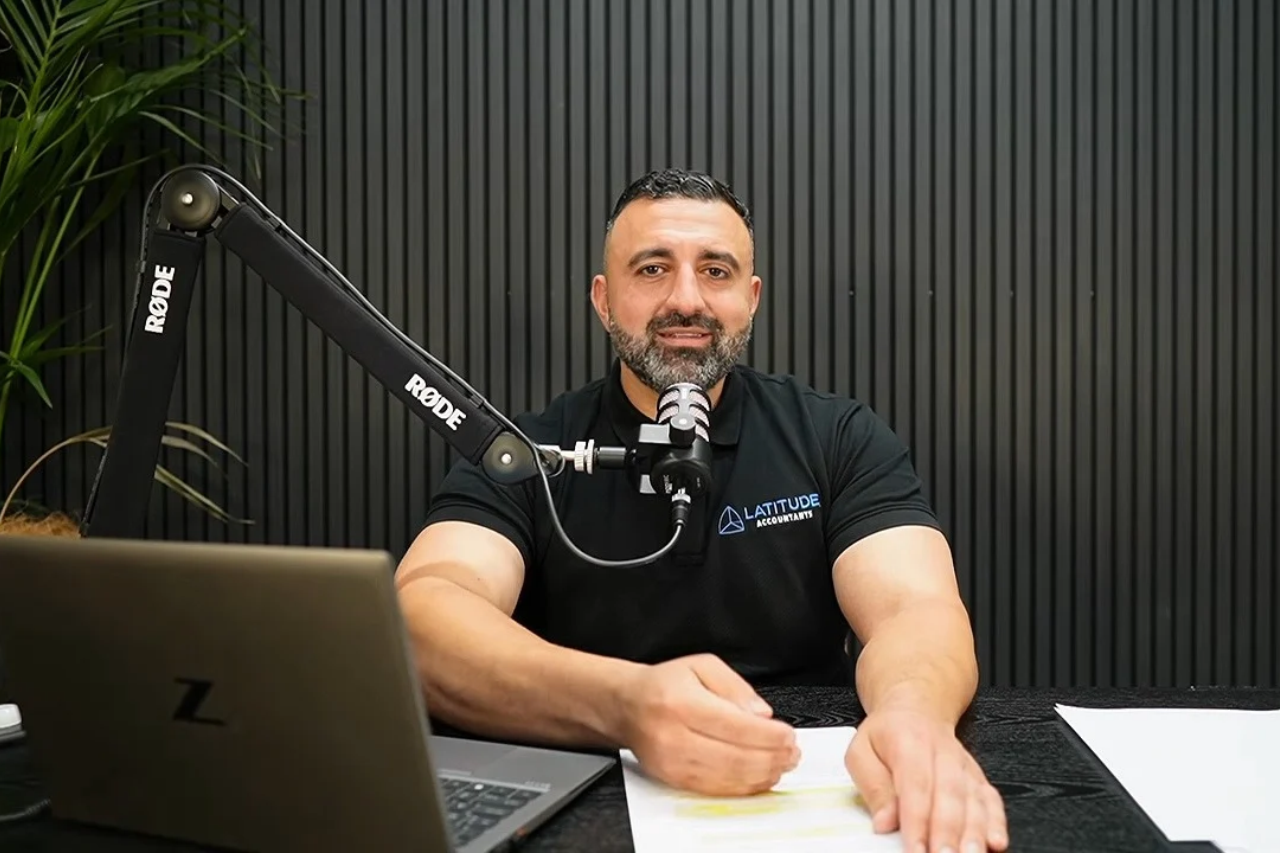
In this episode of The CEO Breakdown, John Saade, CEO of Latitude Accountants, examines several warning signs emerging across the Australian economy, including declining property demand, major corporate workforce reductions and growing financial pressure on businesses.
While these developments may be outside an individual business owner’s control, John emphasises an important principle: understanding your numbers and making proactive financial decisions can help protect your business during uncertain economic conditions.
Whether you operate a construction company, retail store, professional services firm or another Australian small business, here are seven practical financial steps worth prioritising before the year ends.
Why Are Australian Small Businesses Under Financial Pressure?
Australian businesses are navigating several economic challenges simultaneously.
Higher borrowing costs can increase loan repayments, while persistent operating expenses continue to affect profitability.
At the same time, households experiencing mortgage pressure or employment uncertainty may reduce discretionary spending, potentially affecting businesses that depend on consumer demand.
During The CEO Breakdown, John highlights several developments worth monitoring:
- Falling residential property buyer enquiries.
- Financial difficulties across the construction sector.
- The possibility of further interest rate increases.
- Major corporate restructuring and job reductions.
- Concerns about Australia’s economic outlook heading into 2027.
These developments do not guarantee a recession. However, they reinforce why small businesses should regularly review their financial position rather than waiting for economic conditions to improve.

1. Get Your Bookkeeping Up to Date
Accurate bookkeeping is the foundation of effective business financial management.
If your accounting records are several months behind, it becomes difficult to understand how much money your business is earning, spending or actually retaining.
John regularly emphasises the importance of keeping accounting systems such as Xero updated.
Reliable financial records allow business owners to monitor:
- Sales and operating expenses.
- Outstanding customer invoices.
- Supplier payments.
- Business profitability.
- GST and other tax liabilities.
- Available cash.
Rather than relying exclusively on your bank balance, use accurate financial reports to understand how your business is performing.
2. Prepare a Cash-Flow Forecast
A profitable business can still experience serious financial difficulties if it cannot meet its payment obligations when they fall due.
This is why cash-flow forecasting is particularly important during periods of economic uncertainty.
A cash-flow forecast estimates how much money your business expects to receive and spend over a specific period.
It should include expected customer payments, payroll expenses, supplier invoices, loan repayments and upcoming tax obligations.
Consider Different Financial Scenarios
Rather than preparing a forecast based exclusively on expected sales, consider what would happen if revenue declined.
For example, review how your business would respond to:
- A 10% reduction in monthly sales.
- A major customer delaying payment.
- Higher loan interest expenses.
- An unexpected equipment repair.
- A temporary interruption to business operations.
Scenario planning can help identify potential funding shortages before they become urgent.
3. Review Your Business Expenses and Profit Margins
When economic conditions become difficult, understanding where your money goes is essential.
Review recurring expenses and identify costs that may no longer deliver sufficient value.
These might include underused software subscriptions, inefficient operating processes or unnecessary administrative expenditure.
However, reducing expenses should not automatically mean cutting essential services, staff or activities that generate revenue.
The objective is to improve financial efficiency without compromising the long-term sustainability of your business.
Know Which Products or Services Are Profitable
Revenue alone does not tell the full story.
A business generating strong sales may still struggle financially if its operating expenses consume most of its income.
Regular profitability reviews can help determine whether your pricing remains appropriate and which areas of your business contribute most effectively to overall performance.
4. Stay Ahead of Your Tax and Superannuation Obligations
Tax planning should be an ongoing business activity rather than something addressed only when a payment deadline approaches.
One concern John frequently raises is business owners spending money that should have been reserved for their taxation commitments.
Depending on your business circumstances, these may include:
- Goods and Services Tax (GST).
- Pay As You Go (PAYG) withholding.
- Income tax.
- PAYG instalments.
- Employee superannuation contributions.
- Other applicable business tax obligations.
Understanding your liabilities and payment dates can help prevent unexpected cash-flow pressure.
Working with an accountant throughout the financial year also provides opportunities to review your tax position and prepare for upcoming commitments.
5. Review Your Business Loans and Borrowing Costs
Interest rate uncertainty remains an important consideration for Australian businesses carrying debt.
During the episode, John discusses the possibility of further RBA monetary tightening and its potential consequences for households and businesses.
Higher interest expenses can reduce available working capital, particularly for businesses relying on variable-rate loans.
Review your existing financial commitments, including:
- Outstanding loan balances.
- Current interest rates.
- Monthly repayment obligations.
- Fixed versus variable borrowing arrangements.
- Upcoming refinancing requirements.
Before taking on additional debt, assess whether your expected business returns justify the associated borrowing costs.
A cash-flow forecast can also help determine whether existing repayment commitments remain manageable if revenue weakens.
6. Reassess Your Business Structure and Financial Risks
As businesses grow and economic conditions change, their original operating arrangements may no longer be appropriate.
Depending on your circumstances, it may be worth reviewing whether your existing sole trader, partnership, company or trust structure continues to support your objectives.
A business structure review may consider taxation, asset protection, administrative responsibilities and future growth plans.
However, restructuring can create legal and taxation consequences, so professional advice is essential before making changes.
Reduce Financial Exposure Where Possible
Business owners should also consider risks associated with:
- Relying heavily on one major customer.
- Maintaining insufficient working capital.
- Carrying excessive business debt.
- Operating without appropriate insurance.
- Failing to monitor overdue customer invoices.
Identifying these vulnerabilities early can help businesses make more informed financial decisions.
7. Work with a Proactive Accountant Before Problems Escalate
One of John’s strongest messages is that business owners should not wait until they are experiencing financial difficulties before seeking professional support.
An accountant should do more than prepare annual tax returns.
Proactive accounting and business advisory services can help owners understand their financial position, identify potential risks and plan for future opportunities.
At Latitude Accountants, this may involve assistance with:
- Financial reporting and bookkeeping.
- Cash-flow forecasting.
- Business budgeting.
- Tax planning and compliance.
- Business structure reviews.
- Profitability and performance assessments.
Having accurate financial information and professional guidance can make a meaningful difference when business conditions become unpredictable.
Why Financial Preparation Matters Heading into 2027
No business owner can predict exactly how Australia’s economy will perform over the coming year.
Property market conditions, inflation, interest rates and employment trends will continue influencing the operating environment.
However, businesses that understand their numbers are generally better positioned to evaluate financial challenges and respond appropriately.
John’s advice is straightforward: focus on the decisions within your control.
Maintaining accurate records, monitoring cash flow, managing expenses and planning for financial obligations are practical measures that remain valuable regardless of whether Australia’s economy strengthens or slows.
Frequently Asked Questions About Protecting Your Small Business Finances
What is the most important financial priority for small businesses in 2026?
Maintaining accurate financial records and understanding business cash flow are essential starting points. These provide the information needed to make informed financial decisions.
How can small businesses prepare for a possible economic downturn?
Review operating expenses, prepare cash-flow forecasts, manage outstanding debt, maintain financial reserves where possible and stay ahead of tax obligations.
How often should business owners review their financial performance?
Monthly financial reviews are useful for many businesses. However, businesses experiencing cash-flow pressure may benefit from more frequent monitoring.
How can an accountant help protect a small business?
An accountant can assist with tax planning, budgeting, financial reporting, cash-flow forecasting and identifying potential financial risks before they become more difficult to manage.

Protect Your Business Finances with Latitude Accountants
Economic uncertainty makes proactive financial management more important than ever.
At Latitude Accountants, we help Australian small business owners understand their numbers, manage financial obligations and make informed decisions through practical accounting and business advisory services.
Whether you need help improving cash flow, preparing for tax payments, reviewing your business structure or planning for 2027, our experienced team is here to support you.
Get a FREE consultation for ABN holders.
📍 Sydney Olympic Park | Marrickville | Melbourne | Loxton | Adelaide
📞 1300 706 597
📧 info@latitudeaccountants.com.au
Disclaimer
This article provides general information only and does not constitute financial, tax, accounting, legal, lending, investment or business advice. Economic forecasts and market conditions are subject to change. The financial strategies discussed may not be appropriate for every business. Seek advice from a qualified professional regarding your individual circumstances before making significant financial, taxation or business decisions.
Free Consultation
Got questions after reading this?
Book a call with our team. We'll walk through your situation and help you understand your options — no obligation.
Book Your Free Consultation*Free for all ABN holders · Limited spots available
Call 1300 706 597What We Do
Chartered accountants who work proactively
Not just at tax time — all year round.
Before You Make a Move
Six times you should call us first
Most costly mistakes happen before the paperwork is signed.
Buying a vehicle
Structure, FBT, and depreciation all need to be right before you sign.
Taking money out
Wages, dividends, or drawings each carry different tax consequences.
Buying property
Who buys it changes your GST, land tax, and CGT position entirely.
Hiring your first employee
Payroll, super, and STP obligations kick in from day one.
Buying or selling a business
You can inherit someone else's tax debt. Know what you're buying first.
Taking on a partner
Equity splits need proper structure upfront. A handshake deal costs more to unwind.
Get In Touch
Stop Guessing. Start Making Better Decisions.
Get clarity on your numbers, your structure, and your next move. Speak directly with our team and walk away knowing exactly where you stand.