
Guides & Resources
Do I Need to Register for GST?
Maximise 2026 tax compliance.
Learn GST registration rules, thresholds, common mistakes, and tips for businesses. Expert guidance from a trusted Chartered firm.
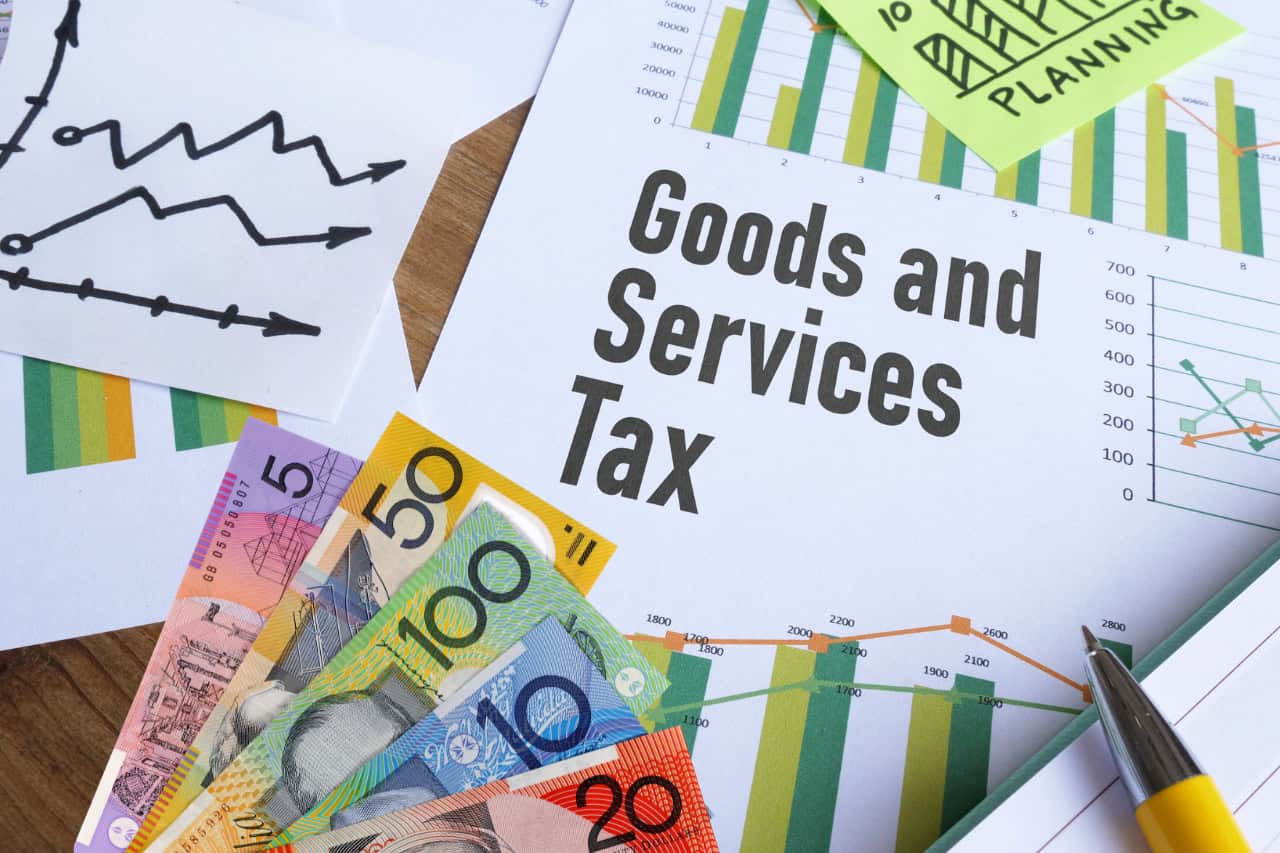
If you’re running a business in Australia, one of the most common questions is: “Do I need to register for GST?” Whether you’re a sole trader, contractor, small business owner or freelancer, understanding GST (Goods and Services Tax) is essential to staying compliant and avoiding costly penalties.
In this guide, we’ll break down everything you need to know—thresholds, rules, timing, common errors and how to stay on top of it all.
What is GST?
GST (Goods and Services Tax) is a broad-based tax of 10% on most goods, services and other items sold or consumed in Australia.
If your business is registered for GST, you need to:
- Add 10% GST to your sales invoices
- Lodge Business Activity Statements (BAS)
- Pay the GST you collect (minus GST credits) to the ATO

-
When do you have to register for GST?
You must register for GST if:
Situation
GST Registration Requirement
Your GST turnover is $75,000 or more per year
Compulsory
You’re a non-profit with $150,000+ turnover
Compulsory
You provide taxi, ride-share or delivery services (Uber, DiDi, etc)
Always compulsory, regardless of turnover
You want to claim GST credits on purchases
Optional (voluntary registration)
What is GST turnover?
Your GST turnover is your gross business income, excluding:
- GST itself
- Sales not connected to Australia
- Input-taxed sales (e.g. residential rent, some financial services)
This turnover is calculated on a rolling 12-month basis, not just the financial year. That means if you’re close to the threshold, you need to monitor your income regularly.
What happens if I don’t register and I go over the threshold?
If you fail to register once you’ve crossed the threshold, the ATO can charge you:
- Backdated GST on past sales (even if you didn’t charge customers)
- Interest and penalties
- Additional compliance checks or audits
Even if it’s an honest mistake, you may still be liable. That’s why it’s important to register as soon as you know your turnover will exceed $75,000.

Can I register for GST before hitting $75,000?
Yes. This is called voluntary registration. Many new businesses choose to register early if they:
- Want to claim GST credits on start-up expenses
- Appear more established to clients or suppliers
- Plan to exceed the threshold soon
But remember, once registered, you must:
- Charge GST on sales
- Lodge BAS regularly (monthly, quarterly, or annually)
- Keep proper records and tax invoices
What can I claim GST on?
If you’re registered for GST, you can claim GST credits on:
- Office rent and utilities
- Marketing and advertising
- Tools, equipment, computers
- Accounting, legal, and consulting fees
- Vehicle expenses and fuel (if used for business)
However, you must:
- Hold a valid tax invoice for purchases over $82.50 (including GST)
- Only claim for business-related expenses
- Keep records for at least five years
Common GST mistakes (and how to avoid them)
Here are some common traps to avoid:
- Not registering on time
Track your turnover regularly to avoid missing the threshold. - Charging GST without being registered
It’s illegal to collect GST unless you’re registered. Refund any GST wrongly charged. - Not issuing tax invoices
If your customers are GST-registered, they’ll need valid tax invoices to claim credits. - Claiming GST on personal expenses
Only claim the business-use portion of expenses. - Forgetting to cancel registration when ceasing business
If your business closes or drops below the threshold, you may still have BAS obligations until you cancel.

FAQs
Do I have to register for GST as a sole trader?
Only if your GST turnover exceeds $75,000. Otherwise, it’s optional.
Is GST registration the same as an ABN?
No. Your ABN identifies your business. GST registration is separate and done through the ATO.
How do I register for GST?
You can register online via the ATO Business Portal, through your myGov account (linked to your ABN), or via a registered tax agent.
Can I cancel my GST registration?
Yes, if your turnover falls below the threshold or you stop running the business. Just notify the ATO.
What happens after I register?
You’ll need to start charging GST, lodging BAS and paying GST collected minus eligible credits.
Summary
GST registration isn’t optional once your turnover hits $75,000. But even before that, registering voluntarily can help your business recover GST on expenses and appear more professional.
The most important thing? Stay informed, monitor your income, and ensure you meet your reporting obligations.
Need help understanding GST and your tax obligations?
Whether you’re just starting out or close to the threshold, it pays to get clear advice. Latitude Accountants can help you make informed decisions so you avoid penalties, maximise deductions and stay compliant.
Contact Latitude Accountants today for smart, practical advice tailored to your situation.
📞 Contact Latitude Accountants
📧 info@latitudeaccountants.com.au
🌐 www.latitudeaccountants.com.au
Disclaimer
This information is general in nature and does not constitute financial or tax advice. Legislation and policies may change and individual circumstances vary. Always consult a registered tax agent or the ATO for advice specific to your situation.
Free Consultation
Got questions after reading this?
Book a call with our team. We'll walk through your situation and help you understand your options — no obligation.
Book Your Free Consultation*Free for all ABN holders · Limited spots available
Call 1300 706 597What We Do
Chartered accountants who work proactively
Not just at tax time — all year round.
Before You Make a Move
Six times you should call us first
Most costly mistakes happen before the paperwork is signed.
Buying a vehicle
Structure, FBT, and depreciation all need to be right before you sign.
Taking money out
Wages, dividends, or drawings each carry different tax consequences.
Buying property
Who buys it changes your GST, land tax, and CGT position entirely.
Hiring your first employee
Payroll, super, and STP obligations kick in from day one.
Buying or selling a business
You can inherit someone else's tax debt. Know what you're buying first.
Taking on a partner
Equity splits need proper structure upfront. A handshake deal costs more to unwind.
Get In Touch
Stop Guessing. Start Making Better Decisions.
Get clarity on your numbers, your structure, and your next move. Speak directly with our team and walk away knowing exactly where you stand.