
Guides & Resources
Can I Claim My Home Office Furniture on Tax?
Maximise 2026 tax savings.
Claim home office furniture, depreciation, and work-related deductions. Expert guidance from a trusted Chartered firm.
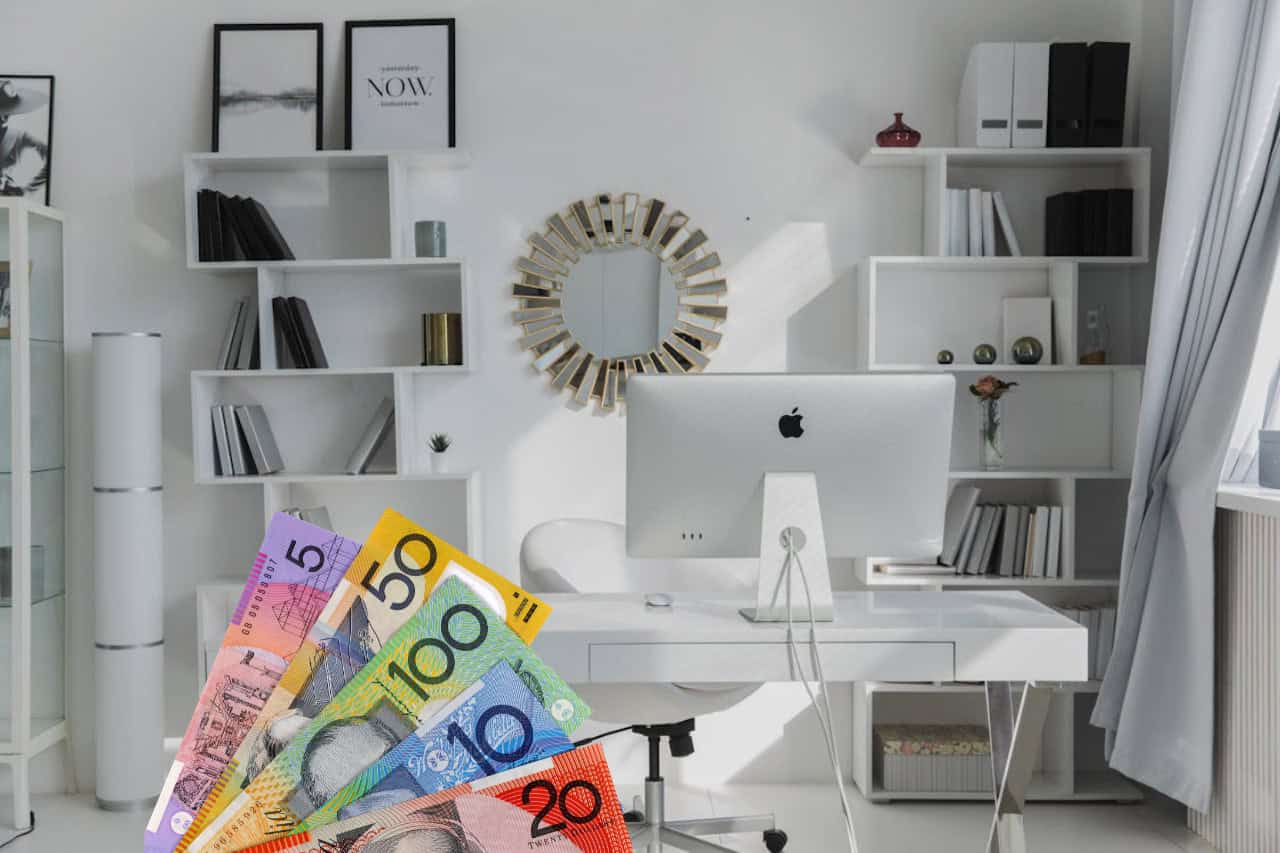
Across Australia, more people are working from home than ever before. Whether you’re an employee, freelancer, or small business owner, setting up a comfortable and productive home workspace often means investing in good-quality furniture — but can you actually claim those purchases on your tax return?
At Latitude Accountants, we’re often asked about home office deductions — particularly furniture like chairs, desks, and storage units. The good news? In most cases, yes, you can claim them, provided they meet the Australian Taxation Office (ATO) requirements.
Why You Can Claim Home Office Furniture
The ATO recognises that working from home involves expenses directly connected to earning income. This includes not only running costs (like electricity and internet) but also the cost of setting up a suitable workspace. If your office furniture is used mainly for work-related purposes, it may qualify as a tax deduction.
Under current ATO rules for the 2024–25 financial year, you can claim:
- Office furniture, such as desks, ergonomic chairs, lamps, and shelving, if they are primarily used for work
- Repairs, cleaning, and maintenance associated with that furniture
- Depreciation for items that cost more than $300
How the ATO Treats Furniture Costs
If the item costs $300 or less
You can claim the full cost immediately in the year of purchase, as long as it’s used more than 50% for work purposes.
If the item costs more than $300
You’ll need to depreciate it over its effective life, claiming a portion each year that reflects its work-related use. For example, if your office desk costs $1,000 and you use it 80% for work, you can claim 80% of its annual depreciation.
What Can You Claim?
The following items are commonly deductible under ATO guidelines:
- Office desks and workstations
- Ergonomic or task chairs
- Filing cabinets or drawers
- Desk lamps and lighting
- Bookshelves or storage units
- Office décor used exclusively for client-facing workspaces (in some cases)
You can also claim expenses related to repairs, replacements, and cleaning, provided the item remains in work use.

Fixed Rate Method vs Actual Cost Method
There are two main methods for claiming home office deductions, and understanding the difference is crucial.
1. Fixed Rate Method
- Claim 70 cents per hour worked from home.
- Covers general running expenses such as electricity, internet, and stationery.
- Does not include furniture or equipment, which you must claim separately.
- Ideal for those who want simplicity and have minimal furniture costs.
2. Actual Cost Method
- Calculate and claim the actual work-related portion of all expenses.
- Includes depreciation on furniture and equipment, cleaning, and repairs.
- Requires detailed records, such as receipts and a 4-week diary of hours worked.
Both methods are approved by the ATO, but it’s vital to choose the one that provides the best outcome for your circumstances — which is where Latitude Accountants can help.
Frequently Asked Questions About Claiming Home Office Furniture
Can I claim furniture used in both my home and personal life?
Only the work-related portion is deductible. If your desk is used 70% for work and 30% for personal activities, you can only claim 70% of the cost or depreciation.
Do I need to have a dedicated home office?
Not necessarily. However, to maximise your deduction and minimise risk, a dedicated workspace used exclusively for work is preferred.
Can I claim second-hand furniture?
Yes — as long as you have proof of purchase and the item meets the same work-use criteria.
Can renters claim home office furniture, too?
Absolutely. You don’t need to own your home to make valid home office claims.
What if I use the fixed rate method — can I still claim furniture?
Yes. Furniture and equipment are separate from the fixed rate and can still be claimed based on their cost or depreciation.
What records do I need?
You must keep:
- Receipts and invoices showing cost and purchase date
- A record of hours worked from home (if using the fixed rate method)
- A diary or calculation showing the work-related percentage of use
- Keep these records for at least five years after lodging your tax return.

Common Mistakes to Avoid
- Claiming personal-use furniture – Items must be used mainly for income-earning purposes.
- Forgetting depreciation – Items over $300 must be depreciated correctly.
- Not keeping records – Missing receipts can mean missed deductions.
- Double claiming – Don’t claim the same expense under both the fixed rate and actual cost methods.
Are There Differences Between States?
The rules for home office deductions are set federally by the ATO, meaning they apply Australia-wide. However, if you run a small business registered for GST, the reporting of asset purchases can vary slightly depending on your accounting method and state-based incentives (for example, small business instant asset write-off thresholds can differ if state concessions apply).
Latitude Accountants ensures your claims align with the latest federal and state tax regulations — from NSW to Victoria and beyond.
Example: Claiming an Ergonomic Chair
Let’s say you purchase an ergonomic chair for $450 in January 2025.
- It’s used 80% for work purposes.
- You’ll need to depreciate it over its effective life (say, 10 years).
- Your annual deduction would be $36 per year (450 × 80% ÷ 10).
You can also claim any repair or cleaning expenses for that chair during its lifetime.
Why Accurate Record-Keeping Matters
The ATO uses sophisticated data-matching and audit systems. Incorrect or inflated claims for home office expenses are a common audit trigger.
To stay compliant:
- Keep clear records of work-related use.
- Avoid rounding up hours or costs.
- Store all invoices and logbooks digitally.
Latitude Accountants can help you set up a record-keeping system that simplifies this process and ensures every deduction is properly documented.
The Bigger Picture: Home Office Claims and Your Tax Strategy
Claiming home office furniture is just one part of a broader tax strategy. For business owners and employees alike, combining this with smart expense planning — like prepaying certain business costs before 30 June or maximising super contributions — can lead to significant savings at tax time.
Latitude Accountants helps clients:
- Identify eligible deductions under ATO rules
- Choose between the fixed rate and actual cost methods
- Calculate depreciation accurately
- Optimise tax refunds legally and effectively

Why Choose Latitude Accountants
We’re not just about compliance — we’re about clarity, confidence, and results.
With offices across Sydney Olympic Park, Marrickville, and Melbourne, our Chartered Accountants have helped thousands of Australians make smarter financial decisions — The Latitude Way.
When you work with Latitude Accountants, you benefit from:
- Registered Chartered Accountants and Tax Agents
- Award-winning service recognised for Outstanding Professional Services
- Transparent advice and proactive tax planning
- Expertise in personal, business, and home office deductions
Ready to Maximise Your Tax Deductions?
If you’ve recently upgraded your workspace or plan to claim home office furniture this tax year, don’t leave it to guesswork. Get professional advice to make sure you’re claiming correctly — and confidently.
Contact Latitude Accountants today to review your home office claims and get the most from your next tax return.
📍 Sydney Olympic Park | Marrickville | Melbourne
📞 1300 706 597
📧 info@latitudeaccountants.com.au
Disclaimer
This article provides general information only and does not constitute personal tax or financial advice. Please consult a registered accountant before making any decisions based on this information.
Free Consultation
Got questions after reading this?
Book a call with our team. We'll walk through your situation and help you understand your options — no obligation.
Book Your Free Consultation*Free for all ABN holders · Limited spots available
Call 1300 706 597What We Do
Chartered accountants who work proactively
Not just at tax time — all year round.
Before You Make a Move
Six times you should call us first
Most costly mistakes happen before the paperwork is signed.
Buying a vehicle
Structure, FBT, and depreciation all need to be right before you sign.
Taking money out
Wages, dividends, or drawings each carry different tax consequences.
Buying property
Who buys it changes your GST, land tax, and CGT position entirely.
Hiring your first employee
Payroll, super, and STP obligations kick in from day one.
Buying or selling a business
You can inherit someone else's tax debt. Know what you're buying first.
Taking on a partner
Equity splits need proper structure upfront. A handshake deal costs more to unwind.
Get In Touch
Stop Guessing. Start Making Better Decisions.
Get clarity on your numbers, your structure, and your next move. Speak directly with our team and walk away knowing exactly where you stand.