
Guides & Resources
Can I Claim AirPods on Tax in Australia?
Maximise 2026 tax savings.
Learn when AirPods and headphones are deductible, work-use rules, depreciation, and ATO record requirements. Trusted Chartered experts.


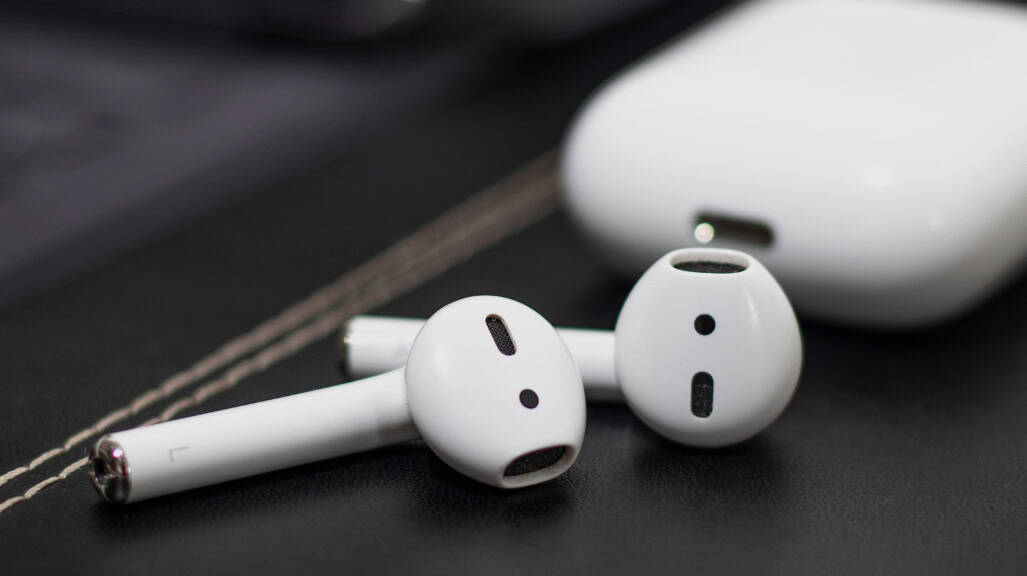
As flexible work becomes the norm and meetings shift online, many Australians are investing in tech that helps them stay connected — including wireless earphones like AirPods. But when tax time rolls around, a common question arises: Can you claim AirPods on taxes?
The short answer is: yes, you may be able to claim them, but only if you can prove they’re used for income-earning purposes. In this guide, we’ll explain exactly when AirPods (or other headphones) are deductible, how much you can claim, and what records you’ll need to stay compliant with the Australian Taxation Office (ATO).
When Are AirPods Tax Deductible?
AirPods or other headphones are considered tax-deductible when they’re used to help you perform your job or run your business. That includes activities like:
- Attending virtual meetings or video calls
- Making work-related phone calls
- Listening to training sessions or webinars
- Using audio editing tools (for content creators or editors)
The ATO’s general rule is that you can claim a deduction if the item is used to produce assessable income, and the expense is not of a private or domestic nature.
Who Can Claim Them?
You might be able to claim AirPods if you’re:
- An employee who uses them for work (and your employer hasn’t reimbursed you)
- A freelancer or contractor working from home or on the go
- A sole trader or small business owner using them for business operations
- A student completing self-education that directly relates to their current job
If you use AirPods for both work and personal purposes — which is often the case — you’ll need to apportion the expense and claim only the work-use percentage.
How Much Can I Claim?
How much you can claim depends on how much the AirPods cost and how you use them:
1. Costing $300 or Less
If your AirPods cost $300 or less, you can claim an immediate deduction for the work-use portion in the same financial year you bought them.
For example, If your AirPods cost $280 and you use them 70% of the time for work, you can claim $196.
2. Costing Over $300
If the AirPods cost more than $300, you must depreciate the cost over their effective life (typically around two years, according to ATO guidelines). You can still only claim the work-related use portion.
For example, If your AirPods cost $350 and are 80% for business, you’d depreciate $280 over two years.
What About AirPods Used for Study?
You can only claim AirPods as a self-education expense if your course is directly related to your current employment and improves your income-earning ability in that job.
If you’re a student not currently working or studying for a future job, the ATO won’t allow the deduction — even if you use the headphones for lectures.

What Evidence Do I Need?
As with any tax deduction, the ATO requires you to keep adequate records. For AirPods, this includes:
- A receipt or tax invoice showing the purchase date, supplier, and amount
- A usage diary or log that shows the percentage of work or business use (e.g. tracking meetings or calls over four weeks)
- Notes linking the use of AirPods to income-producing activities
You should keep these records for at least five years in case the ATO requests verification.
Common Scenarios
Scenario 1: Employee working remotely
You attend daily Zoom meetings and use AirPods for calls with clients. You calculate that around 60% of your AirPods’ usage is work-related. If they cost $299, you can claim $179.40 in your next return.
Scenario 2: Content creator or editor
You use AirPods to edit podcasts, voiceovers, or videos for clients. If the AirPods are used solely for this purpose, the full cost may be deductible — either as an instant deduction or via depreciation.
Scenario 3: Student studying full-time
You’re not currently employed in a role related to your studies. In this case, the AirPods are considered a private expense and not deductible.
What If My Employer Paid for Them?
If your employer reimburses you for the purchase, or provides the AirPods as part of your work setup, you cannot claim them — as the expense wasn’t incurred by you personally.
Can I Claim Other Headphones?
Yes. The same rules apply to all headphones or earphones — wired or wireless — as long as the usage is connected to income-earning activities. It’s not about the brand; it’s about how they’re used.

Final Thoughts
While AirPods might seem like a luxury, if you’re using them to do your job or run your business, they could be a legitimate deduction. The key is being honest about your usage, keeping good records, and understanding how the ATO expects you to apportion the cost.
If in doubt, or if your tax situation is a little more complex, it’s always best to seek professional advice.
Speak to Latitude Accountants
Wondering whether your AirPods — or any other tech — can be claimed on tax? At Latitude Accountants, we specialise in helping individuals, sole traders, and small businesses make smart, compliant claims that don’t raise red flags.
From tools and tech to home office expenses and self-education, we’ll guide you through every deduction you’re legally entitled to — and nothing you’re not.
Contact Latitude Accountants today for expert advice, stress-free lodgement, and tax strategies that make sense.
📞 Contact Latitude Accountants
📧 info@latitudeaccountants.com.au
🌐 www.latitudeaccountants.com.au
Disclaimer
This article is general information only and does not constitute tax or financial advice. Always consult a registered tax professional for personalised guidance.
Free Consultation
Got questions after reading this?
Book a call with our team. We'll walk through your situation and help you understand your options — no obligation.
Book Your Free Consultation*Free for all ABN holders · Limited spots available
Call 1300 706 597What We Do
Chartered accountants who work proactively
Not just at tax time — all year round.
Before You Make a Move
Six times you should call us first
Most costly mistakes happen before the paperwork is signed.
Buying a vehicle
Structure, FBT, and depreciation all need to be right before you sign.
Taking money out
Wages, dividends, or drawings each carry different tax consequences.
Buying property
Who buys it changes your GST, land tax, and CGT position entirely.
Hiring your first employee
Payroll, super, and STP obligations kick in from day one.
Buying or selling a business
You can inherit someone else's tax debt. Know what you're buying first.
Taking on a partner
Equity splits need proper structure upfront. A handshake deal costs more to unwind.
Get In Touch
Stop Guessing. Start Making Better Decisions.
Get clarity on your numbers, your structure, and your next move. Speak directly with our team and walk away knowing exactly where you stand.