
Guides & Resources
Can I Claim a New Phone on Tax?
Maximise your 2026 tax refund.
Learn what phone expenses you can claim and how to calculate work use. Expert guidance from a Chartered firm.
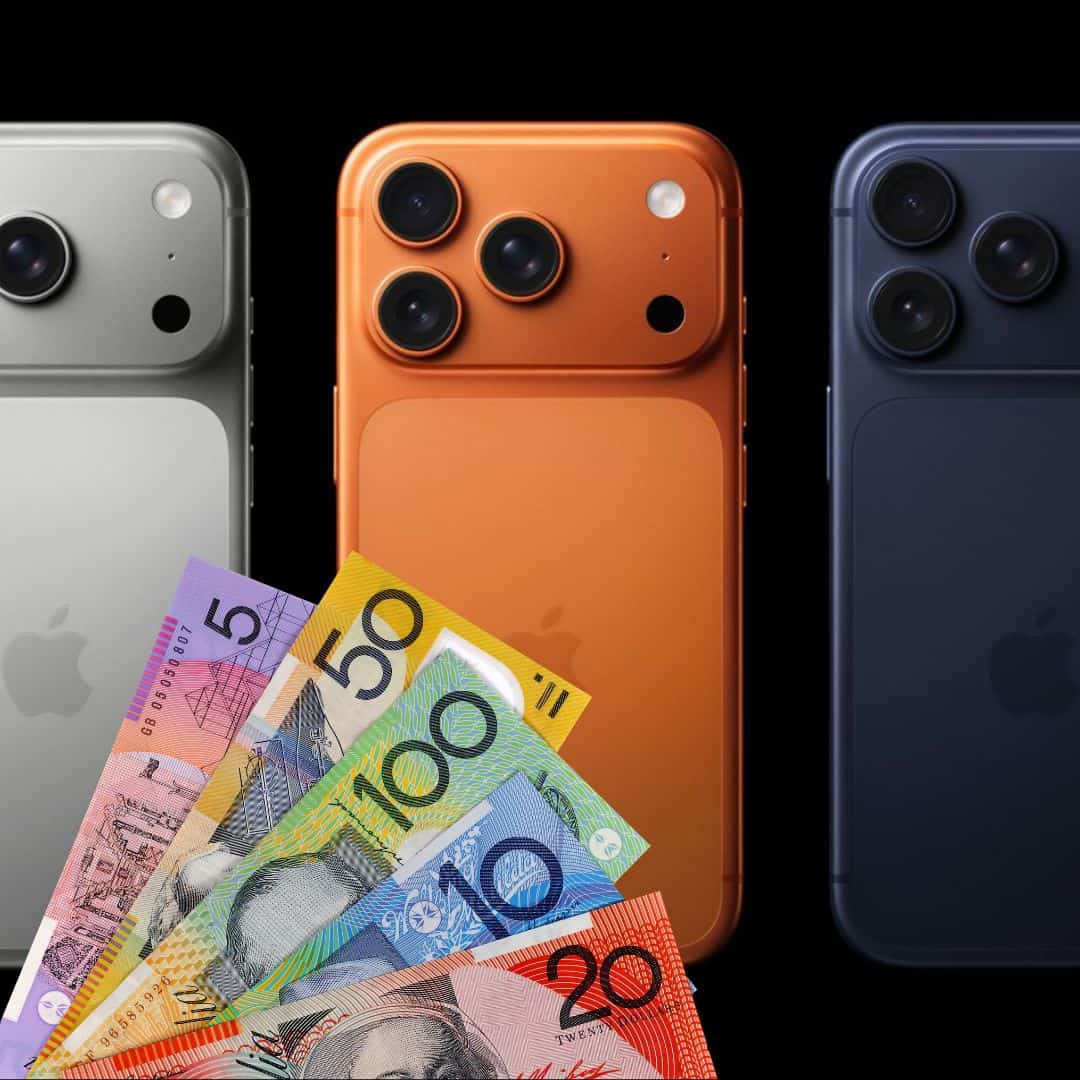

If you’ve recently purchased a new phone and use it for work or business purposes, you might be wondering — can I claim it on tax?
The short answer is yes, you may be able to claim all or part of the cost of your new phone as a tax deduction. But, like most things when it comes to the ATO, the real answer depends on how much you use the phone for income-earning activities and whether you’re an employee, sole trader, or business owner.
In this guide, we’ll break down exactly when you can claim a phone on tax, how much you can deduct, and what records you’ll need to stay compliant.
Who Can Claim a Phone on Tax?
You can claim a mobile phone on tax if you use it to earn assessable income, and the expense is not private in nature. This applies to:
- Employees who use their personal phone for work
- Sole traders who use their phone to run their business
- Small business owners who provide staff with work phones
- Freelancers who use their phone for client calls, bookings, admin, etc.
What Phone Expenses Can I Claim?
You may be able to claim:
- The cost of the phone (upfront or monthly repayments)
- Monthly phone plan costs
- Apps or software used for work
- Phone accessories (e.g.,Bluetooth headset for work use)
Q: Can I claim the full cost of my phone?
A: Only if the phone is used 100% for work or business purposes, which is rare. Most people will need to apportion the cost between work and personal use.
How to Claim a Phone as an Employee
If you’re an employee and your employer doesn’t reimburse you for using your personal phone for work, you can claim the work-use portion of:
- Call and data usage
- Monthly plan costs
- Depreciation of the phone (if you bought it outright)
Example:
You use your phone 40% of the time for work-related calls and emails. You can claim 40% of the total phone expense.
Q: Can I claim a phone if my employer pays part of the bill?
A: No. You can only claim your out-of-pocket costs. If your employer reimburses you or pays the bill, it’s not deductible.

How to Claim a Phone as a Sole Trader or Business Owner
If you operate as a sole trader or through a business structure and use your phone for business, you can claim:
- 100% of the cost (if the phone is used solely for business)
- A business-use percentage if the phone is used for both personal and business
Phones under the instant asset write-off threshold (subject to ATO rules and turnover tests) may be claimed in full upfront. Otherwise, they must be depreciated over several years.
Q: What if I’m on a phone plan with monthly repayments?
A: You can still claim the business-use portion of your monthly bill, including handset repayments and service charges.
How Do I Work Out the Work-Use Percentage?
The ATO expects you to keep a record for a representative four-week period to work out how much of your phone use is work-related. This includes:
- Call logs
- Data usage
- Message records
- App usage (e.g. business-related apps)
Once you have your business-use percentage, you can apply it to the full year.
What Records Do I Need?
To support your claim, the ATO requires:
- Purchase invoice or receipt for the phone
- Monthly phone bills or plan statements
- A four-week usage diary (to work out percentage of business use)
- Notes explaining how the phone is used for work or business
Q: Can I claim a phone I bought last year?
A: If you still use the phone for income-producing purposes, you may be able to claim depreciation in the current year. Talk to your accountant about the write-off rules and effective life of the asset.
What About Business Phones for Staff?
If your business provides phones to employees for work use:
- The business can generally claim the full cost of the phones and plans.
- If there’s significant private use, you may need to account for Fringe Benefits Tax (FBT).
- Latitude Accountants can help determine whether FBT applies and how to structure this tax-effectively.

Instant Asset Write-Off and Phone Claims
The instant asset write-off allows eligible businesses to immediately claim the full cost of business assets below a certain threshold (which changes depending on ATO rulings and turnover limits).
Q: Can I use the instant asset write-off for my phone?
A: Yes — if your business is eligible and the phone is used for business purposes, you may be able to claim it immediately. Otherwise, it must be depreciated.
Always check the current asset threshold and eligibility with a registered tax agent.
What Can’t You Claim?
You can’t claim:
- Phones used purely for personal use
- Costs that were reimbursed by your employer
- Entertainment apps or streaming services (unless directly business-related)
- Excessive claims without a usage diary or records
Making incorrect claims can lead to ATO audits or penalties — so it’s always best to keep good records and speak with a professional.
Final Thoughts
Claiming a phone on tax is absolutely possible — but only if it’s genuinely used for work or business. The key is to track your usage, keep receipts, and claim only the portion that’s related to income-earning activities.
If you’re a sole trader or business owner, you may be eligible to claim the phone outright under current asset write-off rules. Employees can still claim a portion, provided they weren’t reimbursed and have supporting records.

Ready to work with the professionals
Not sure how much of your phone you can claim? At Latitude Accountants, we help individuals, sole traders, and businesses across Australia navigate complex tax rules with confidence.
We’ll review your phone usage, apply the right method, and ensure you claim everything you’re entitled to — no more, no less. Whether you’re after simple advice or a full-service tax strategy, we’re here to help.
Need expert help?
Get in touch today to book your tax appointment or speak to an accountant who understands your situation.
📞 Contact Latitude Accountants
📧 info@latitudeaccountants.com.au
🌐 www.latitudeaccountants.com.au
Disclaimer
This article is for general information only and does not constitute financial or tax advice. Always consult a registered tax professional for guidance specific to your circumstances.
Free Consultation
Got questions after reading this?
Book a call with our team. We'll walk through your situation and help you understand your options — no obligation.
Book Your Free Consultation*Free for all ABN holders · Limited spots available
Call 1300 706 597What We Do
Chartered accountants who work proactively
Not just at tax time — all year round.
Before You Make a Move
Six times you should call us first
Most costly mistakes happen before the paperwork is signed.
Buying a vehicle
Structure, FBT, and depreciation all need to be right before you sign.
Taking money out
Wages, dividends, or drawings each carry different tax consequences.
Buying property
Who buys it changes your GST, land tax, and CGT position entirely.
Hiring your first employee
Payroll, super, and STP obligations kick in from day one.
Buying or selling a business
You can inherit someone else's tax debt. Know what you're buying first.
Taking on a partner
Equity splits need proper structure upfront. A handshake deal costs more to unwind.
Get In Touch
Stop Guessing. Start Making Better Decisions.
Get clarity on your numbers, your structure, and your next move. Speak directly with our team and walk away knowing exactly where you stand.