
Guides & Resources
Can I Claim a Car Wash on Tax in Australia?
Maximise 2026 tax savings.
Learn when car wash expenses are deductible, calculation methods, and record-keeping tips. Chartered accounting guidance.
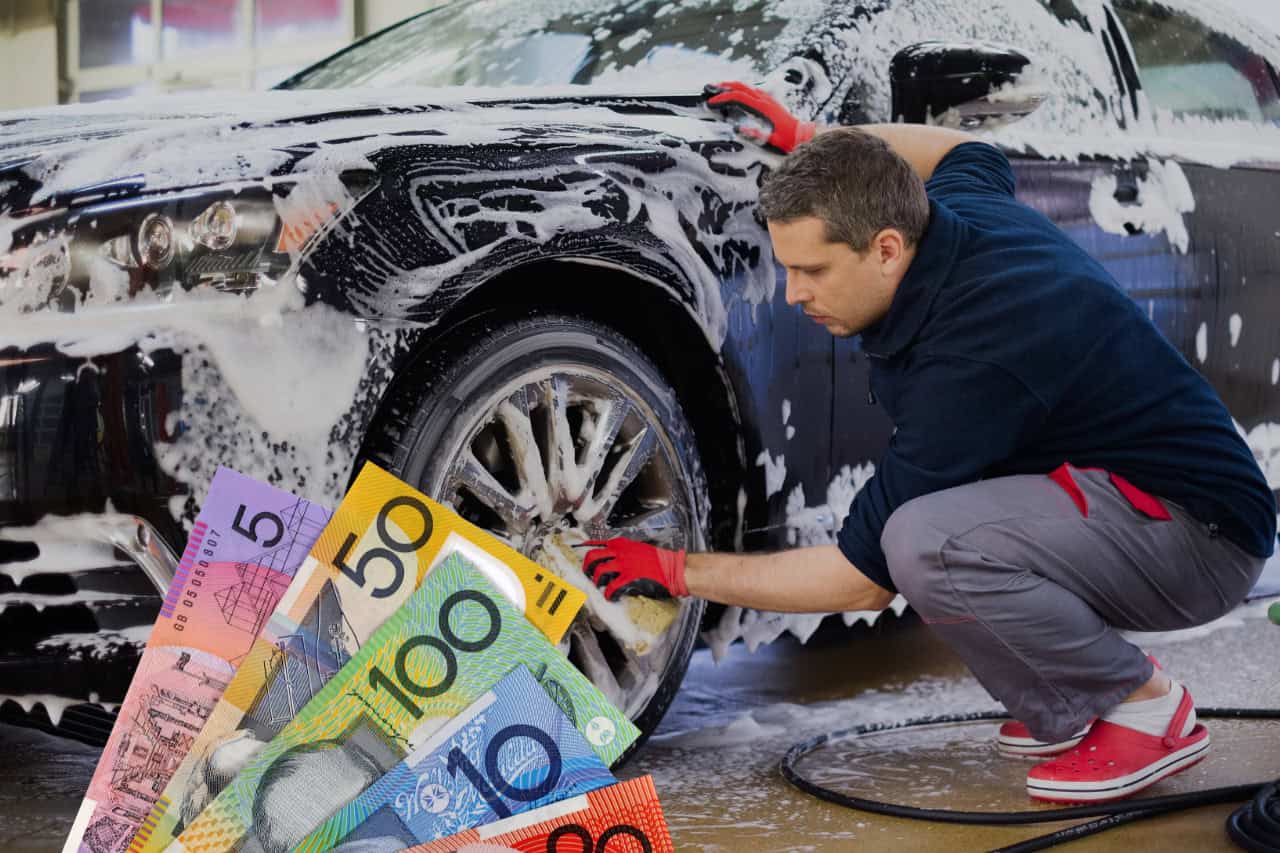

It’s no secret that keeping your vehicle clean is part of staying professional, especially if you use your car for work. But when tax time rolls around, many people are unsure — can I claim car wash expenses on tax in Australia?
The answer is yes — but only in certain circumstances. Like many tax deductions, it all comes down to how the vehicle is used and whether the cleaning is directly related to your income-earning activities.
In this guide, we break down when car washes are tax-deductible, who can claim them, how to calculate the claim, and what the ATO expects in terms of record-keeping.
When Is a Car Wash Tax-Deductible?
You can claim car wash expenses if your vehicle is used for work or business purposes, and the cleaning is necessary for that use. This includes keeping the car presentable for clients, removing debris from trade or site visits, or simply maintaining a professional appearance if your car is part of your job.
However, car wash costs related to private use are not deductible. If your car is only used to get to and from your regular workplace (commuting), car washes are considered a personal expense and cannot be claimed.

Who Can Claim Car Wash Expenses?
You may be eligible to claim car washing on tax if you:
- Are you an employee who uses your car for work-related travel (e.g., site visits, client meetings, deliveries)
- Are you a sole trader, contractor, or freelancer who uses your car to operate your business
- Own a business and use your car in the course of business operations (e.g., real estate agents, tradies, consultants)
If your vehicle is used for both work and personal purposes, you’ll need to determine the work-use percentage and claim only that portion of your car wash expenses.
How Do You Calculate the Deductible Amount?
There are two ways to claim car-related expenses with the ATO, but only one allows you to claim car washes specifically:
1. Logbook Method (Best for claiming car washes)
Under the logbook method, you track your actual car expenses — including fuel, insurance, servicing, and yes, car washes. You must:
- Keep a 12-week logbook to determine your business-use percentage
- Track all expenses and keep receipts
- Apply your business-use percentage to your total car wash costs
Example:
You spend $400 per year on car washes. Your logbook shows 60% business use. You can claim $240 as a tax deduction.
2. Cents Per Kilometre Method
This method offers a flat rate per kilometre (currently 85 cents/km for the 2023–24 financial year) up to 5,000 km. It covers fuel, wear and tear, servicing, and general running costs — so you can’t separately claim car washes under this method.

What Records Do I Need?
To claim car washes, you must keep:
- Receipts or tax invoices for each car wash
- A logbook (for at least 12 weeks) showing work-related use of the car
- A record of your work-related activities that justify using your personal vehicle for business
Without these records, the ATO may reject your claim — even if the expense was legitimate.
Can I Claim Car Washes if I’m a Tradie?
Yes — especially if your vehicle gets dirty from visiting worksites, transporting tools, or driving in dusty or muddy conditions. In many cases, the ATO accepts that keeping your vehicle clean is essential to doing your job.
What If My Employer Reimburses Me?
If your employer reimburses you for car wash expenses, you cannot claim them again on your tax return. Only out-of-pocket expenses can be claimed.
What If I Use a Car Subscription Service?
If your subscription includes car wash services, you may be able to apportion that cost as part of your vehicle expenses — but only for the business-use portion. It’s best to consult a tax professional to clarify how to break it down properly.

Final Thoughts
Yes, you can claim car wash expenses on tax — but only if you use your vehicle for business or work-related travel. The ATO requires solid records, a clear business case, and accurate calculations to support your claim. If your car is solely used for private purposes or commuting, car wash expenses won’t be deductible.
When in doubt, use the logbook method and speak to an accountant to make sure your claims are compliant.
Speak to Latitude Accountants
Not sure if your vehicle qualifies? Want to start tracking car expenses the right way? At Latitude Accountants, we help individuals, sole traders, and business owners maximise legitimate deductions — including car expenses — without crossing the ATO’s line.
From setting up your logbook to calculating the business-use percentage, we make it easy and compliant.
Contact Latitude Accountants today to take the guesswork out of your tax return and keep your deductions squeaky clean — just like your car.
📞 Contact Latitude Accountants
📧 info@latitudeaccountants.com.au
🌐 www.latitudeaccountants.com.au
Disclaimer
This article is general information only and does not constitute tax or financial advice. Always consult a registered tax professional for personalised guidance.
Free Consultation
Got questions after reading this?
Book a call with our team. We'll walk through your situation and help you understand your options — no obligation.
Book Your Free Consultation*Free for all ABN holders · Limited spots available
Call 1300 706 597What We Do
Chartered accountants who work proactively
Not just at tax time — all year round.
Before You Make a Move
Six times you should call us first
Most costly mistakes happen before the paperwork is signed.
Buying a vehicle
Structure, FBT, and depreciation all need to be right before you sign.
Taking money out
Wages, dividends, or drawings each carry different tax consequences.
Buying property
Who buys it changes your GST, land tax, and CGT position entirely.
Hiring your first employee
Payroll, super, and STP obligations kick in from day one.
Buying or selling a business
You can inherit someone else's tax debt. Know what you're buying first.
Taking on a partner
Equity splits need proper structure upfront. A handshake deal costs more to unwind.
Get In Touch
Stop Guessing. Start Making Better Decisions.
Get clarity on your numbers, your structure, and your next move. Speak directly with our team and walk away knowing exactly where you stand.