
Guides & Resources
ATO Credit Card Payments: What Small Businesses Need to Know
Understand the ATO credit card payment changes,
What the delay means for Australian small businesses and how to plan tax payments and cash flow.


For many Australian small businesses, paying tax is not just about meeting an ATO deadline. It is also about managing cash flow and making sure enough money is available to cover wages, suppliers and everyday operating expenses.
That is why the Australian Taxation Office’s proposed move to stop accepting credit card payments attracted significant attention from business owners. The change raised concerns among businesses that used credit cards to manage payment timing, particularly when an interest-free period helped them retain cash in their accounts for longer.
However, following significant industry feedback, the Federal Government announced a delay to the planned change in October 2026. The ATO will continue accepting credit card payments until 30 June 2027.
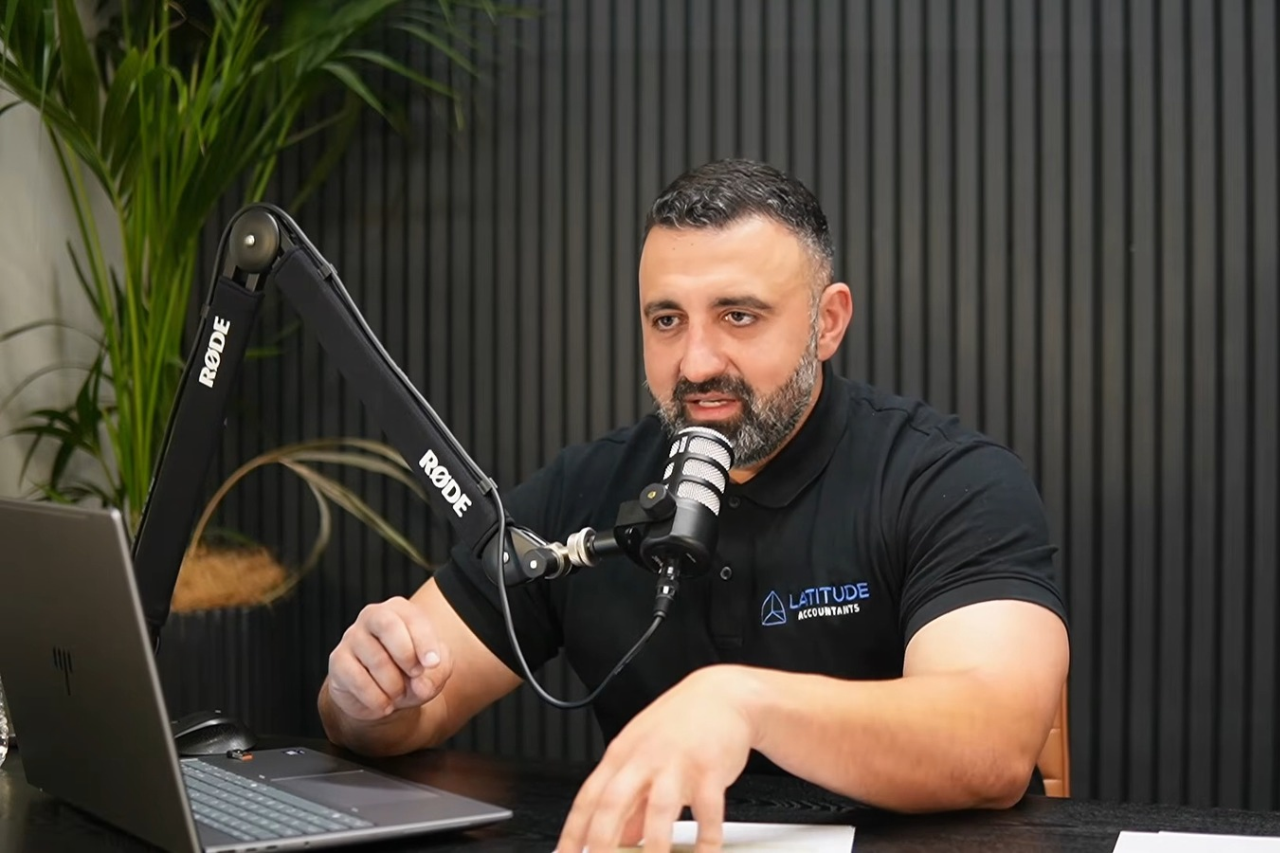
In this episode of The CEO Breakdown, John Saade, CEO of Latitude Accountants, examined the issue and its implications for Australian businesses. The situation highlights an important lesson: understanding your tax obligations and planning how to pay them are both essential parts of effective financial management.
Why Did the ATO Plan to Stop Accepting Credit Card Payments?
The proposed change followed reforms to Australia’s card payment surcharging rules.
From 1 October 2026, card networks introduced rules preventing businesses from adding separate surcharges for payments made using Visa, Mastercard, EFTPOS and American Express cards. This meant businesses could no longer pass eligible card processing costs directly to customers through a payment surcharge.
The ATO faced a similar issue. It had previously charged processing fees on credit card tax payments, but continuing to accept those payments without passing on the costs would mean absorbing significant merchant fees.
The ATO estimated that accepting credit card payments would cost it close to $200 million annually. It therefore announced plans to stop accepting credit cards from 30 November 2026.
The decision attracted criticism from business groups and taxpayers who relied on credit cards as part of their cash flow arrangements.

Why Did the Government Delay the ATO Credit Card Payment Change?
Following concerns raised by small businesses and industry representatives, the Federal Government announced on 9 October 2026 that it would fund a transition period.
This means the ATO will continue accepting credit card payments until 30 June 2027, giving businesses and other taxpayers more time to prepare.
After that date, the Government has stated that the ATO will continue accepting credit card payments through third-party providers, alongside other free or low-fee payment methods such as debit cards and bank transfers.
The Government has also asked the ATO to consult on alternative arrangements for taxpayers experiencing financial hardship or those unable to pay through other methods.
The delay is important because it recognises that payment methods can form part of how businesses manage their working capital, rather than simply being a matter of convenience.
How the ATO Credit Card Changes Could Affect Small Businesses
1. Less Flexibility When Managing Cash Flow
Some business owners use credit cards to pay tax bills because they can take advantage of an interest-free period before the credit card balance becomes due.
This can provide additional time between making a tax payment and settling the credit card account.
For example, a business owner may have an upcoming BAS or tax payment but also need to keep enough cash available for wages, rent and supplier invoices. Using a credit card may provide short-term flexibility, provided the balance can be repaid within the interest-free period.
Removing that payment option could mean businesses need to arrange funds earlier or consider alternative payment methods.
2. Businesses May Need to Reconsider Payment Timing
Tax obligations should be included in a business’s regular financial planning.
If a business has relied on credit cards to manage the timing of tax payments, it should consider how its cash flow arrangements would change if that option becomes unavailable.
This may involve setting aside money throughout the reporting period, reviewing payment dates and ensuring funds are available before ATO obligations fall due.
The key is to avoid relying on last-minute payment arrangements that could create unnecessary financial pressure.
3. Credit Card Interest Can Reduce the Financial Benefit
Using a credit card to pay tax is not automatically a cost-effective strategy.
Although an interest-free period may provide short-term flexibility, interest charges can quickly outweigh the benefit if the balance is not repaid on time.
Business owners should also consider annual card fees, applicable payment processing charges and the terms of their credit card agreement.
The goal should be to use credit strategically, not to rely on it to cover an ongoing shortage of business funds.
4. Alternative Payment Methods May Require Better Planning
As businesses prepare for the eventual transition, they should understand the payment methods available through the ATO.
These include options such as:
- BPAY.
- Electronic funds transfer.
- Direct debit.
- Debit card payments.
- Payment arrangements where eligible.
- Third-party credit card payment services, subject to applicable fees and terms.
Each option has different processing times, costs and requirements. Business owners should check the current ATO payment guidance before choosing a method, particularly when a payment deadline is approaching.
5 Practical Steps to Prepare Your Business for ATO Payment Changes
The temporary extension provides businesses with more time to review their financial arrangements. Rather than waiting until the transition deadline, owners can start preparing now.
1. Review Your Current Tax Payment Process
Identify how your business currently pays its tax obligations.
Consider whether you regularly use a credit card, direct debit, BPAY or another payment method. If credit cards are part of your process, understand why you use them and what would happen if that option changed.
2. Set Aside Money for Tax Obligations
Avoid treating GST, PAYG withholding and other tax obligations as money available for general business spending.
Set aside funds regularly so that money is available when payments become due. This can reduce the pressure of finding a large amount at short notice.
3. Monitor Your Cash Flow
Keep track of incoming payments, outstanding invoices, wages, supplier expenses and upcoming tax commitments.
A cash flow forecast can help identify periods when several large payments fall due at the same time.
This allows business owners to plan ahead and make adjustments before cash becomes tight.
4. Understand the True Cost of Using Credit
If you continue using a credit card for eligible ATO payments during the transition period, calculate the total cost.
Consider interest, annual fees, third-party processing charges and any applicable card fees. Compare these costs with the benefits of retaining cash in the business for a little longer.
A payment method that appears convenient may not be the most economical option.
5. Speak With Your Accountant Before Making Changes
Your accountant can help you understand upcoming tax obligations and assess how different payment arrangements may affect your cash flow.
They can also help you review your budget, plan for payment deadlines and identify potential financial pressure before it becomes a larger issue.
Why Tax Planning and Cash Flow Management Go Together
The ATO credit card payment issue highlights a broader point about running a small business: meeting tax obligations requires more than knowing when payments are due.
Business owners need to understand how those payments fit into their overall financial position.
John Saade’s discussion emphasises the importance of reviewing budgets, controlling unnecessary spending and thinking ahead about working capital. Even changes to a payment method can affect how much cash a business needs available at a particular time.
Rather than relying on credit to manage tax payments, businesses should build tax obligations into their regular cash flow planning.
This does not mean credit cards should never be used. It means business owners should understand the costs, risks and alternatives before making a decision.
Frequently Asked Questions About ATO Credit Card Payments
Is the ATO Still Accepting Credit Card Payments in 2026?
Yes. Following the Federal Government’s October 2026 announcement, the ATO will continue accepting credit card payments until 30 June 2027.
When Will the ATO Stop Accepting Credit Card Payments Directly?
The current transition arrangement allows the ATO to continue accepting credit card payments until 30 June 2027. After that date, the Government has stated that credit card payments will continue to be available through third-party providers.
Why Did the ATO Plan to Stop Accepting Credit Cards?
The ATO’s decision followed changes to card surcharging rules. Without the ability to pass on credit card processing costs through surcharges, the ATO estimated that absorbing those fees would cost close to $200 million annually.
Can Small Businesses Still Use Credit Cards to Pay Tax?
Yes. Under the current transition arrangement, the ATO continues accepting credit card payments until 30 June 2027. Businesses should check the ATO’s latest payment guidance for available options and applicable fees.
What Should Businesses Do if They Cannot Pay an ATO Bill on Time?
Businesses should contact the ATO as early as possible to discuss their circumstances and available payment arrangements. Eligible taxpayers may be able to arrange a payment plan. Ignoring an outstanding tax debt can lead to additional costs and collection action.

Get Help Managing Your Business Tax and Cash Flow
Changes to ATO payment arrangements can affect how Australian small businesses manage their finances. Having a clear understanding of your tax obligations, payment options and cash flow can help you avoid unnecessary pressure and make more informed decisions.
At Latitude Accountants, we help Australian business owners stay on top of their accounting and tax responsibilities. From BAS and GST to tax planning, budgeting and cash flow management, our team can help you understand your obligations and plan ahead.
If you need support managing your business finances or preparing for upcoming tax payments, get in touch with our team.
Contact Latitude Accountants:
📍 Sydney Olympic Park | Marrickville | Melbourne | Loxton | Adelaide
📞 1300 706 597
📧 info@latitudeaccountants.com.au
Disclaimer
This article is intended for general informational purposes only and does not constitute financial, tax, accounting, legal or business advice. ATO payment arrangements and policies may change. Always check the latest information directly with the Australian Taxation Office or speak with a qualified professional about your circumstances.
Free Consultation
Got questions after reading this?
Book a call with our team. We'll walk through your situation and help you understand your options — no obligation.
Book Your Free Consultation*Free for all ABN holders · Limited spots available
Call 1300 706 597What We Do
Chartered accountants who work proactively
Not just at tax time — all year round.
Before You Make a Move
Six times you should call us first
Most costly mistakes happen before the paperwork is signed.
Buying a vehicle
Structure, FBT, and depreciation all need to be right before you sign.
Taking money out
Wages, dividends, or drawings each carry different tax consequences.
Buying property
Who buys it changes your GST, land tax, and CGT position entirely.
Hiring your first employee
Payroll, super, and STP obligations kick in from day one.
Buying or selling a business
You can inherit someone else's tax debt. Know what you're buying first.
Taking on a partner
Equity splits need proper structure upfront. A handshake deal costs more to unwind.
Get In Touch
Stop Guessing. Start Making Better Decisions.
Get clarity on your numbers, your structure, and your next move. Speak directly with our team and walk away knowing exactly where you stand.