
Guides & Resources
Ego Lifting Just Took Over Social Media. What’s It Doing to Lifters?
Discover how social media fuels ego lifting,
Influences powerlifting technique and changes coaching, as Bethany Parker discusses fitness culture and AI.
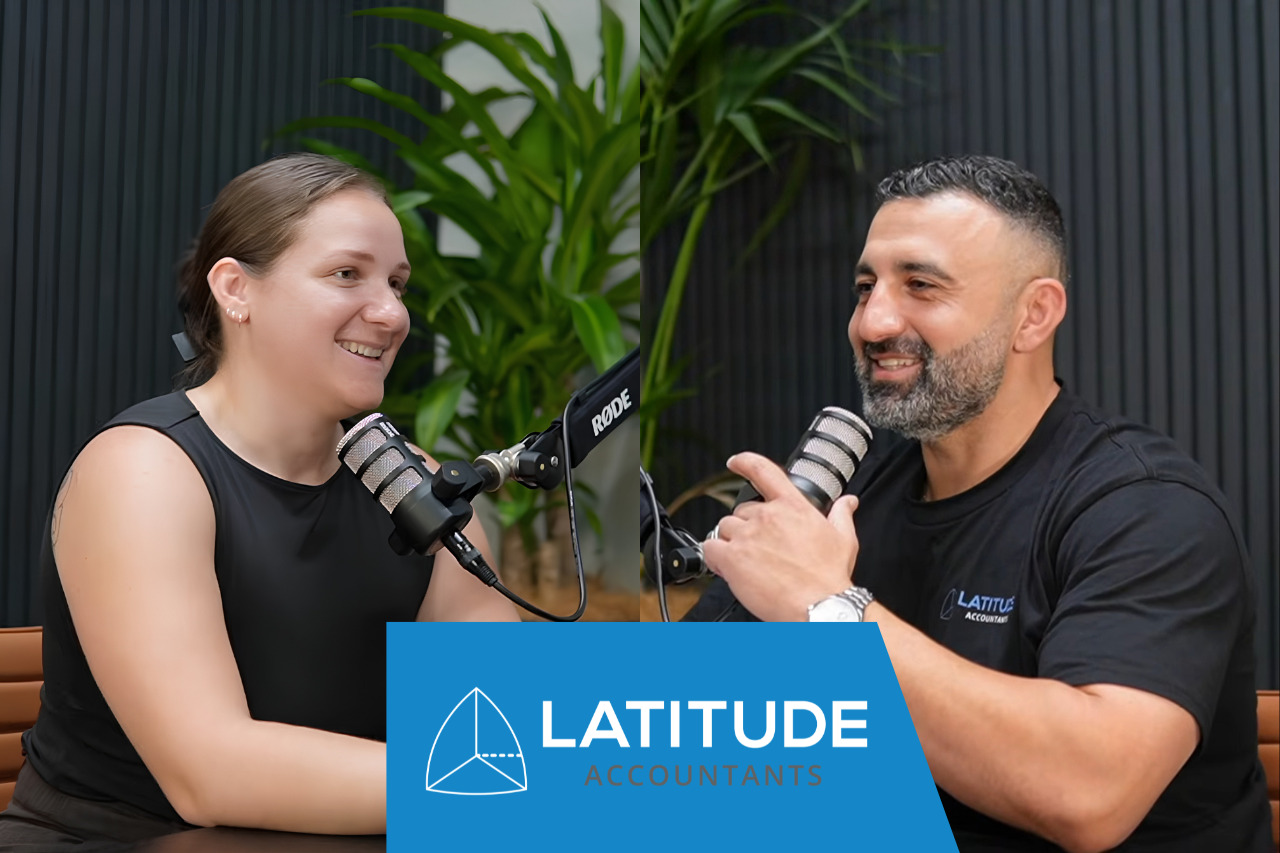

Social media has reshaped the fitness industry, changing how athletes train, learn, and measure their progress. From Instagram form checks to viral TikTok lifting challenges, training advice is now just a scroll away. But with countless opinions, conflicting techniques, and the pressure to lift heavier for online attention, is social media helping lifters improve or holding them back?
In this discussion, John Saade, CEO of Latitude Accountants, sits down with powerlifting athlete and coach Bethany Parker to explore the impact of social media on modern powerlifting, the rise of ego lifting, and the growing role of artificial intelligence in coaching.
Drawing on her experience as an international competitor and coach, Bethany shares how online fitness culture has influenced her own journey, why chasing impressive numbers can come at the expense of long-term progress, and why trust, communication, and human connection remain essential to effective coaching.
How Has Social Media Changed Powerlifting?
Following COVID-19, powerlifting experienced significant growth, with platforms such as Instagram and TikTok helping introduce the sport to wider audiences.
Bethany believes social media has played an important role in showcasing diversity within powerlifting, particularly the growing participation of women and athletes from different backgrounds.
Online platforms have also made it easier for competitors to observe one another, exchange knowledge and raise their performance standards.
However, increased access to information presents challenges.
The Problem With Conflicting Fitness Advice
A beginner scrolling through social media might encounter one coach recommending a particular squat technique, only to see another coach criticising that exact approach.
This constant stream of conflicting advice can leave newer lifters questioning their training decisions.
Bethany challenges the idea that every lifting technique must be categorised as universally right or wrong.
Instead, she believes different techniques can serve different athletes depending on their individual needs, capabilities and circumstances.
The important question is not whether a technique looks identical to someone else’s, but whether it is appropriate, effective and safe for the individual performing it.

What Is Ego Lifting and Why Is It Dangerous?
Ego lifting occurs when athletes prioritise lifting a particular weight over their actual readiness, technique or long-term development.
Bethany describes it as entering a training session with a predetermined expectation of what you should lift without properly considering how you feel that day.
Factors such as sleep, nutrition, recovery and physical readiness can all influence performance.
However, social media can encourage athletes to ignore these considerations in pursuit of impressive footage.
Signs You Might Be Ego Lifting
Common warning signs include:
- Choosing heavier weights primarily to impress others.
- Recording sets specifically for social media engagement.
- Ignoring fatigue or inadequate recovery.
- Prioritising personal records over technical improvement.
- Comparing your performance constantly with other lifters.
- Continuing to increase weight despite deteriorating technique.
Bethany warns that repeatedly chasing numbers without improving movement quality can waste entire training blocks.
It may also increase injury risk and interfere with sustainable progress.
Bethany Parker’s Personal Experience With Ego Lifting
Bethany openly acknowledges that ego lifting influenced her early powerlifting career.
Beginning competitive powerlifting at just 16, she quickly progressed from national competition to international events.
Her remarkable strength attracted considerable attention online, particularly her ability to bench press impressive weights at such a young age.
However, that attention came with challenges.
Without sufficient opportunities to reassess her approach, Bethany believes she was heading towards physical or mental burnout.
Her experience highlights why early success and social media recognition should never replace sustainable training habits.
Why Trust and Communication Matter in Powerlifting Coaching
With countless fitness influencers sharing advice online, athletes may naturally question whether their coach’s approach is the best available.
Bethany believes these conversations should be encouraged rather than discouraged.
An athlete who discovers an interesting exercise or training method should feel comfortable discussing it with their coach.
A productive coaching relationship requires:
- Open communication between athlete and coach.
- Willingness to discuss alternative training methods.
- Recognition that coaches do not know everything.
- Individualised approaches rather than rigid techniques.
- Trust in the agreed training programme.
Bethany also explains that coaches must remain willing to reconsider their own methods when new information becomes available.
Rather than constantly changing systems based on online trends, coaches should assess what they are learning, its potential benefits and which athletes it might suit.
Can AI Replace a Human Powerlifting Coach?
As artificial intelligence becomes increasingly accessible, another question emerges: if ChatGPT can generate training programmes and analyse performance data, why pay for a human coach?
Bethany welcomes AI as a potential tool for improving coaching rather than viewing it purely as a threat.
AI can assist with numerical analysis, programme planning and identifying performance patterns.
However, she believes effective coaching involves much more than calculating sets, repetitions and training percentages.
The Human Side of Coaching
Athletes experience emotional challenges, personal circumstances, competitive pressure and unexpected setbacks throughout their careers.
A human coach can provide context, communication and practical support that extends beyond a training spreadsheet.
Bethany particularly highlights the importance of competition-day coaching, where understanding an athlete’s mindset and making timely decisions can provide a competitive advantage.
John draws an interesting comparison with accounting.
Just as athletes benefit from personalised coaching, business owners often require more than access to financial information or automated calculations.
An accountant can help interpret complex financial situations, understand individual circumstances and guide important business decisions.
Both professions demonstrate why technology and professional human judgement can work together rather than compete.
Finding the Right Balance Between Technology and Progress
Bethany’s overall perspective on social media and AI is positive, provided people understand how to use these tools effectively.
Technology can introduce new ideas, improve accessibility and challenge professionals to develop their skills.
However, consuming excessive information without properly evaluating its relevance can create unnecessary confusion.
For athletes, the priority should remain consistent improvement rather than online validation.
For coaches and other professionals, the challenge is learning how to incorporate useful technology without abandoning the relationships and established systems that deliver meaningful results.
Ultimately, long-term success comes from consistency, adaptability and knowing when to seek experienced guidance.

Frequently Asked Questions About Ego Lifting, Social Media and AI Coaching
What does ego lifting mean?
Ego lifting involves prioritising the weight being lifted over appropriate technique, physical readiness and long-term training goals. It often occurs when athletes feel pressured to achieve certain numbers or impress others.
Does social media encourage ego lifting?
Social media can contribute to ego lifting by rewarding impressive-looking performances, heavy lifts and viral content. However, it can also provide education, motivation and valuable community support.
Is there one correct lifting technique for everyone?
No single technique is universally suitable for every athlete. Individual biomechanics, experience, goals and physical capabilities can influence which training methods are most appropriate.
Can ChatGPT replace a powerlifting coach?
AI can assist with training plans and performance analysis, but it cannot fully replicate the practical observation, personal relationships and emotional support provided by an experienced human coach.
Why is communication important between athletes and coaches?
Open communication lets athletes discuss concerns, explore alternative techniques, and understand their training decisions. It also helps coaches develop programmes suited to individual needs.

Build Long-Term Success With Latitude Accountants
Whether you’re improving your performance in the gym or managing your business finances, sustainable progress requires consistency, informed decisions and the right professional support.
At Latitude Accountants, we believe business owners deserve proactive financial guidance that goes beyond simply providing numbers.
Our experienced team helps Australian businesses navigate accounting, taxation and financial decisions with confidence.
Ready to strengthen your business’s financial future?
Contact Latitude Accountants today to arrange a consultation.
📍 Sydney Olympic Park | Marrickville | Melbourne | Loxton
📞 Phone: 1300 706 597
📧 Email: info@latitudeaccountants.com.au
Disclaimer
This article is provided for general information and educational purposes only. It does not constitute financial, tax, accounting, legal, medical, fitness or professional training advice. Exercise techniques and training requirements vary from person to person. Consult an appropriately qualified professional before making decisions relating to your health, training or financial circumstances.
Free Consultation
Got questions after reading this?
Book a call with our team. We'll walk through your situation and help you understand your options — no obligation.
Book Your Free Consultation*Free for all ABN holders · Limited spots available
Call 1300 706 597What We Do
Chartered accountants who work proactively
Not just at tax time — all year round.
Before You Make a Move
Six times you should call us first
Most costly mistakes happen before the paperwork is signed.
Buying a vehicle
Structure, FBT, and depreciation all need to be right before you sign.
Taking money out
Wages, dividends, or drawings each carry different tax consequences.
Buying property
Who buys it changes your GST, land tax, and CGT position entirely.
Hiring your first employee
Payroll, super, and STP obligations kick in from day one.
Buying or selling a business
You can inherit someone else's tax debt. Know what you're buying first.
Taking on a partner
Equity splits need proper structure upfront. A handshake deal costs more to unwind.
Get In Touch
Stop Guessing. Start Making Better Decisions.
Get clarity on your numbers, your structure, and your next move. Speak directly with our team and walk away knowing exactly where you stand.