
Guides & Resources
Australia's $50 Billion ATO Debt Crisis: What Every Small Business Owner Needs to Know
Australia's small businesses owe billions in tax debt.
Learn the warning signs of ATO debt and practical steps to avoid financial distress early.

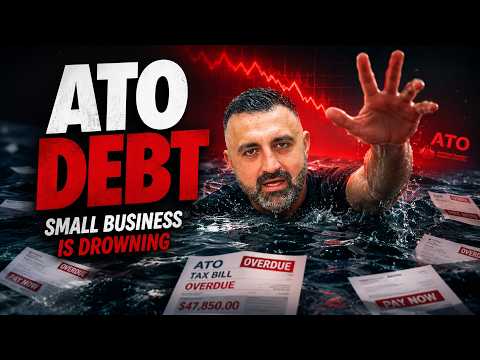
Australia’s small business sector is facing one of its biggest financial challenges in years. According to recent reports, the Australian Taxation Office (ATO) is owed close to $50 billion in collectible tax debt, with small businesses accounting for the majority of that amount.
In this episode of The CEO Breakdown, John Saade, CEO of Latitude Accountants, explored what these figures really mean for business owners. Rather than viewing unpaid tax as simply another bill, John explains that growing ATO debt is often one of the earliest warning signs that a business is experiencing serious cash flow problems.
For many businesses, ignoring tax debt today can quickly become a much larger financial problem tomorrow.
Why Australia’s ATO Debt Is Growing
Small businesses continue to face significant financial pressure from higher operating costs, rising interest rates, and weaker consumer spending.
When cash flow becomes tight, many business owners delay paying tax obligations to cover more immediate expenses such as:
- Employee wages
- Supplier invoices
- Rent and utilities
- Loan repayments
- Inventory purchases
While this may provide short-term relief, unpaid tax debt continues to accumulate and can become increasingly difficult to manage.

Why ATO Debt Is Often the First Warning Sign
One of John’s key observations is that businesses rarely fail overnight.
Instead, financial distress usually follows a predictable pattern.
It often begins with:
- Missing BAS or tax payments
- Requesting an ATO payment arrangement
- Falling behind on repayment plans
- Borrowing money to pay tax debt
- Increasing reliance on business loans or personal funds
- Running out of available cash
By the time many owners seek professional advice, the business may already be facing severe financial pressure.
Recognising these warning signs early gives business owners more options to recover.
The Hidden Impact of Poor Cash Flow
Many businesses experiencing ATO debt are not necessarily unprofitable.
Instead, they often struggle with cash flow.
Cash flow problems occur when money leaves the business faster than it comes in. Even profitable businesses can experience financial stress if they cannot pay their obligations when they fall due.
Poor cash flow can lead to:
- Late tax payments
- Supplier payment delays
- Difficulty paying employees
- Reduced working capital
- Higher borrowing costs
- Increased financial stress
Managing cash flow effectively is just as important as generating revenue.
Why Small Businesses Need Support
Small businesses play a vital role in Australia’s economy, yet they often have fewer financial resources than larger organisations.
As John highlights, prolonged economic uncertainty places additional pressure on smaller operators who are already managing:
- Rising business costs
- Inflation
- Higher borrowing expenses
- Reduced consumer confidence
- Ongoing tax obligations
Supporting small businesses through practical tax planning, cash flow management, and strategic advice can help improve long-term business resilience.
Practical Steps to Stay Ahead of ATO Debt
If your business is beginning to fall behind on tax obligations, acting early is critical.
Business owners should consider:
- Reviewing cash flow regularly
- Lodging tax returns and BAS on time
- Communicating with the ATO before debt escalates
- Monitoring business profitability
- Reducing unnecessary expenses
- Seeking professional accounting advice early
Taking action before tax debt becomes unmanageable often provides significantly more options than waiting until financial distress worsens.
Why Early Advice Can Make a Difference
Many business owners delay seeking advice because they believe their financial situation will improve on its own.
Unfortunately, unresolved tax debt often grows over time through additional liabilities and ongoing financial pressure.
Working with an experienced accountant early can help identify practical solutions, negotiate with the ATO where appropriate, and develop strategies to improve cash flow before more serious action becomes necessary.
The earlier problems are identified, the greater the opportunity to protect the future of the business.

Frequently Asked Questions About ATO Debt for Small Businesses
How much tax debt do Australian small businesses owe?
Recent reports indicate that Australian small businesses account for tens of billions of dollars in collectible ATO debt, making them the largest contributors to outstanding tax liabilities.
What happens if I can’t pay my ATO debt?
The ATO may offer payment arrangements for eligible businesses. However, ignoring tax debt can lead to increased collection activity and more serious financial consequences if left unresolved.
Is ATO debt a sign my business is failing?
Not always. However, ongoing unpaid tax obligations are often an early warning sign of cash flow problems that should be addressed as soon as possible.
Can profitable businesses still experience ATO debt?
Yes. A business can be profitable on paper while still experiencing cash flow shortages that make it difficult to meet tax obligations when they fall due.
When should I seek professional advice about tax debt?
Business owners should seek advice as soon as they begin experiencing difficulty meeting tax obligations. Early intervention usually provides more options than waiting until the debt becomes unmanageable.

Need Professional Tax and Business Advice?
If your business is experiencing cash flow pressure, growing ATO debt or uncertainty about your financial position, obtaining professional advice early can help you understand your options and develop a practical plan moving forward.
At Latitude Accountants, we help business owners manage ATO obligations, improve cash flow, navigate tax issues and build stronger financial foundations for long-term success.
📍 Sydney Olympic Park | Marrickville | Melbourne | Loxton
📞 1300 706 597
📧 info@latitudeaccountants.com.au
Disclaimer
This article is intended for general information only and should not be considered taxation, financial, or legal advice. Every business is different. Before making decisions regarding tax debt or business restructuring, seek professional advice tailored to your individual circumstances.
Free Consultation
Got questions after reading this?
Book a call with our team. We'll walk through your situation and help you understand your options — no obligation.
Book Your Free Consultation*Free for all ABN holders · Limited spots available
Call 1300 706 597What We Do
Chartered accountants who work proactively
Not just at tax time — all year round.
Before You Make a Move
Six times you should call us first
Most costly mistakes happen before the paperwork is signed.
Buying a vehicle
Structure, FBT, and depreciation all need to be right before you sign.
Taking money out
Wages, dividends, or drawings each carry different tax consequences.
Buying property
Who buys it changes your GST, land tax, and CGT position entirely.
Hiring your first employee
Payroll, super, and STP obligations kick in from day one.
Buying or selling a business
You can inherit someone else's tax debt. Know what you're buying first.
Taking on a partner
Equity splits need proper structure upfront. A handshake deal costs more to unwind.
Get In Touch
Stop Guessing. Start Making Better Decisions.
Get clarity on your numbers, your structure, and your next move. Speak directly with our team and walk away knowing exactly where you stand.