
Guides & Resources
What AI Disruption Could Mean for Australian Workers and Businesses in 2026
Deloitte warns AI could disrupt 82 jobs in Australia.
Learn what it means for workers, employers, payroll, and business planning.


Artificial intelligence is increasingly reshaping how Australian businesses operate, with major consulting forecasts warning that 2026 could mark a turning point for the labour market.
Recent Deloitte analysis suggests that AI adoption may significantly disrupt a wide range of occupations across Australia, particularly roles involving routine, repetitive, or data-heavy tasks.
While this shift is expected to improve productivity and create new types of jobs, it may also slow job growth in certain sectors and reshape how businesses structure their workforce.
For Australian employers, employees, contractors, and business owners, this raises important questions around workforce planning, payroll costs, compliance obligations, and long-term business strategy.
Although the full impact is still evolving, the direction of change is already influencing hiring decisions, training needs, and investment in technology.
What Happened?
A recent Deloitte report has forecast that 2026 may become a major “year of AI disruption” in the Australian labour market.
The report identified:
- Around 82 occupations are potentially exposed to AI automation or augmentation
- Slower employment growth in affected job categories
- Reduced demand for certain entry-level administrative roles
- Increased demand for technical, trade, and AI-assisted roles
Roles identified as most exposed include:
- Administrative and clerical support roles
- Accounting and bookkeeping support roles
- Legal clerks and paralegals
- HR and recruitment support roles
- Retail and customer service roles
- Logistics and scheduling roles
- Graphic design and content production roles
- Telemarketing and sales support roles
At the same time, Deloitte notes that many roles will not disappear entirely but will instead be reshaped, with AI handling repetitive tasks while humans focus on higher-level decision-making.
The report also highlights that overall job growth in affected sectors may slow over the next few years, even if employment does not decline immediately.

Why Does This Matter?
AI disruption affects more than just employment trends — it directly influences business operations and financial decision-making.
For individuals, it may affect:
- Job security and role stability
- Skill requirements
- Income growth potential
- Career transitions
For businesses, it may affect:
- Staffing costs and workforce structure
- Recruitment strategies
- Productivity expectations
- Training and upskilling requirements
For accountants and advisors, it raises considerations around:
- Payroll planning and cash flow
- Contractor vs employee classification
- Superannuation obligations
- Business restructuring
- Technology investment deductions
Even when jobs are not replaced, AI can significantly change how work is performed, which may impact cost structures and compliance requirements.
Why Australian Businesses Should Pay Attention
Much of the public discussion around AI focuses on job losses.
However, from a business and accounting perspective, the more important issue is the transformation of work rather than the elimination.
Businesses may need to rethink:
- How teams are structured
- Which tasks are automated
- How productivity is measured
- What roles are required long-term
For many small and medium businesses, labour is one of the highest operating costs. Even small efficiency changes from AI adoption can significantly impact:
- Profit margins
- Cash flow forecasting
- Tax instalment planning
- Business valuation outcomes
Who Should Pay Attention?
Employees in Office-Based Roles
Workers in data entry, admin, support, and routine processing roles may experience the most task automation.
Small Business Owners
Businesses may need to review staffing models and consider AI tools to remain competitive.
Employers and HR Managers
Hiring strategies may shift toward fewer entry-level roles and more specialised or hybrid roles.
Contractors and Freelancers
Independent workers in writing, design, admin, and analysis may face pricing pressure and competition from AI tools.
Accounting and Finance Professionals
Bookkeeping and reporting functions may become increasingly automated, changing service delivery expectations.
What Are the Tax and Business Implications?
1. Payroll Structure Changes
AI adoption may influence staffing decisions, which can affect:
- PAYG withholding obligations
- Superannuation contributions
- Contractor classification rules
- Termination and redundancy costs
2. Increased Use of Contractors and Technology
Businesses may shift toward:
- AI software subscriptions
- Outsourced services
- Freelancers instead of employees
This can impact:
- GST treatment of expenses
- Deductibility of costs
- Payroll tax obligations (where applicable by state)
3. Investment in AI and Software
Businesses investing in AI tools may need to consider:
- Whether expenses are immediately deductible
- Whether software is treated as capital or revenue expenditure
- Timing of deductions and cash flow impact
4. Workforce Restructuring and Compliance
If roles are reduced or changed, employers must still comply with:
- Fair Work redundancy requirements
- Employment contract obligations
- Final pay and leave entitlements
- Superannuation final contributions
5. Productivity and Tax Impact
AI-driven productivity improvements may:
- Increase taxable profits
- Change BAS reporting patterns
- Influence tax instalments
- Affect business valuation over time
What Should Businesses Do Now?
Review Workforce Structure
Assess which tasks can be automated and which require human input.
Update Financial Forecasts
Revisit cash flow models to reflect possible staffing and productivity changes.
Invest in Upskilling
Employees may need training to work alongside AI tools effectively.
Review Contractor vs Employee Arrangements
Ensure classification remains compliant under current Australian tax rules.
Plan for Technology Adoption
Consider how AI tools fit into long-term business strategy and budgeting.
Common Mistakes to Avoid
Assuming AI Will Immediately Replace All Jobs
Most roles will evolve, not disappear overnight.
Ignoring Employment Obligations
Redundancy and Fair Work requirements still apply regardless of technology changes.
Failing to Track Software Costs Properly
AI tools must be correctly categorised for tax purposes.
Not Updating Payroll Assumptions
Changes in staffing can significantly affect tax and cash flow planning.
Reacting Based on Headlines
Actual impact varies widely by industry, role, and business model.

Frequently Asked Questions
1. Will AI eliminate most jobs in Australia?
No. AI is expected to automate tasks rather than fully replace most roles.
2. Which jobs are most exposed to AI?
Administrative, clerical, data processing, and routine support roles.
3. Will accountants be replaced by AI?
No. AI will assist with tasks, but professional judgment and advisory work remain essential.
4. How does AI affect business tax planning?
It may change payroll costs, deductions, and software-related expenses.
5. Are AI tools tax-deductible?
Yes, if used for business purposes and properly documented.
6. Will AI reduce business costs?
Potentially, depending on implementation and industry.
7. Do employers still need to pay super with AI changes?
Yes, super applies while employees remain engaged.
8. Can AI replace contractors?
Some tasks may be replaced, but others will shift to higher-value work.
9. Should businesses prepare now?
Yes. Early planning helps manage cost, compliance, and transition risks.
10. Does AI have the same impact across all industries?
No. Impact varies significantly depending on job type and industry.
Final Thoughts
AI disruption is already reshaping the Australian labour market, but its impact is more nuanced than simple predictions of job loss.
While some roles will be reduced or transformed, others will be enhanced, and new opportunities will emerge as businesses adapt to technology.
For Australian businesses, the key challenge is not just understanding AI — but integrating it into workforce planning, tax strategy, and long-term financial decision-making.
Businesses that prepare early will be better positioned to manage costs, improve productivity, and remain competitive.
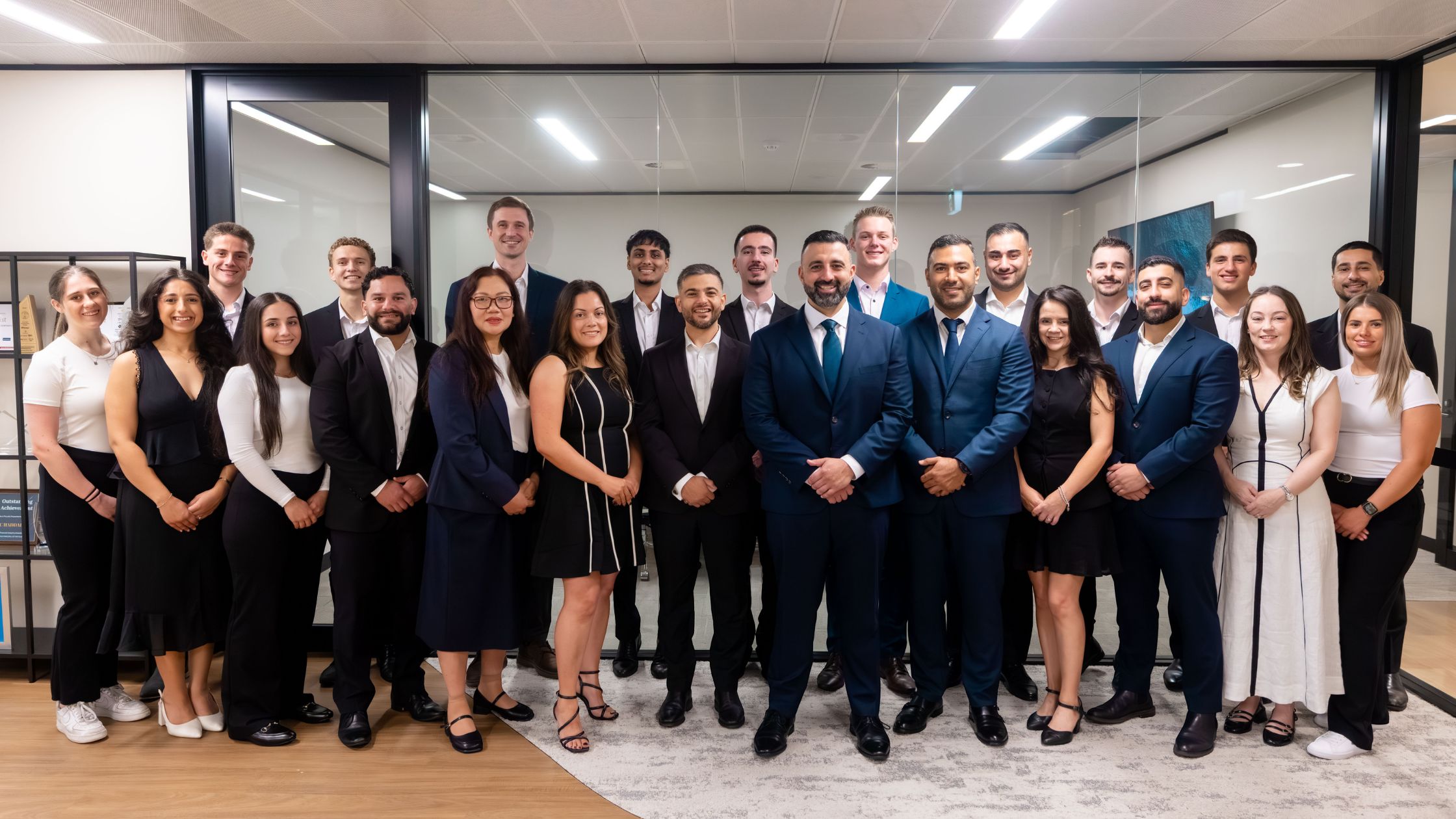
Need Help Understanding AI’s Impact on Your Business?
If you are unsure how AI-driven workforce changes affect your business, tax position, or payroll structure, speak with Latitude Accountants.
Our team can help you understand your obligations, optimise your structure, and plan with confidence.
📍 Sydney Olympic Park | Marrickville | Melbourne | Loxton
📞 1300 706 597
📧 info@latitudeaccountants.com.au
Disclaimer
This article is general information only and does not constitute tax, legal, financial, or business advice. Individual circumstances vary, and professional advice should be obtained before making decisions.
Free Consultation
Got questions after reading this?
Book a call with our team. We'll walk through your situation and help you understand your options — no obligation.
Book Your Free Consultation*Free for all ABN holders · Limited spots available
Call 1300 706 597What We Do
Chartered accountants who work proactively
Not just at tax time — all year round.
Before You Make a Move
Six times you should call us first
Most costly mistakes happen before the paperwork is signed.
Buying a vehicle
Structure, FBT, and depreciation all need to be right before you sign.
Taking money out
Wages, dividends, or drawings each carry different tax consequences.
Buying property
Who buys it changes your GST, land tax, and CGT position entirely.
Hiring your first employee
Payroll, super, and STP obligations kick in from day one.
Buying or selling a business
You can inherit someone else's tax debt. Know what you're buying first.
Taking on a partner
Equity splits need proper structure upfront. A handshake deal costs more to unwind.
Get In Touch
Stop Guessing. Start Making Better Decisions.
Get clarity on your numbers, your structure, and your next move. Speak directly with our team and walk away knowing exactly where you stand.