
Guides & Resources
GST in Australia: Everything Small Business Owners Need to Know
Learn how GST works in Australia,
When to register, how to lodge BAS, and avoid costly mistakes with this simple guide for small business owners.
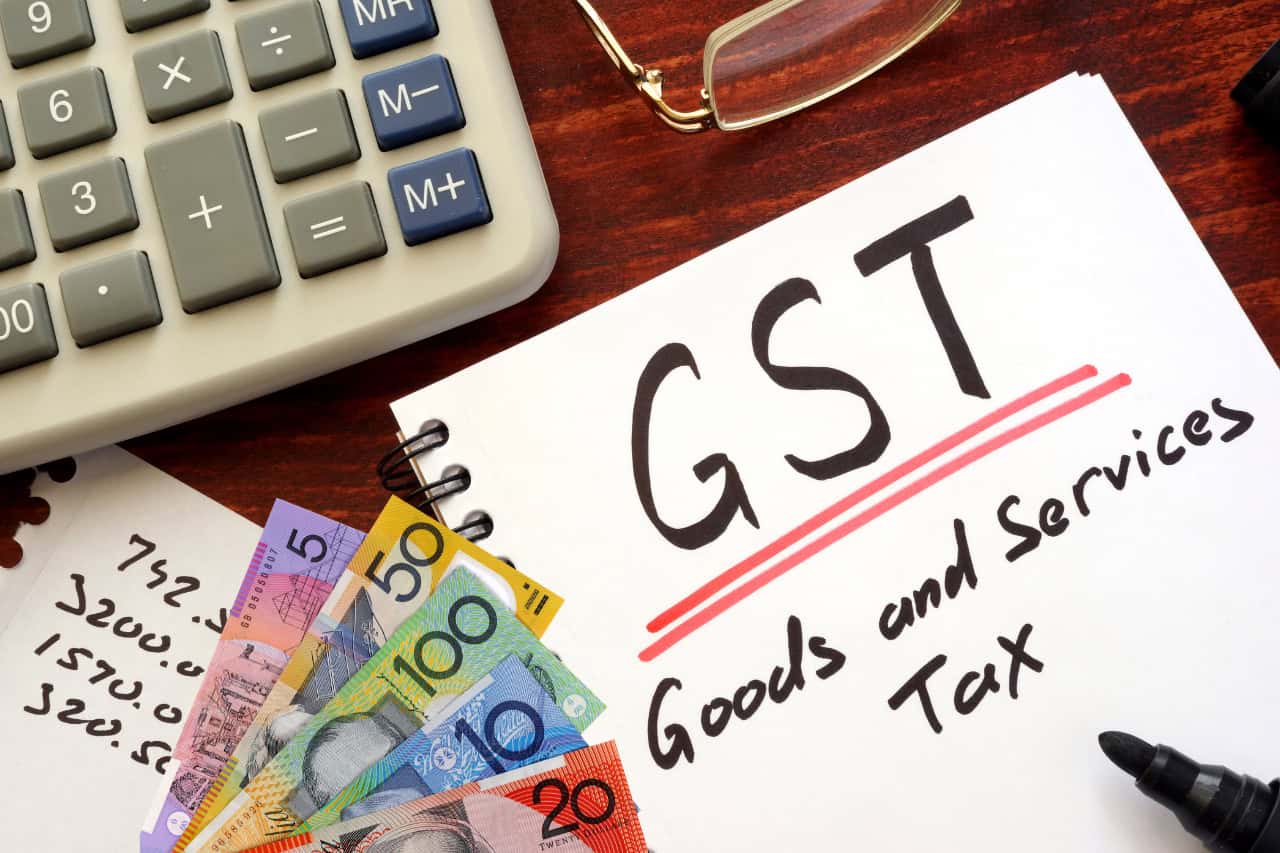
If you’re running a business in Australia, understanding GST isn’t optional — it’s essential.
Whether you’re just starting out or already trading, Goods and Services Tax (GST) affects your pricing, cash flow, reporting, and compliance. Get it right, and your business runs smoothly. Get it wrong, and you could face penalties, cash flow issues, or missed opportunities.
This guide breaks down GST in plain English — no jargon, no confusion — just clear, practical advice to help you stay compliant and make smarter decisions.
What Is GST in Australia?
GST (Goods and Services Tax) is a 10% tax applied to most goods and services sold in Australia.
It was introduced in 2000 and is administered by the Australian Taxation Office.
If your business is registered for GST, you:
- Charge GST on your sales (this is called GST collected)
- Claim GST credits on your business purchases (this is called input tax credits)
At the end of each reporting period, you pay the difference to the ATO — or receive a refund.

Do You Need to Register for GST?
The basic rule:
You must register for GST if:
- Your annual turnover is $75,000 or more (or $150,000 for non-profits)
You can also register voluntarily if:
- Your turnover is below $75,000
- You want to claim GST credits on expenses
- You want to appear more established to clients
Important:
Once registered, you must:
- Charge GST on applicable sales
- Lodge Business Activity Statements (BAS)
- Keep proper records
What Counts as GST Turnover?
GST turnover includes:
- Total sales (excluding GST)
- Income from business activities
It does not include:
- GST itself
- Sales of capital assets (like equipment you sell off)
- Some input-taxed sales (like financial services)
How Does GST Work in Practice?
Here’s a simple example:
- You sell a service for $1,100 (including GST)
- GST component = $100
- You buy supplies for $550 (including GST)
- GST component = $50
What happens next?
- You collected: $100 GST
- You paid: $50 GST
- You owe the ATO: $50
What Sales Are Subject to GST?
Most business sales are:
- Taxable (10% GST applies)
Some are GST-free:
- Basic food
- Medical services
- Education courses
- Exports
Some are input taxed (no GST charged, but no credits claimed):
- Residential rent
- Financial services
What Is a BAS (Business Activity Statement)?
A BAS is how you report GST to the ATO.
Depending on your business, you may lodge:
- Quarterly (most common)
- Monthly (larger businesses)
- Annually (some small businesses)
Your BAS includes:
- GST collected
- GST credits
- PAYG withholding (if applicable)
- PAYG instalments
How to Calculate GST Correctly
Quick formula:
- GST = Total price ÷ 11
- Price + GST = Price × 1.1
Example:
- $110 total = $10 GST
- $1,100 total = $100 GST
Claiming GST Credits (Input Tax Credits)
You can claim GST credits if:
- You’re registered for GST
- The purchase is for business use
- You have a valid tax invoice
Common claimable expenses:
- Office supplies
- Software subscriptions
- Equipment
- Professional services
You cannot claim GST on:
- Private expenses
- Input-taxed purchases
- Purchases without proper documentation
GST and Pricing: Should You Include It?
If your customers are:
- Businesses (B2B): Prices are often shown excluding GST
- Consumers (B2C): Prices must include GST
Always be clear in your pricing to avoid confusion.
Cash vs Accrual Accounting for GST
When registering for GST, you choose a reporting method:
Cash basis:
- Report GST when money is received or paid
- Simpler, better for small businesses
Accrual basis:
- Report GST when invoices are issued or received
- More accurate for larger or growing businesses
GST and International Transactions
Exports:
- Usually GST-free
Imports:
- May be subject to GST at the border
Digital products/services:
- Special rules apply depending on location and customers
This is an area where professional advice is critical.
Common GST Mistakes to Avoid
- Not registering when required
- Forgetting to lodge BAS on time
- Claiming GST on personal expenses
- Poor record keeping
- Misclassifying GST-free vs taxable sales
- Ignoring cash flow impact
These mistakes can lead to penalties and unnecessary stress.
Record Keeping Requirements
The ATO requires you to keep records for at least 5 years, including:
- Tax invoices
- Receipts
- Bank statements
- Accounting records
Using cloud software (like Xero) can make this much easier.
GST and Different States in Australia
GST is a federal tax, meaning:
- The rules are consistent across all states (NSW, VIC, SA, etc.)
However:
- Some state-based taxes (like payroll tax) differ
- Business structures and obligations may vary slightly
So while GST itself is consistent, your overall tax strategy may not be.

Frequently Asked Questions
What is GST in simple terms?
GST is a 10% tax added to most goods and services sold in Australia.
When do I need to register for GST?
You must register when your business turnover reaches $75,000.
Can I register for GST voluntarily?
Yes, even if your turnover is below $75,000.
How often do I lodge BAS?
Usually quarterly, but some businesses lodge monthly or annually.
Can I claim GST on all business expenses?
No — only on eligible business purchases with valid tax invoices.
What happens if I don’t register for GST?
You may face penalties and be required to backpay GST.
Do I include GST in my prices?
Yes for consumers. Businesses may show prices excluding GST.
What is the GST rate in Australia?
The GST rate is 10%.
What is a tax invoice?
A document that shows GST has been charged and allows you to claim credits.
Is GST the same across Australia?
Yes, GST rules are federal and apply nationwide.
Why Getting GST Right Matters
GST isn’t just a compliance task — it directly affects:
- Your cash flow
- Your pricing strategy
- Your profitability
- Your risk exposure
Handled properly, GST becomes routine. Handled poorly, it becomes a constant headache.
The Latitude Way: GST Done Right
At Latitude Accountants, GST isn’t treated as a once-a-quarter obligation.
It’s part of a bigger financial strategy.
We help business owners:
- Stay compliant with the ATO
- Lodge accurate BAS on time
- Maximise GST credits
- Avoid costly mistakes
- Improve cash flow visibility
Most importantly, we make GST simple — so you can focus on growing your business.

Ready to Take the Stress Out of GST?
Understanding GST is essential for running a compliant and successful business in Australia — but managing it alone can quickly become overwhelming.
Whether you’re registering for the first time, lodging your BAS, or trying to stay on top of your obligations, the right support makes all the difference.
At Latitude Accountants, we help Australian business owners stay compliant, organised, and confident with their GST and overall financial management — The Latitude Way.
Contact Latitude Accountants today:
📍 Sydney Olympic Park | Marrickville | Melbourne | Loxton
📞 Phone: 1300 706 597
📧 Email: info@latitudeaccountants.com.au
Disclaimer
This article is for general information only and does not constitute tax or financial advice. Always seek personalised advice from a qualified accountant before making financial decisions.
Free Consultation
Got questions after reading this?
Book a call with our team. We'll walk through your situation and help you understand your options — no obligation.
Book Your Free Consultation*Free for all ABN holders · Limited spots available
Call 1300 706 597What We Do
Chartered accountants who work proactively
Not just at tax time — all year round.
Before You Make a Move
Six times you should call us first
Most costly mistakes happen before the paperwork is signed.
Buying a vehicle
Structure, FBT, and depreciation all need to be right before you sign.
Taking money out
Wages, dividends, or drawings each carry different tax consequences.
Buying property
Who buys it changes your GST, land tax, and CGT position entirely.
Hiring your first employee
Payroll, super, and STP obligations kick in from day one.
Buying or selling a business
You can inherit someone else's tax debt. Know what you're buying first.
Taking on a partner
Equity splits need proper structure upfront. A handshake deal costs more to unwind.
Get In Touch
Stop Guessing. Start Making Better Decisions.
Get clarity on your numbers, your structure, and your next move. Speak directly with our team and walk away knowing exactly where you stand.