
Guides & Resources
Can I Claim a Laptop on Tax in Australia?
Maximise 2026 tax savings.
Learn who can claim laptops, depreciation vs instant write-off rules, and record-keeping tips. Expert Chartered accounting guidance.
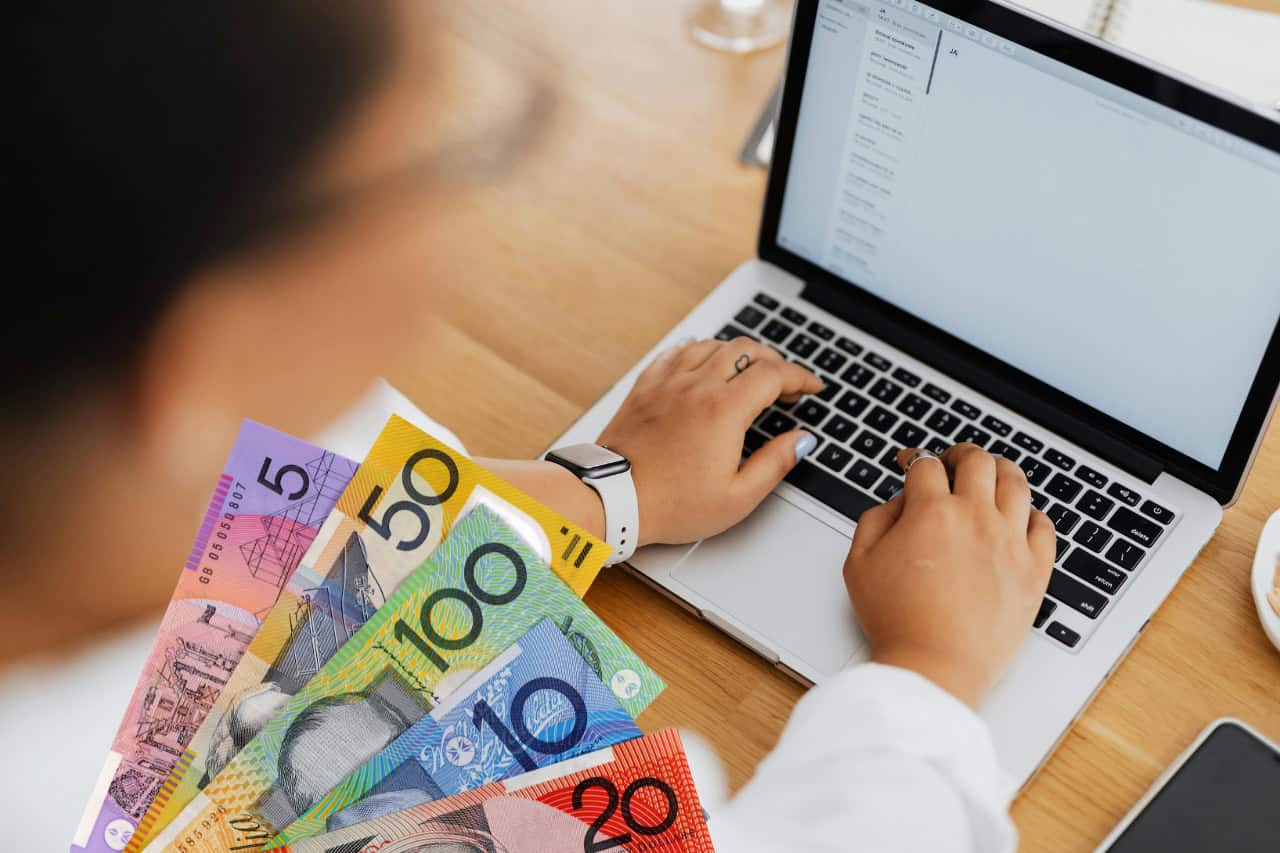

Buying a laptop isn’t cheap — especially if you’re working remotely, running a small business, freelancing, or juggling part-time study. It’s a tool many of us can’t go without. But come tax time, the big question is: can you claim it on taxes?
The answer is yes — but with conditions. In Australia, the Australian Taxation Office (ATO) allows you to claim a deduction for a laptop if it’s used to earn income. This includes work tasks, business operations, or studies that directly relate to your current job. However, if the laptop is used for personal reasons as well — which is often the case — then you’ll only be able to claim a percentage of the expense.
Let’s walk through who can claim a laptop, how it works, and what you need to stay compliant.
Claiming a Laptop as an Employee
If you’re an employee and your job requires you to use your own personal laptop — for tasks like checking emails, working on reports, or attending virtual meetings — you may be able to claim a portion of the laptop’s cost. The catch is that your employer must not have provided the laptop or reimbursed you for it.
The ATO expects employees to calculate how much of their laptop use is work-related. For example, if you determine that 60% of your usage is for work, then you can claim 60% of the laptop’s cost or depreciation. You’ll need to keep a usage diary for a representative four-week period to back up your claim.

Claiming a Laptop for Study
You might also be eligible to claim a laptop if you’re studying — but only under certain circumstances. The ATO allows deductions for self-education expenses if the course directly relates to your current employment and is likely to improve your income-earning ability.
So, if you’re a marketing coordinator doing a short course in digital advertising, you could claim your laptop as a self-education expense. But if you’re studying a completely unrelated degree while working in hospitality, the laptop won’t be deductible.
The same work-use percentage rule applies here too — and keeping a record of how the laptop is used for study is essential.
Claiming a Laptop as a Sole Trader or Business Owner
For sole traders and small business owners, the rules are a little more generous. If the laptop is used solely for business purposes — whether it’s bookkeeping, client management, or design work — the cost can often be claimed in full. Depending on the value of the laptop and when it was purchased, you may also be eligible for an immediate deduction under the instant asset write-off (subject to the ATO’s current thresholds and eligibility criteria).
If the laptop is used for both business and personal activities, you’ll need to apportion the claim accordingly. A simple usage log or activity diary is usually enough to prove the business-use percentage.
Depreciation vs. Instant Deduction
If your laptop costs $300 or less (including GST), you can generally claim the full amount as an immediate deduction in the same year you bought it. But for laptops costing more than $300, the ATO requires the expense to be spread out over the effective life of the asset — typically around two to three years.
For businesses and sole traders, the instant asset write-off might allow you to bypass depreciation rules and claim the full cost upfront, depending on your business turnover and when the purchase was made. This can be a huge cash flow advantage — but eligibility criteria apply, and thresholds change regularly.

What About Accessories and Software?
The laptop itself isn’t the only thing you can potentially deduct. If you purchase work-related accessories — such as an external monitor, a wireless keyboard, a laptop bag, or even relevant software subscriptions — these may also be tax-deductible. Again, the golden rule is that the expense must relate to your income-producing activities.
You’ll also need to apply the same apportionment rule if those tools are used for both work and personal reasons.
What Records Do I Need?
The ATO takes documentation seriously. To claim your laptop, you’ll need a valid tax invoice or receipt showing the date, supplier, amount paid, and a clear description of the item. If you’re apportioning the cost between work and personal use, it’s critical to keep a usage diary or log to show how you calculated your percentage.
If you’re claiming self-education use, you should also keep enrolment details, course outlines, and evidence of how the course relates to your current job. For sole traders and business owners, keeping business records and tech receipts digitally is a good habit that will serve you well during tax time — and in the event of an audit.
Can I Claim a Laptop My Employer Paid For?
No. If your employer reimbursed you for the cost of your laptop, or provided it as part of your employment package, you can’t claim it — because it wasn’t an out-of-pocket expense.
You also can’t claim private purchases that happen to be used at work, like a gaming laptop that doubles as your work machine unless you can clearly separate and justify the business use portion.

Final Thoughts
So, can you claim a laptop on tax? Yes — if you paid for it yourself, use it to earn income, and keep accurate records to justify the deduction. The more business-focused your use is, the more you can typically claim.
Whether you’re an employee, a student, or a small business owner, it pays to do it properly. Making incorrect or exaggerated claims can lead to ATO scrutiny — and nobody wants that.
Speak to Latitude Accountants
Not sure how much of your laptop you can claim? Don’t leave it to guesswork. At Latitude Accountants, we work with individuals, sole traders, and growing businesses to ensure your tech-related claims are ATO-compliant, accurate, and maximised.
Whether you need support with depreciation rules, instant asset write-offs, or self-education claims, we’ve got the tools and expertise to help.
Contact Latitude Accountants today to take the stress out of tax time — and make smarter deductions that work for you.
📞 Contact Latitude Accountants
📧 info@latitudeaccountants.com.au
🌐 www.latitudeaccountants.com.au
Disclaimer
This article is general information only and does not constitute tax or financial advice. Always consult a registered tax professional for personalised guidance.
Free Consultation
Got questions after reading this?
Book a call with our team. We'll walk through your situation and help you understand your options — no obligation.
Book Your Free Consultation*Free for all ABN holders · Limited spots available
Call 1300 706 597What We Do
Chartered accountants who work proactively
Not just at tax time — all year round.
Before You Make a Move
Six times you should call us first
Most costly mistakes happen before the paperwork is signed.
Buying a vehicle
Structure, FBT, and depreciation all need to be right before you sign.
Taking money out
Wages, dividends, or drawings each carry different tax consequences.
Buying property
Who buys it changes your GST, land tax, and CGT position entirely.
Hiring your first employee
Payroll, super, and STP obligations kick in from day one.
Buying or selling a business
You can inherit someone else's tax debt. Know what you're buying first.
Taking on a partner
Equity splits need proper structure upfront. A handshake deal costs more to unwind.
Get In Touch
Stop Guessing. Start Making Better Decisions.
Get clarity on your numbers, your structure, and your next move. Speak directly with our team and walk away knowing exactly where you stand.