
Guides & Resources
7 Warning Signs Your Business Is Heading Towards Insolvency
Discover 7 warning signs your business may be heading towards insolvency
Learn how to protect cash flow before financial problems worsen.

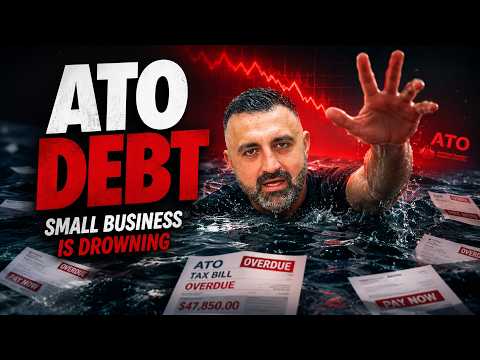
Business insolvency rarely happens overnight.
In most cases, businesses experience months—or even years—of financial pressure before reaching the point of administration or liquidation. Cash flow tightens, debts increase, profitability declines, and owners often continue hoping conditions will improve.
During this episode of The CEO Breakdown, John Saade, CEO of Latitude Accountants, discussed Australia’s growing business insolvency problem, highlighting the increasing number of businesses struggling with ATO debt, rising operating costs and weakening cash flow. His key message was simple: the earlier business owners recognise financial warning signs, the more options they have to recover.
Understanding these warning signs can help business owners take action before financial difficulties become irreversible.
Why Businesses Become Insolvent
Insolvency occurs when a business can no longer pay its debts as they fall due.
While economic conditions such as inflation, higher interest rates, and slowing consumer spending contribute to financial pressure, insolvency is often caused by a combination of several issues rather than one major event.
These may include:
- Poor cash flow management
- Declining profitability
- Growing tax liabilities
- Excessive borrowing
- Falling sales
- Increasing operating costs
Recognising problems early allows businesses to restructure before they become unmanageable.

Warning Sign #1: Cash Flow Is Constantly Under Pressure
Many businesses continue generating revenue while struggling to pay bills.
If your business regularly experiences cash shortages despite healthy sales, it may indicate that cash flow is no longer supporting day-to-day operations.
Common indicators include:
- Delaying supplier payments
- Waiting for customer payments before paying expenses
- Regularly using overdrafts
- Difficulty meeting payroll
Cash flow problems are often one of the earliest signs of financial distress.
Warning Sign #2: Your ATO Debt Continues to Grow
One of the biggest warning signs discussed by John is mounting ATO debt.
Many businesses fall behind on PAYG withholding, GST, or income tax obligations during difficult trading periods. While payment arrangements can provide temporary relief, increasing tax debt usually indicates deeper cash flow issues.
Ignoring ATO obligations can lead to:
- Penalties and interest charges
- Debt recovery action
- Director penalty notices
- Greater financial pressure
Addressing tax debt early generally provides more options than waiting until recovery action begins.
Warning Sign #3: You’re Relying on Payment Plans to Stay Afloat
Payment arrangements can be useful when businesses experience temporary cash flow issues.
However, if your business continually relies on payment plans with the ATO, suppliers or lenders simply to meet existing obligations, it may suggest underlying financial problems remain unresolved.
Payment plans should support recovery—not become a permanent way of operating.
Warning Sign #4: Profit Margins Continue to Decline
Revenue alone doesn’t guarantee financial health.
Businesses can continue growing sales while becoming less profitable if operating costs increase faster than income.
Watch for signs such as:
- Shrinking gross profit margins
- Rising wages and supplier costs
- Increasing overhead expenses
- Reduced net profit
Without sustainable profitability, long-term business survival becomes increasingly difficult.
Warning Sign #5: Borrowing Is Increasing Just to Cover Everyday Expenses
Using finance to invest in growth can be positive.
Using borrowed funds to pay wages, rent or supplier invoices is a different situation.
If your business continually relies on loans or credit facilities to fund daily operations, it may indicate that operating cash flow is no longer sufficient.
Increasing debt without improving profitability often creates additional financial pressure.
Warning Sign #6: Suppliers Are Demanding Payment Earlier
Supplier relationships often reflect the financial health of a business.
If suppliers begin:
- Shortening payment terms
- Requesting upfront payment
- Refusing additional credit
- Chasing overdue invoices more aggressively
It may indicate growing concerns about your business’s ability to pay.
Maintaining strong supplier relationships becomes increasingly important during periods of financial stress.
Warning Sign #7: You No Longer Have Accurate Financial Visibility
Many struggling businesses stop reviewing their financial reports regularly.
Without reliable financial information, business owners cannot identify problems early enough to respond effectively.
Every business should regularly monitor:
- Cash flow forecasts
- Profit and loss reports
- Balance sheets
- ATO obligations
- Accounts receivable
- Accounts payable
Good financial reporting allows business owners to make informed decisions before problems escalate.
What Should You Do If You Recognise These Warning Signs?
Experiencing one warning sign doesn’t automatically mean your business is insolvent.
However, several warning signs occurring together should never be ignored.
Taking action early may involve:
- Improving cash flow forecasting
- Reviewing pricing and profitability
- Reducing unnecessary expenses
- Renegotiating supplier terms
- Seeking professional accounting advice
- Speaking with lenders before problems worsen
- Developing a formal business recovery plan
The earlier financial issues are identified, the greater the opportunity to protect the business.
Prevention Is Always Better Than Insolvency
Many successful businesses experience periods of financial pressure.
The difference often lies in how quickly business owners recognise problems and respond.
Rather than waiting until creditors take action or debts become overwhelming, proactive financial management can help businesses improve cash flow, strengthen profitability, and remain financially resilient through changing economic conditions.

Frequently Asked Questions About Business Insolvency Warning Signs
What is the first warning sign that a business may be heading towards insolvency?
Persistent cash flow problems are often the earliest indicator. If your business struggles to pay suppliers, wages, or tax obligations despite generating revenue, it may signal deeper financial issues.
Does having ATO debt mean my business is insolvent?
Not necessarily. Many businesses successfully manage temporary tax debt. However, continually increasing ATO liabilities combined with poor cash flow can become a significant warning sign if left unresolved.
Can a profitable business still become insolvent?
Yes. Insolvency is based on cash flow rather than profit. A business may report accounting profits but still fail if it cannot meet its financial obligations when they fall due.
What should I do if my business is showing several warning signs?
Seek professional advice as early as possible. Reviewing cash flow, profitability, debt levels, and financial reporting can help identify practical solutions before the situation worsens.
How can businesses reduce the risk of insolvency?
Regular financial reporting, strong cash flow management, maintaining adequate working capital, controlling expenses, and addressing tax debts early all help reduce the likelihood of insolvency.

Need Professional Business Recovery Advice?
If your business is experiencing cash flow challenges, increasing ATO debt or declining profitability, seeking professional advice early can make a significant difference. At Latitude Accountants, we help business owners understand their financial position, improve cash flow, manage tax obligations, and develop practical strategies to strengthen long-term business performance.
📍 Sydney Olympic Park | Marrickville | Melbourne | Loxton
📞 1300 706 597
📧 info@latitudeaccountants.com.au
Disclaimer
This article is intended for general information only and should not be considered accounting, taxation, legal or financial advice. Every business faces different circumstances. Before making financial decisions or responding to insolvency risks, seek professional advice tailored to your individual situation.
Free Consultation
Got questions after reading this?
Book a call with our team. We'll walk through your situation and help you understand your options — no obligation.
Book Your Free Consultation*Free for all ABN holders · Limited spots available
Call 1300 706 597What We Do
Chartered accountants who work proactively
Not just at tax time — all year round.
Before You Make a Move
Six times you should call us first
Most costly mistakes happen before the paperwork is signed.
Buying a vehicle
Structure, FBT, and depreciation all need to be right before you sign.
Taking money out
Wages, dividends, or drawings each carry different tax consequences.
Buying property
Who buys it changes your GST, land tax, and CGT position entirely.
Hiring your first employee
Payroll, super, and STP obligations kick in from day one.
Buying or selling a business
You can inherit someone else's tax debt. Know what you're buying first.
Taking on a partner
Equity splits need proper structure upfront. A handshake deal costs more to unwind.
Get In Touch
Stop Guessing. Start Making Better Decisions.
Get clarity on your numbers, your structure, and your next move. Speak directly with our team and walk away knowing exactly where you stand.